Kategorie: ‘Allgemein’
Teilnahme am „Fast Track Bachelor Admission“ Programm (FTBA)
 Im Wintersemester 2022/23 wird sich die Fakultät Elektrotechnik und Informationstechnik das erste Mal am „Fast Track Bachelor Admission“ Programm beteiligen. Dieses Programm ermöglicht besonders begabten Schülerinnen und Schülern aus dem Ausland einen direkten Einstieg ins Bachelorstudium.
Was ist das „Fast Track Bachelor Admission“ Programm?
Normalerweise müssen Schülerinnen und Schüler aus dem Ausland ein Studienkolleg in Deutschland besuchen oder zwei Semester in ihrer Heimat studieren, um in Deutschland ein Studium aufnehmen zu können. Durch das Betreuungsprogramm Fast Track Bachelor Admission-Programm (FTBA) ermöglicht die RWTH Aachen University besonders begabten Schülerinnen und Schülern einen direkten Einstieg in das Bachelor-Studium ohne die sonst üblichen Bedingungen.
Das FTBA-Programm wird für die Studiengänge Elektrotechnik und Informationstechnik, Computer Engineering, Maschinenbau, Wirtschaftsingenieurwesen Fachrichtung Maschinenbau, Computational Engineering Science sowie Informatik angeboten.
Was macht das FTBA-Betreuungsprogramm so besonders?
Ausgewählte Teilnehmerinnen und Teilnehmer profitieren von einem speziell für die Zielgruppe zugeschnittenem Betreuungsangebot. Dies umfasst unter anderem eine enge persönliche Betreuung durch das FTBA-Team vor der Ankunft und im gesamten Studium an der RWTH. Auch fachlich und sprachlich werden Studierenden durch spezifische Tutorien unterstützt.
Sie würden die kommenden FTBA-Studierenden gerne als Fach-Tutorin oder -Tutor unterstützen?
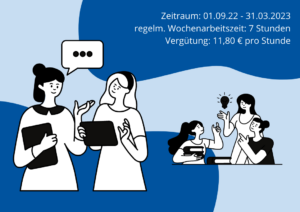
Für das Wintersemester 2022/23 werden noch zwei Studentische Hilfskräfte gesucht, die als Tutorinnen oder Tutoren den internationalen FTBA-Studierenden den Start an der RWTH erleichtern und sie bei der Vor- und Nachbereitung von Aufgaben sowie bei allen weiteren Fragen rund um das Studium unterstützen.
Bewerben Sie sich gerne bis zum 30.06.2022 bei der Koordinatorin des FTBA-Programms Frau Azadeh Hartmann-Alampour.
Weiterführende Informationen und Voraussetzungen finden Sie in der Stellenausschreibung.
Aachener VDE Preis 2022
Bachelor-Studierende der „Elektrotechnik, Informationstechnik und Technische Informatik“ oder „Wirtschaftsingenieurwesen FR Elektrische Energietechnik“ mit sehr guten Leistungen im Studium in Verbindung mit außerordentlichem Engagement in hochschulbezogenen Organisationen können sich noch bis zum 15. Mai 2022 um den Aachener VDE Preis 2022 bewerben und 500 € Preisgeld gewinnen.
Alle weiteren Informationen und Voraussetzungen finden Sie in folgender PDF-Datei:
eCHECKUP-Alkohol Präventionstool
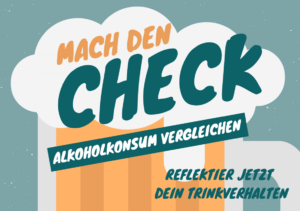 Das Studentische Gesundheitsmanagement bietet den Studierenden der RWTH Aachen seit Kurzem die kostenfreie Nutzung des eCHECKUP TO GO-Alkohol Präventionstools an.
Durch die anonyme Beantwortung der Fragen des Tools können die Studierenden ihr Trinkverhalten reflektieren und den eigenen Alkoholkonsum mit dem der Kommilitonen vergleichen.
Währenddessen erhalten die Studierenden Informationen über Risiken und Auswirkungen von Alkoholkonsum und eine persönliche Risikoauswertung für eine mögliche Abhängigkeit oder problematische Konsummengen. Es werden unter anderem alternative Handlungsmethoden und Zielsetzungen aufgezeigt und die Ausgaben für Alkohol in Relation zu anderen persönlichen Lebensbereichen gesetzt.
Abschließend werden den Studierenden einige Beratungsstellen an der RWTH Aachen und im Stadtgebiet Aachen an die Hand gegeben.
Auch unseren Studierenden der Fakultät für Elektrotechnik und Informationstechnik empfehlen wir, das Präventionstool zu nutzen, um dadurch die möglichen Auswirkungen des persönlichen Alkoholkonsums auf den eigenen Körper, die Finanzen und das Studium einschätzen und verbessern zu können.
Fit aus der Pandemie – Mit Energieboostern vom SGM
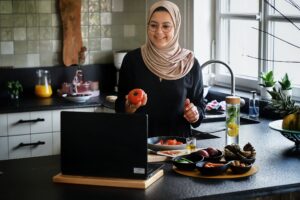
Urheberin: Souhaila Chakkour
Um den Studierenden eine Abwechslung vom Pandemie-Alltag zu ermöglichen, hat das Studentische Gesundheitsmanagement der RWTH Aachen die „Fit aus der Pandemie“-Workshop-Reihe ins Leben gerufen. Die Teilnehmenden treffen sich ab dem 06. April im Sommersemester 2022 online, um neue Impulse für das Thema Gesundheit zu erhalten. Folgende Workshops werden angeboten:
- Live Cooking: Orient trifft Uni@Home
- Workshop: Der Trick mit dem Gleichgewicht
- Live-Cooking: Brainfood – Snack dich smart!
- Workshop in englischer Sprache: Augengesundheit
- Live-Cooking: Klimafreundlich essen
- Sporternährung (inklusive Live-Cooking)
Die Workshops finden mittwochs ab 18 Uhr statt. Die aktuellen Termine und Anmeldemöglichkeiten finden Sie auf der offiziellen Workshop-Seite des Studentischen Gesundheitsmanagements.
Schreibwerkstatt E-Technik SoSe 2022
Kursangebot
21. April bis 30. Juni 2022

Urheber: Martin Braun
Auch dieses Semester wird die „Schreibwerkstatt E-Technik“ für die Studierenden der Fakultät für Elektrotechnik und Informationstechnik angeboten. Das Angebot ist das Resultat der Kollaboration des Schreibzentrums am Sprachenzentrum, der Zentralen Studienberatung sowie der Fakultät für Elektrotechnik und Informationstechnik der RWTH Aachen University.
Studierende haben die Möglichkeit sich zu einem der beiden angebotenen Kurse anzumelden und somit ihre Fähigkeiten im Verfassen von Studien- oder Abschlussarbeiten zu verbessern. Praxisnah werden notwendige Kenntnisse und Schreibstrategien vermittelt . Außerdem kann eine individuelle Online-Schreibberatung in Anspruch genommen werden.
Das Kursangebot richtet sich an alle Bachelor- und Masterstudierenden der Fakultät Elektrotechnik und Informationstechnik, die eine Studien- oder Abschlussarbeit schreiben.
Termine
| Gruppe 1 02.84000 |
Gruppe 2 02.08496 |
| Do, 28.04.2022 | Do, 21.04.2022 |
| Do, 12.05.2022 | Do, 05.05.2022 |
| Do, 02.06.2022 | Do, 19.05.2022 |
| Do, 30.06.2022 | Do, 23.06.2022 |
Anmeldung
Anmeldefrist: 28. März bis 4. April 2022
Die Anmeldung erfolgt über das Benutzerkonto am Sprachenzentrum.
Bei erfolgreicher Teilnahme erhalten die Studierenden ein Zertifikat und 3 CP, die für den Wahlpflichtbereich anrechenbar sind. Internationale Studierende müssen als Teilnahmevoraussetzung ein Deutschniveau von mindestens C1.2 nachweisen.
Kontakt für Rückfragen: schreibzentrum@sz.rwth-aachen.de
Studieren weltweit – die virtuelle Messe am 25. März 2022
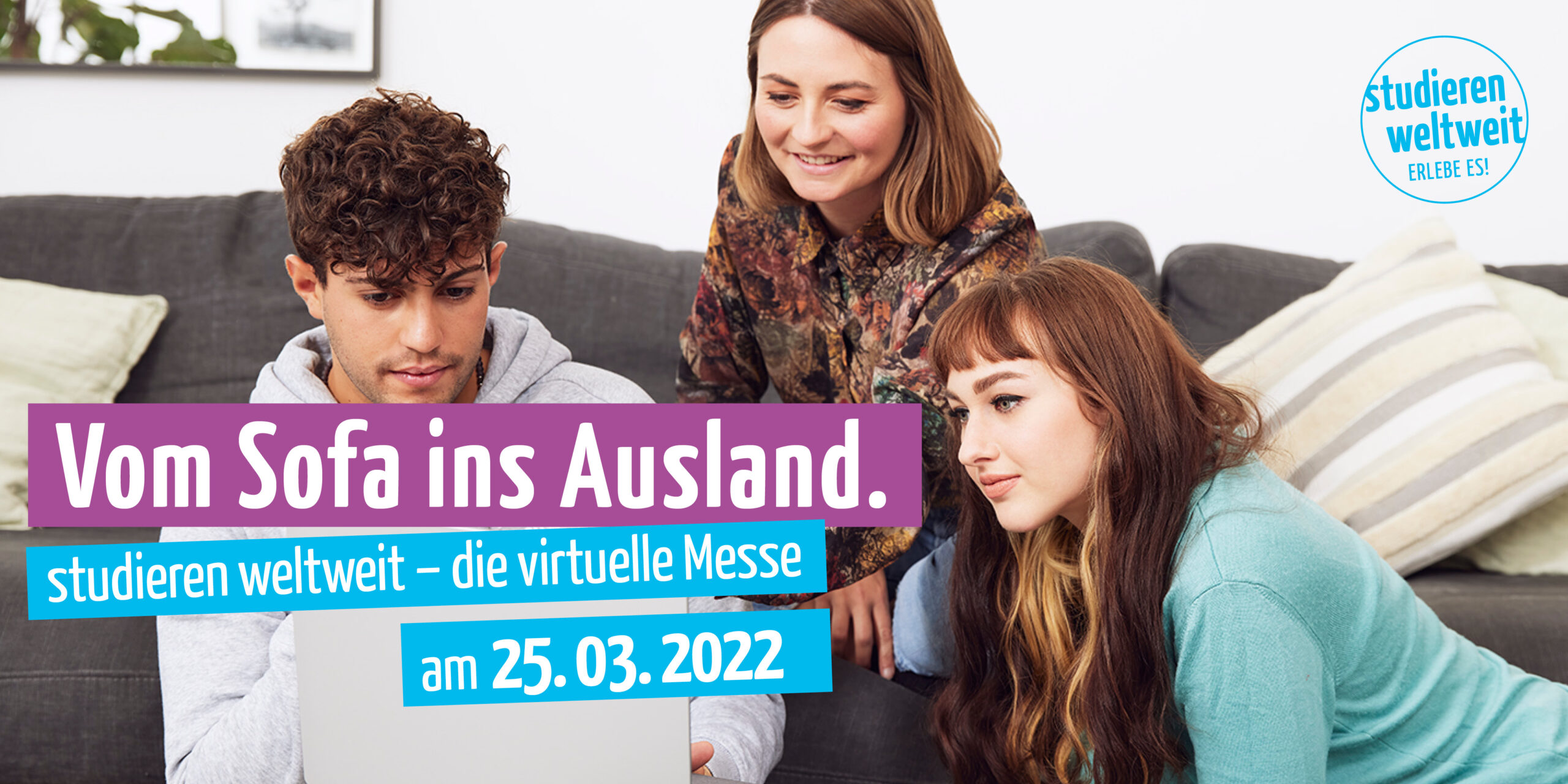
Urheber: Deutscher Akademischer Austauschdienst e.V. (DAAD)
Auch dieses Jahr findet wieder die Onlinemesse „Studieren weltweit – die virtuelle Messe“ statt. Am 25. März 2022 können sich Studierende zu Auslandsaufenthalten während des Studiums oder Praktikums persönlich beraten lassen. Außerdem gibt es ein breit gefächertes Vortragsprogramm u.a. zu Finanzierungsmöglichkeiten und empfohlenen Planungsschritten. Durch Erfahrungsberichte ehemaliger Austauschstudierender werden persönliche Einblicke gegeben, die für die eigene Planung wertvoll sein können.
- Wann? Am 25. März 2022 von 12:30 bis 16:30 Uhr.
- Wo? Online.
Weitere Informationen sowie kostenlose Anmeldemöglichkeiten gibt es auf der Messeseite von „Studieren weltweit“.
Rückblick der 150-Jahr-Ausstellung der RWTH
Vom 30.10.2021 bis zum 13.02.2022 fand im Aachener Centre de Charlemagne die 150-Jahre-Ausstellung der RWTH statt. Auch das ISEA – das Institut für Stromrichtertechnik und Elektrische Antriebe hat mit einigen Exponaten dazu beigetragen, die Highlights aus der Forschung und die Entwicklung der RWTH seit ihrer Gründung im Oktober 1870 zu veranschaulichen.
Für alle, die nicht dabei waren, um sich diese wunderbare Ausstellung selbst anzusehen, haben wir einen kurzen Rückblick erstellt.
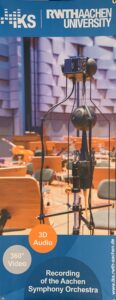
Unter anderem war auch das IKS beteiligt. Das Projekt „Virtuell zu Besuch“ beschäftigte sich mit der 3D-Telefonie der Zukunft. Wer hatte nicht schon einmal den Wunsch, sich beim Telefonieren auf die andere Seite zu beamen? Zumindest per Audio wäre das in Zukunft möglich, was uns das IKS in der Ausstellung bewiesen hat.
Prof. Dr. Peter Jax präsentierte in seinem Vortrag den Stand der Technik sowie aktuelle Forschungsthemen und lud anschließend zu einer spannenden Diskussion ein.
Es war sehr interessant, ein aktuelles Forschungsprojekt des IKS kennenzulernen und die Forschung live mitzuerleben.
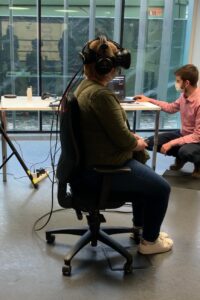 Die Inhalte des Vortrags wurden im Rahmen der Ausstellung noch einmal verdeutlicht, indem man sich virtuell mitten in das Konzert des Sinfonieorchesters Aachen setzen konnte. Dabei ging es darum, den Ton in drei Dimensionen wahrzunehmen. Um dieses Phänomen zu erleben, musste man lediglich ein Paar Kopfhörer aufsetzen und schon konnte man die Klänge des Aachener Sinfonieorchesters genießen. Um das Erlebnis zu intensivieren, konnte man zusätzlich noch eine Virtual Reality Brille tragen, um so das Konzert zu sehen und mittendrin im Geschehen zu sein.
Dabei war es besonders faszinierend, die Töne aus allen Richtungen hören und sie zuordnen zu können. Die Töne ließen sich ganz einfach näher verfolgen, indem man sich mit der Brille nach ihnen umdrehte.
Es war ein toller Einblick in die Forschung des IKS.
The Future of Networking
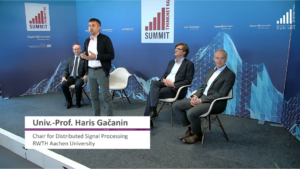 Professor Dr. Haris Gačanin, Leiter des Lehrstuhls für Verteilte Signalverarbeitung und Co-Leitung des Institute of Communication Technologies and Embedded Systems, präsentierte die Forschungsaktivitäten des 6GEM Research-Hubs auf dem Thinknet 6G Summit. Der Thinknet 6G Summit ist eine internationale Konferenz, die sich mit der nächsten Generation von Kommunikationsnetzen beschäftigt.
Im Zuge der fortschreitenden Digitalisierung kommt der mobilen Kommunikation die entscheidende Rolle zu, die Kommunikationsinfrastruktur für die gesamte Gesellschaft bereitzustellen. Die aktuelle Generation der mobilen Kommunikation, 5G, ist die erste, die den Fokus weg von der individuellen Endnutzerkommunikation hin zu industriellen Anwendungen (Industrie 4.0), Logistik, Transport und eHealth verlagert. Die nachfolgende Generation, 6G, soll die Kapazität und Geschwindigkeit der Netze weiter ausbauen, um Anwendungen mit deutlich höheren Anforderungen an die Vernetzungsfähigkeit zu ermöglichen, wie z. B. vollständig autonomes Fahren.
In dieser Hinsicht konzentriert sich das 6GEM-Forschungszentrum mehr auf die praktischen Auswirkungen, die 6G auf unsere Gesellschaft haben wird. Schließlich muss diese fortschrittliche Infrastruktur anpassungsfähige und belastbare Kommunikationssysteme für ein breites Spektrum von Anforderungen und Anwendungen zum Wohle der Menschheit bereitstellen.
Verleihung der Friedrich-Wilhelm-Preise 2021/ Award of the Friedrich Wilhelm Prizes 2021
Rayleigh Medal für Professor Michael Vorländer/ Rayleigh Medal for Professor Michael Vorländer
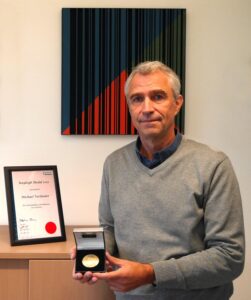
Das Institut für Hörtechnik und Akustik ist stolz darauf, bekannt geben zu können, dass Professor Michael Vorländer kürzlich mit der angesehenen Rayleigh Medal, der höchsten Auszeichnung des Instituts für Akustik, ausgezeichnet wurde. Daher gratuliert auch das Institut für Elektrotechnik und Informationstechnik und sagt, Herzlichen Glückwunsch an Professor Michael Vorländer!
Die Rayleigh Medal ist die höchste Auszeichnung des Institute of Acoustics und wird ohne Rücksicht auf das Alter an Personen verliehen, die sich durch herausragende Beiträge zur Akustik einen Namen gemacht haben. Die Medaille ist benannt nach John William Strutt, Third Baron Rayleigh (1842-1919), einem sehr vielseitigen Physiker, der sowohl experimentelle als auch theoretische Forschungen in praktisch allen Bereichen des Fachs durchführte. Sein Buch The Theory of Sound ist nach wie vor ein Meilenstein in der Entwicklung der Akustik.
Mit dieser Auszeichnung reiht sich Michael in eine Liste von sehr bekannten Akustikern wie Manfred Schröder, Hugo Fastl, Leo Beranek und seinem Vorgänger Heinrich Kuttruff ein, die ebenfalls mit dieser Medaille ausgezeichnet wurden.


