
Kategorie: ‘An der RWTH’
Data Stewards – Agents of Change
Source: own illustration
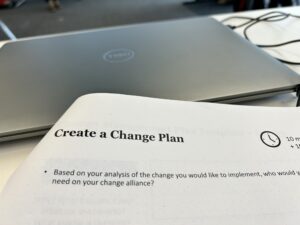
On March 9 and 10, 2026, the one-and-a-half-day workshop “Agents of Change: Change Management for Data Stewards—Strengthening Roles, Shaping Change” took place. The workshop was specifically aimed at the FDM network at RWTH Aachen University and thus at all those who support researchers in research data management (FDM) and contribute to achieving the goals of FAIR research data and Open Science. The workshop provided an opportunity to reflect on one’s own role in FDM and to develop concrete strategies for change processes within one’s own work environment.
Your Feedback for the Future of Coscine
Source: Own illustration
In 2026, we would like to invite you once again to participate in our Coscine user survey. From March 23 to April 30, 2026, you will have the opportunity to share your experiences with us and actively help shape the future of Coscine.
Policies That Bring People Together: Coscine Policies as a Guide for FAIR RDM!
Source: Own Illustration
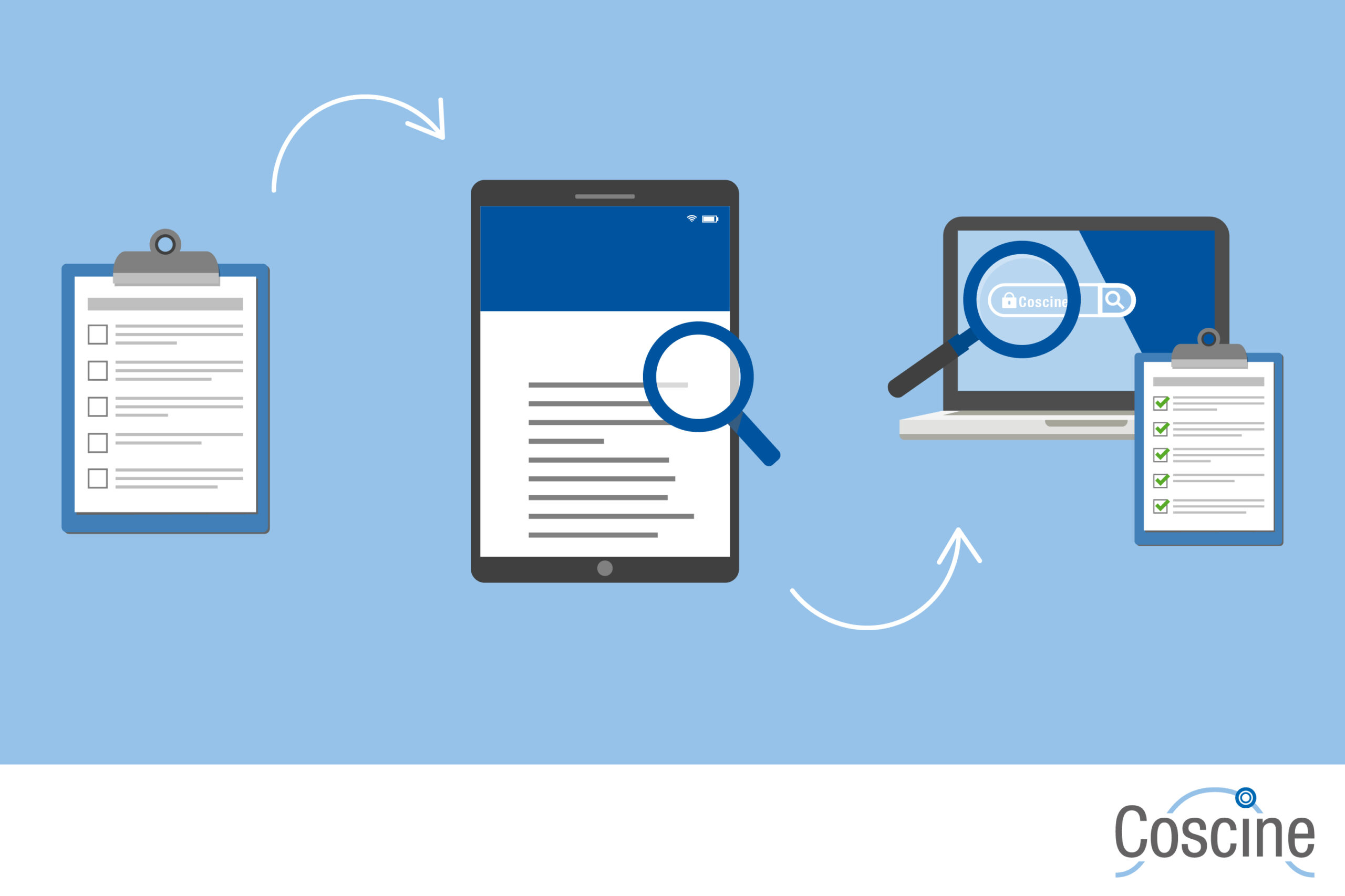
In today’s digital research landscape, it is crucial to ensure that research data management and use are clear and transparent. For this reason, the Service Management Team, in cooperation with RDM staff from other universities, has drafted several policy documents related to Coscine and DataStorage.nrw over the past few months. In this blog post, we take a closer look at these documents and their significance for review processes in North Rhine-Westphalia and beyond.
RSS Feed for Researchers: Latest Information On RDM
Source: Own Illustration
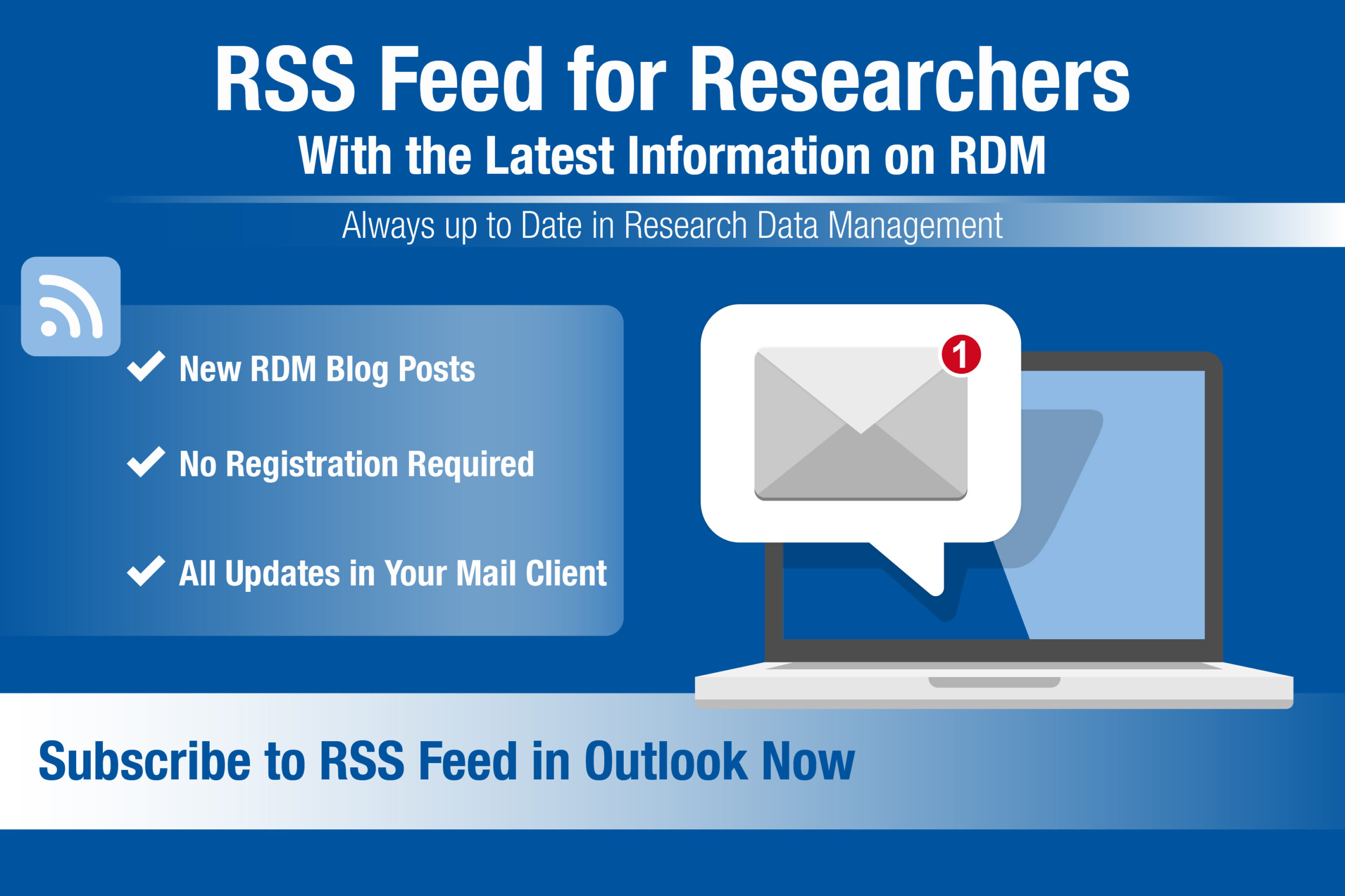
To work efficiently in everyday research, it is important to stay informed about new developments. With the RSS feed from the Research Data Blog, researchers and anyone interested in RDM will automatically receive all new posts, tips, and best practices related to research data management (RDM) directly in their email client, such as Outlook.
Coscine Meets RDMO – Incubator Launched With DMP4NFDI
Source: Own illustration
How can data management planning and research data management be more closely integrated without duplicating form filling, copying, and manual transfers? This is precisely where a new incubator comes in: Coscine and RDMO are being technically linked for the first time. Together with DMP4NFDI, an interface is being developed over six months that will simplify workflows and merge processes. Find out what this will look like in this article.
FDM-Werkstatt 2026 – Contributions from RWTH
Source: RDM Team RWTH Aachen University
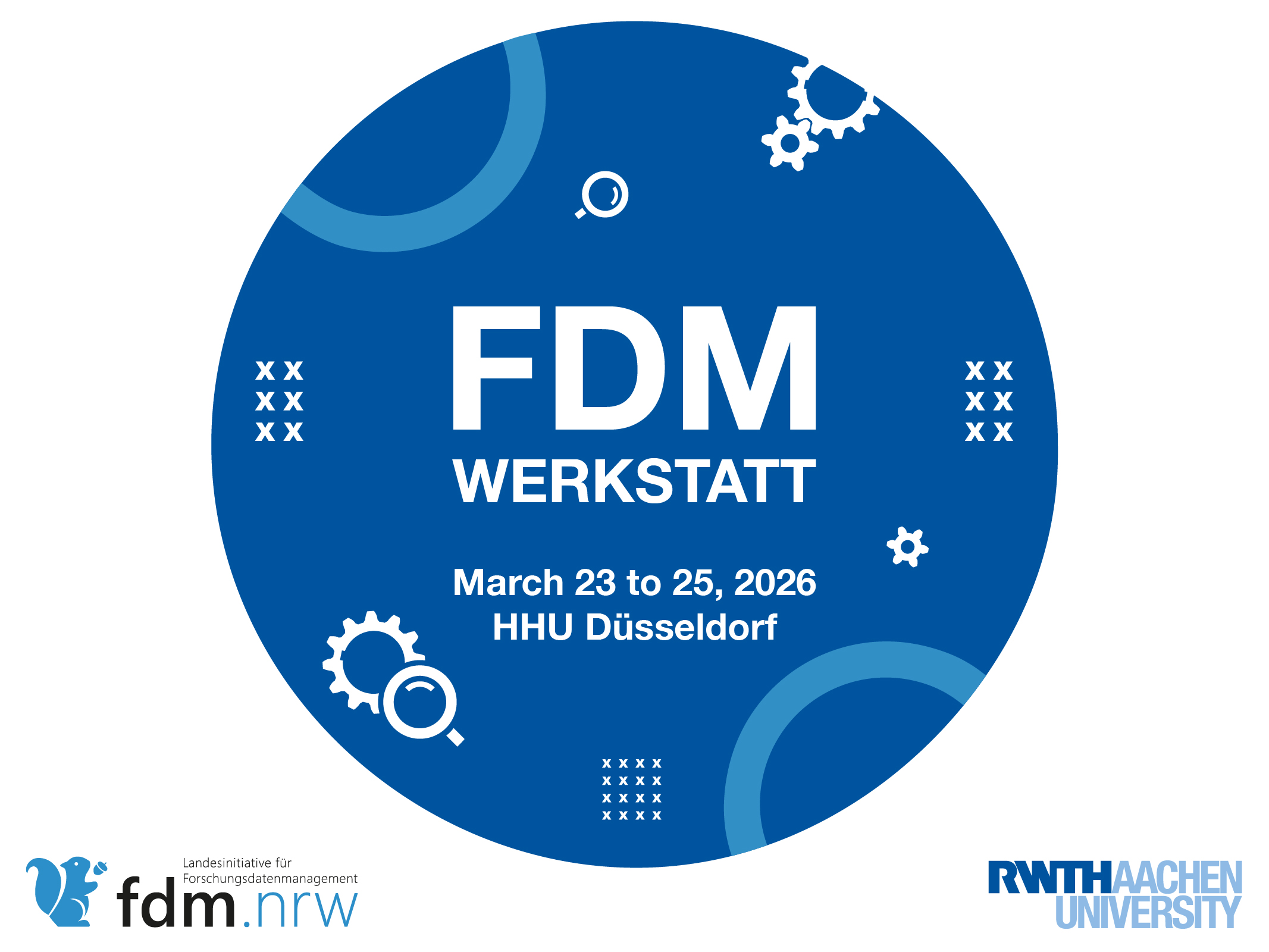
The next FDM-Werkstatt will take place in Düsseldorf from March 23 to 25, 2026, and will be conducted in English. This hands-on workshop is intended for researchers, data stewards, and others interested in gaining experience in research data management. Attendees will have the opportunity to collaborate, exchange ideas, and familiarize themselves with established tools. RWTH Aachen University is participating this year with several contributions, offering different perspectives from the realms of support, infrastructure, and practice.
Where Is the Data? In Coscine, of Course!
Source: Own illustration
“Where is the data?” – This question was at the heart of Love Data Week 2026 and describes a challenge shared by many research projects. Research data is continuously generated, processed, shared, and archived. At the same time, there is a growing need to keep this data findable, traceable, and usable in the long term. With a presentation and a workshop during Love Data Week, Coscine showed how research data management can be implemented in practice in this area of tension.
First RDM Network Meeting in 2026
Source: RDM Team RWTH Aachen University
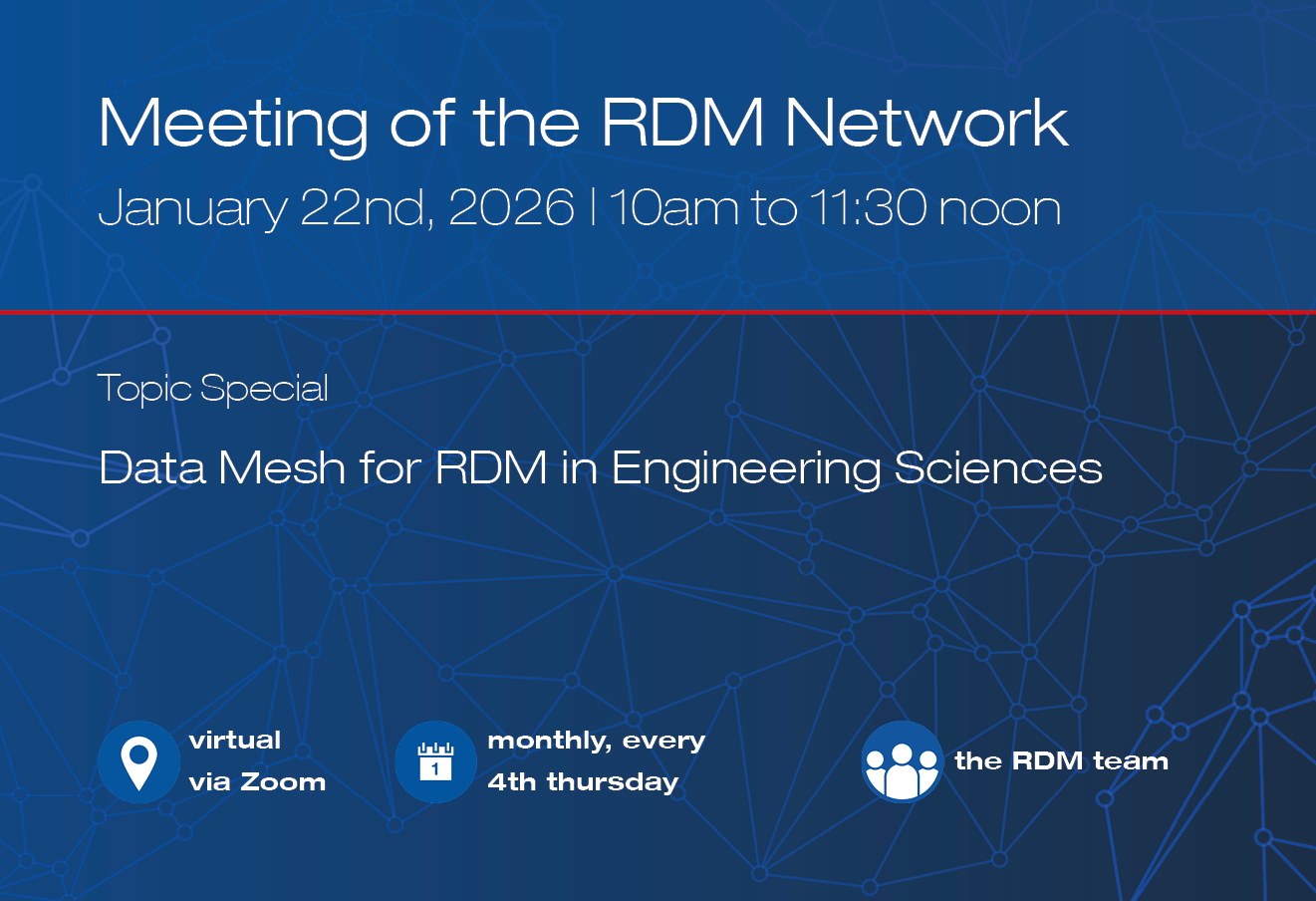
On January 22, 2026, the RDM team welcomed the RDM community at RWTH Aachen University to the first RDM network meeting of the year. The monthly event takes place online or in person on the fourth Thursday of every month and offers anyone interested in RDM the opportunity to exchange ideas and discuss practical examples.
The January meeting focused on the presentation “Data Mesh for RDM in the Engineering Sciences” by Mario Moser from the Laboratory for Machine Tools and Production Engineering (WZL) of RWTH Aachen University. In his presentation, he provided exciting insights into his doctoral thesis topic and, as part of the NFDI4ING consortium, presented conceptual considerations and designs for the use of the data mesh approach in RDM in the engineering sciences.
RWTHtransparent 2026 – A Review
Source: RDM Team RWTH Aachen University
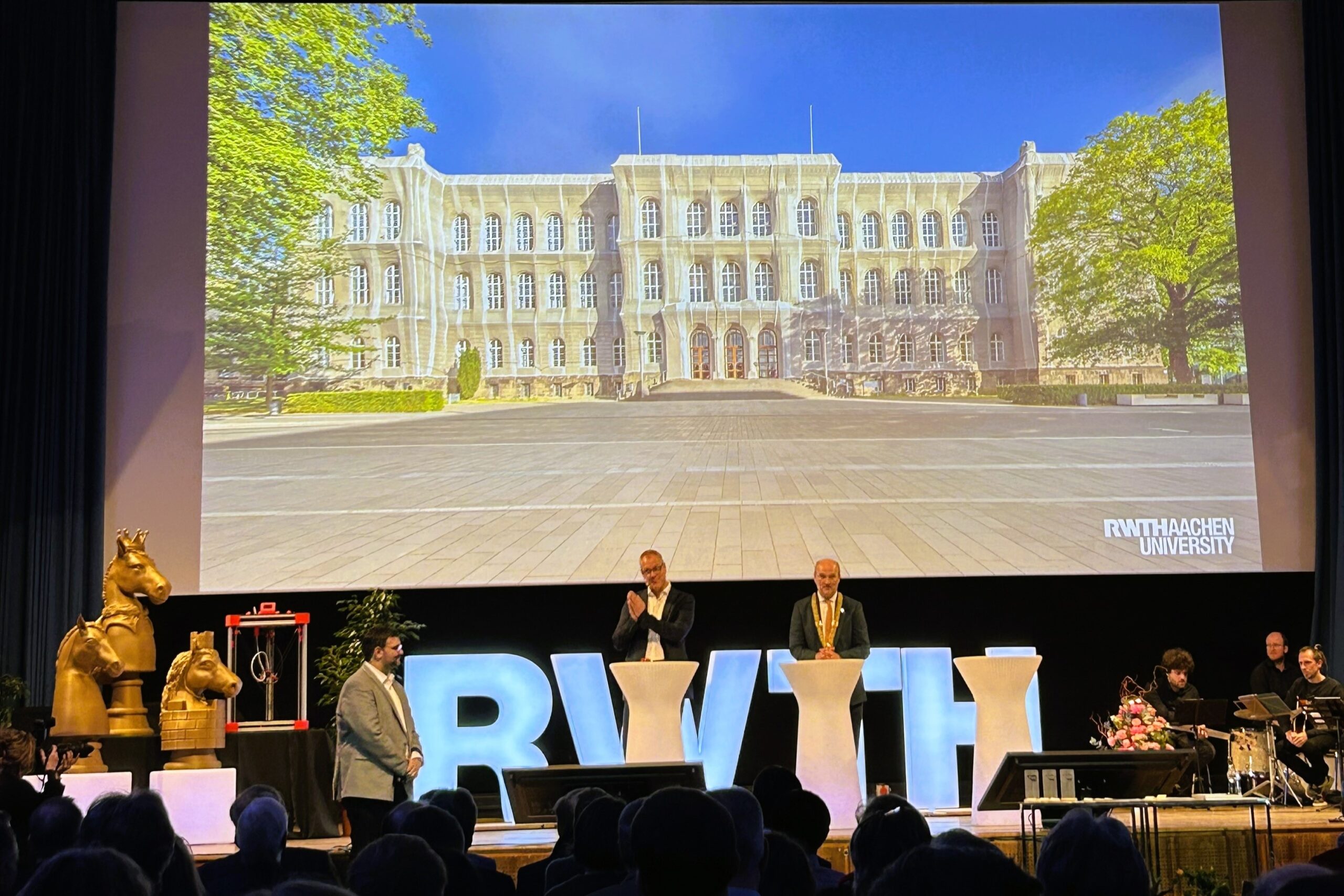
On January 30, 2026, as part of the “RWTHtransparent” event, RWTH Aachen University opened its doors to visitors once again, offering them a behind-the-scenes look at the university. The event showcased developments and successes from the past year and provided insights into planned projects. It allowed anyone interested to learn firsthand about current research and teaching initiatives.
Love Data Week 2026 – Time for Data Love
Source: forschungsdaten.info
The Love Data Week (LDW) is taking place again this year. Every February, this week of action focuses on the conscious, structured, and sustainable handling of research data. Under this year’s motto, “Where’s the Data?”, the entire life cycle of data is considered, from planning, collection, and analysis to publication, archiving, and reuse.
RWTH Aachen University is also celebrating the Love Data Week 2026 with its own contributions. In this blog post, we present the events that will be offered at RWTH during the campaign week.