
Kategorie: ‘Services’
Eine wirklich gute Idee – Der neue FDM-Podcast: IDEA
Coscine-Mailingliste
Quelle: Freepik
Dienste und Services befinden sich in stetiger Weiterentwicklung, so auch unsere Integrationsplattform für Forschungsdaten Coscine. Diejenigen, die Updates, neues Features und Weiterentwicklungen auf Coscine nicht verpassen möchten, haben ab jetzt die Möglichkeit, über die neue Coscine-Mailingliste auf dem Laufenden zu bleiben.
3. Open Data Impact Award – Stifterverband sucht erneut innovative Open Data

Quelle: Unsplash
Der Stifterverband schreibt im Rahmen seiner Initiative innOsci – Forum offene Innovationskultur zum dritten Mal den Open Data Impact Award aus. Die Initiative möchte damit Open Data in der Wissenschaft sichtbarer machen und stärken. Kooperationspartner ist die DUZ – Magazin für Wissenschaft und Gesellschaft. Es wird eine Fördersumme von insgesamt 30.000 Euro bereitgestellt.
Haben Sie schon eine ORCID?

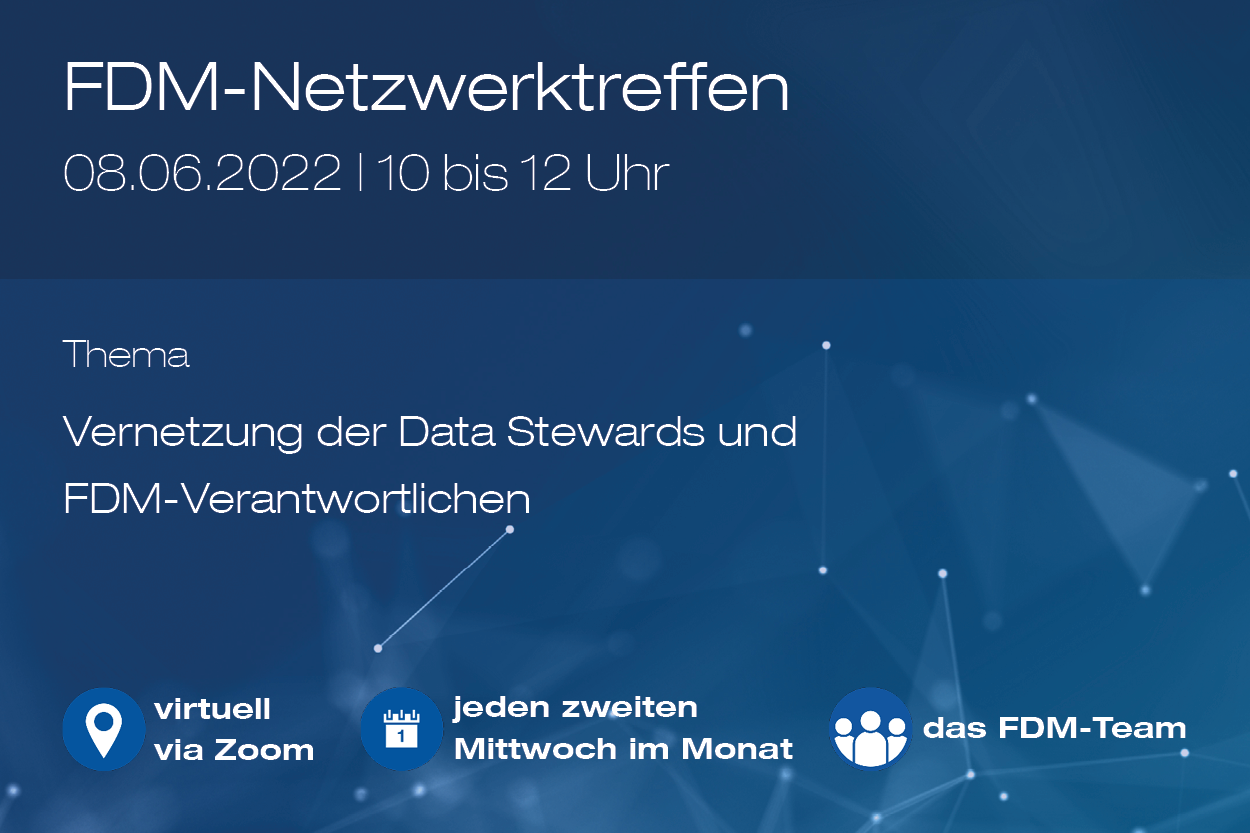
Nachbericht zum offenen FDM-Netzwerktreffen am 8. Juni 2022
Quelle: Freepik
Am 8. Juni 2022 trafen sich die Data Stewards, FDM-Verantwortlichen und FDM-Interessierten der RWTH Aachen zum regelmäßigen offenen FDM-Netzwerktreffen erneut online via Zoom. Die Veranstaltung fand unter dem Motto Vernetzung der Data Stewards und FDM-Verantwortlichen statt und bot die Möglichkeit, die Teilnehmenden untereinander zu vernetzen und die verschiedenen Tätigkeiten und FDM-Aufgaben näher kennenzulernen.
FDM erklärt – Einführung in die digitale Langzeitarchivierung
Quelle: Pixabay
Es wird wieder Zeit für unsere Reihe „FDM erklärt“, in der wir Ihnen wichtige Begriffe und Informationen für das praktische Forschungsdatenmanagement an die Hand geben.
In der heutigen Zeit sind digitale Informationen fester Bestandteil unseres Alltags. Ob Nachrichten in den sozialen Netzwerken, digitale Fotos, Dokumente oder Videos – auf all diese Daten möchten wir möglichst lange zugreifen. Doch der dauerhafte Zugriff auf digitale Daten ist nicht nur im privaten Bereich ein wichtiges Thema, sondern auch im Forschungskontext. Die langfristige Nutzbarkeit von Forschungsdaten ist Voraussetzung für den wissenschaftlichen Fortschritt. Dieser Beitrag bietet deshalb eine kleine Einführung in die digitale Langzeitarchivierung.
Archivierung mit Coscine – Ein Erfahrungsbericht
Quelle: Eigene Darstellung © RWTH Aachen
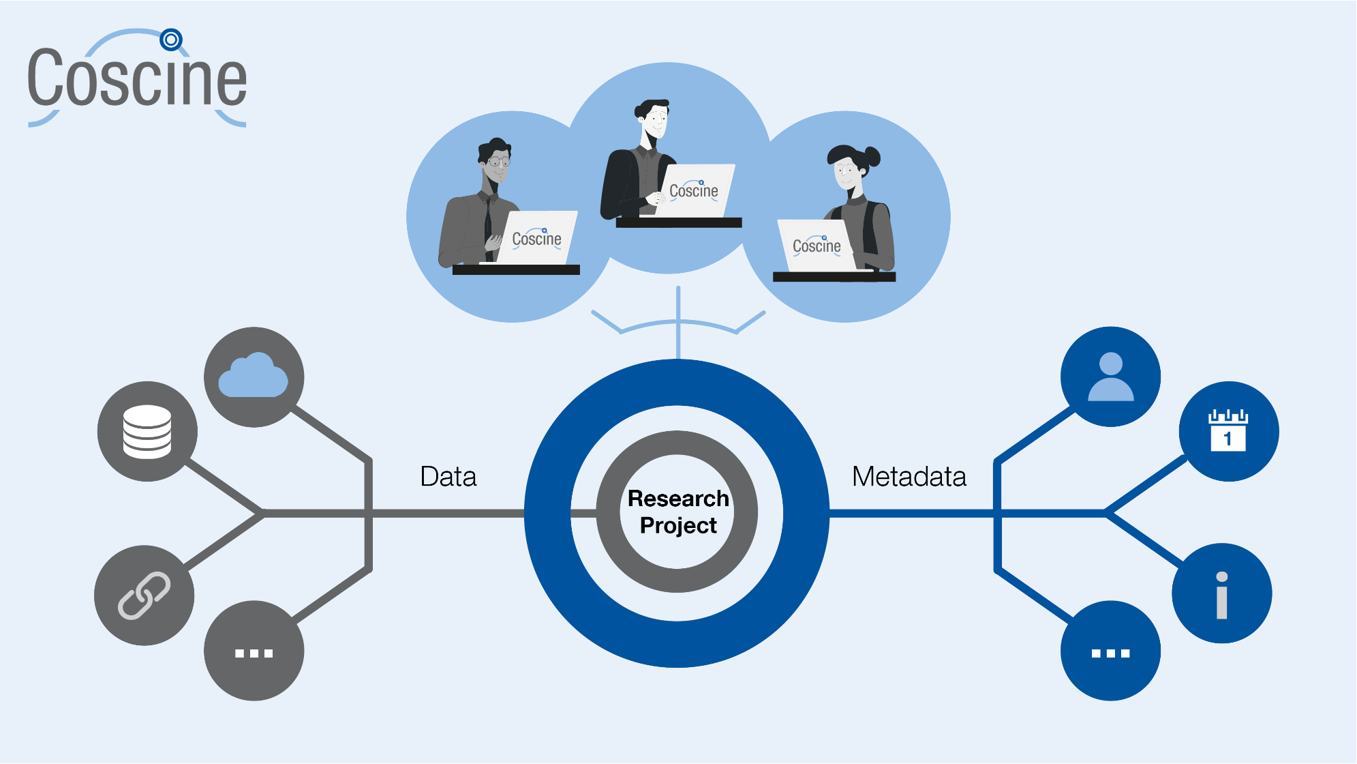
Vor Kurzem berichtete das IT Center Blog-Team über das groß angelegte Projekt „Die Archivmigration“ – Was bisher geschah“ des IT Centers und der RWTH Aachen University. Bis zum 30. Juni 2022 soll die Archivmigration abgeschlossen sein und alle klassifizierten Archivknoten in Coscine und das DigitalArchiv überführt werden. Die Archivierung von Forschungsdaten ist bereits seit letztem Jahr mit Coscine möglich. In diesem Beitrag gehen wir auf einige Rückfragen von Forschenden ein und erläutern die Hintergründe, warum Sie Ihre Forschungsdaten mit Coscine archivieren sollten.
Nachbericht zum offenen FDM-Netzwerktreffen am 11. Mai 2022
Quelle: Freepik
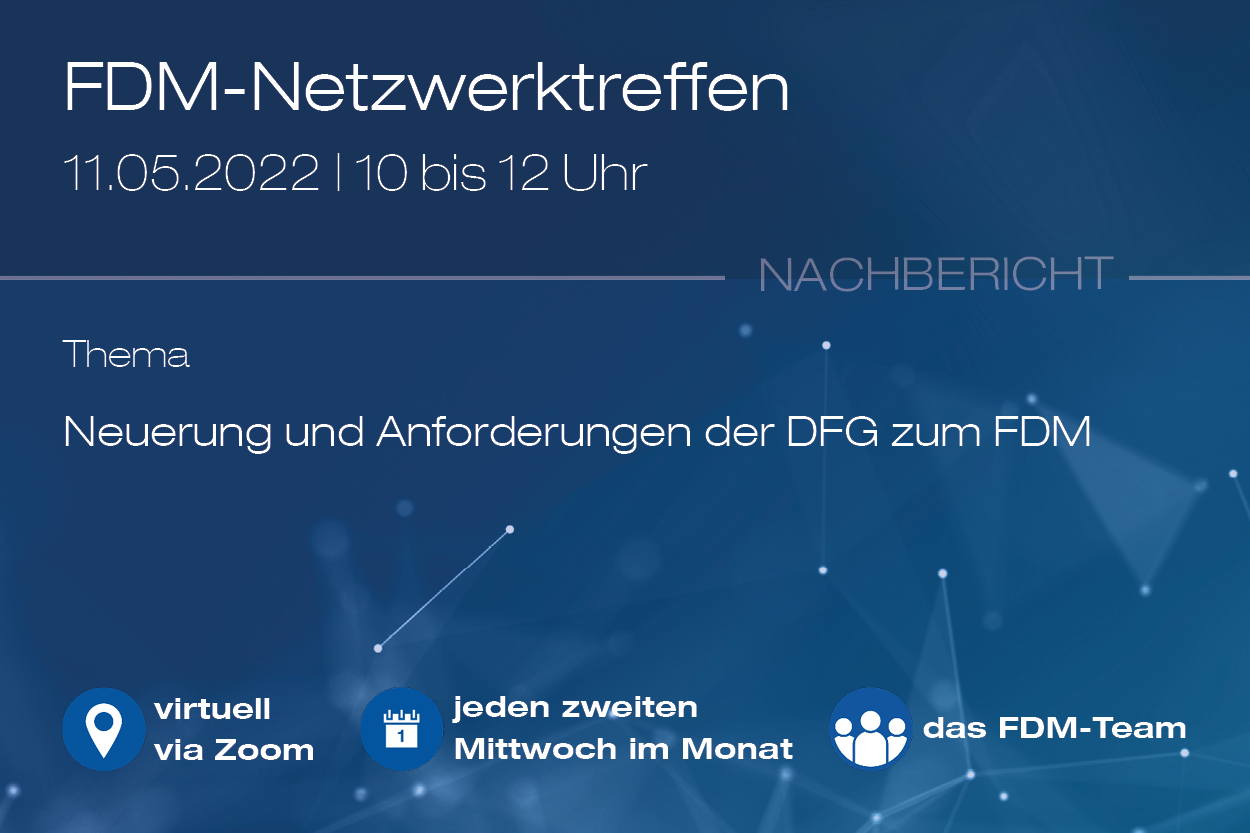
Am 11. Mai 2022 war es mal wieder Zeit für das monatliche FDM-Netzwerktreffen. Dabei kamen um die 70 Data Stewards, FDM-Verantwortliche und FDM-Interessierte der RWTH Aachen University online via Zoom zusammen. Diesmal stand das Thema Forschungsförderung mit Fokus auf die Neuerung und Anforderungen der DFG zum FDM im Mittelpunkt.
Neues Video – Wie archiviere ich Forschungsdaten an der RWTH?
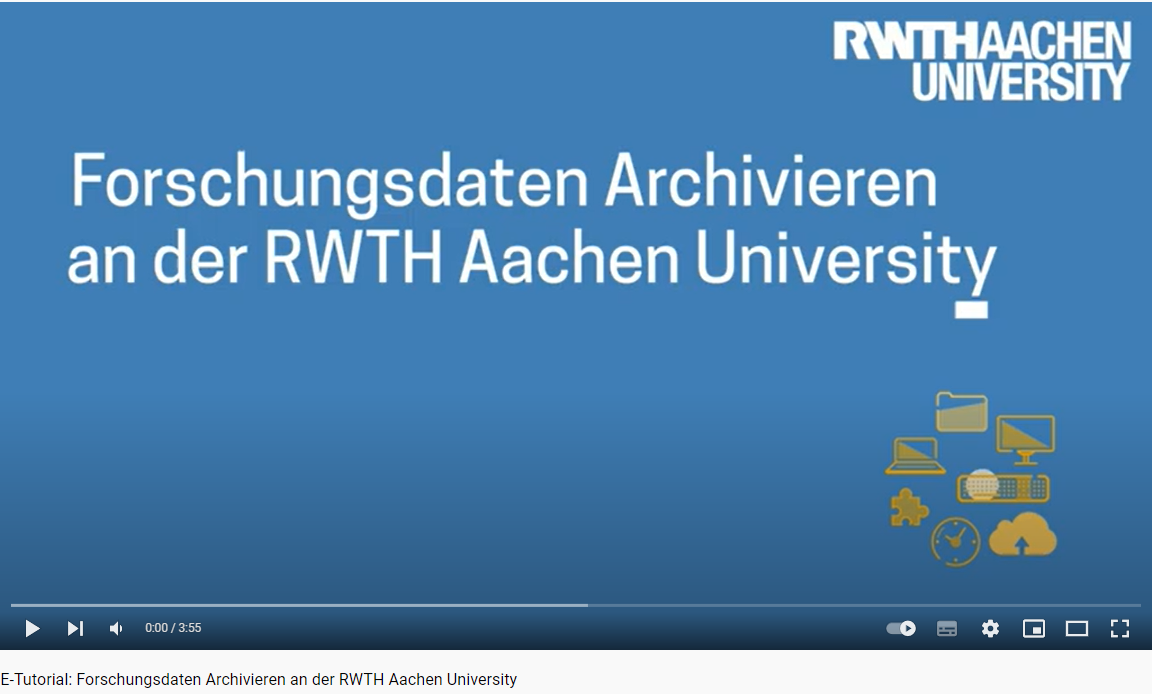
Ihnen ist das Thema Archivierung von Forschungsdaten neu? Sie glauben, die Archivierung ist nur eine technische Frage des Speicherortes? Dann haben wir nun etwas für Sie: Und zwar ein kürzlich veröffentlichtes Video zum Thema Archivieren von Forschungsdaten, kreiert von der Universitätsbibliothek der RWTH Aachen University.
FDM erklärt – Was ist eigentlich ein Datenjournal?

Datensätze beschreiben. Quelle: Unsplah
Weiter geht es mit unserer Reihe „FDM erklärt“, mit der wir Ihnen wichtige Begriffe und Informationen für das praktische Forschungsdatenmanagement an die Hand geben. Neben den klassischen wissenschaftlichen Zeitschriften gibt es im wissenschaftlichen Publikationswesen auch sogenannte Datenjournale (Data Journals). Im Gegensatz zur Fachzeitschrift beziehen sich diese ausschließlich auf Daten. Einigen ist diese Publikationsform allerdings noch gänzlich unbekannt. Aus diesem Grund möchten wir Data Journals auf unserem FDM-Blog näher beleuchten.
Sprache:
Folgen Sie uns