Schlagwort: ‘Antonello Monti’
Humboldt-Stipendiatin am E.ON Energy Research Center

Dr. Ameze Big-Alabo von der University of Port Harcourt in Nigeria forscht am Lehrstuhl Automation of Complex Power Systems der RWTH Aachen. © Judith Peschges
Die Elektrotechnikerin Ameze Big-Alabo verstärkt ab April 2025 im Rahmen eines Humboldt-Stipendiums das internationale Forschungsteam um Professor Antonello Monti im Fachbereich Mikrogrids.
Im Rahmen des Henriette Herz-Scouting-Programms der Humboldt-Stiftung setzte sich Professor Antonello Monti, Leiter des Instituts und Inhaber des Lehrstuhls Automation of Complex Power Systems (ACS), erfolgreich dafür ein, die Wissenschaftlerin für das E.ON Energy Research Center zu gewinnen. Ameze Big-Alabo, eine international erfahrene Forscherin, wechselte daraufhin von der University of Port Harcourt in Nigeria an die RWTH Aachen University.
Sie ist auf Windkraftanlagen, Solarpaneele und die Kombination beider Technologien in lokalen Energienetzen spezialisiert und verfolgt das Ziel, sogenannte Mikrogrids noch effizienter, robuster und nachhaltiger zu machen. Mikrogrids sind kleine lokale Energienetzwerke, die sowohl vom allgemeinen Stromnetz getrennt als auch mit diesem verbunden betrieben werden können. Für die Weiterentwicklung dieser Systeme sind komplexe Entwürfe und mathematische Modellierungen erforderlich, die reale Mikronetze abbilden. Dazu gehören Optimierung, Energiemanagement und Fehlererkennung.
„ Mein Forschungsgebiet passt hervorragend zu den Schwerpunkten des Instituts in Aachen. Ich komme gut voran und bisher läuft alles nach Plan“, lautet die erste Bilanz der Wissenschaftlerin.
Ein wesentlicher Teil ihrer Arbeit sind computergestützte Simulationen. Dabei analysiert sie, wie sich unterschiedliche Energiequellen optimal kombinieren lassen. Bei der Modellierung von Solarpaneelen berücksichtigt sie zahlreiche Faktoren, darunter Sonnenintensität, Außentemperatur, geografische Lage und Paneelgröße. Im Anschluss an die Simulationen erfolgen experimentelle Tests. Neben der intensiven Arbeit am Computer ist ihr der persönliche Austausch im Forschungsteam wichtig.
„Ich schätze die internationale Gemeinschaft, die hier herrscht. Es arbeiten viele Menschen unterschiedlicher Herkunft am Institut und mit allen verstehe ich mich gut“, sagt die Forscherin.
Ameze Big-Alabo kann auf umfangreiche internationale Erfahrung zurückblicken: Sie erwarb ihren Bachelor- und Masterabschluss in Elektrotechnik in Nigeria und erhielt anschließend ein Stipendium für ein Masterstudium im Fach Advanced Control Systems Engineering an der University of Manchester. Dort gewann sie den Neil Munro Prize für die beste Masterarbeit in ihrem Fachgebiet. Es folgte ein weiteres Stipendium für die Promotion an der University of Glasgow in Schottland.
Auch über das Ende ihres Forschungsaufenthalts im April 2026 hinaus erhofft sich die Wissenschaftlerin eine dauerhafte Zusammenarbeit mit der RWTH. Nach ihrer Rückkehr wird sie ihre Lehrtätigkeit in Nigeria wieder aufnehmen. Ihr langfristiges Ziel ist es, zur Verbesserung der Energieversorgung in ihrem Heimatland beizutragen.
„Energieerzeugung ist eine der größten Herausforderungen bei uns. Mit dem Wissen, das ich bei meinen Forschungsaufenthalten gewinne, will ich eine nachhaltige Entwicklung anstoßen“, erklärt Ameze Big-Alabo.
Das Humboldt-Forschungsstipendium richtet sich an promovierte und überdurchschnittlich qualifizierte Forschende aus der ganzen Welt und allen Fachrichtungen. Es ermöglicht in verschiedenen Stadien der wissenschaftlichen Laufbahn, persönliche Forschungsvorhaben in Kooperation mit Gastgeber:innen einer Forschungseinrichtung in Deutschland durchzuführen. Das monatliche Stipendium beträgt 3.200 Euro zzgl. Nebenleistungen. Es kann für eine Dauer zwischen sechs und 18 Monaten beantragt werden und ist auf bis zu drei Aufenthalte innerhalb von drei Jahren aufteilbar.
Das Henriette Herz-Scouting-Programm ermöglicht es namhaften und gut vernetzten Wissenschaftler:innen, ihr Team um exzellente Humboldt-Forschungsstipendiat:innen zu erweitern. Bei der Nominierung der Stipendiat:innen werden individuelle Lebens- und Bildungswege – auch und gerade hinsichtlich Chancengerechtigkeit und Barrierefreiheit – berücksichtigt.
Hier finden Sie weitere Informationen zum Humboldt-Forschungsstipendium sowie zum Henriette Herz-Scouting-Programm.
Exzellente Forschende auf interdisziplinärer Bühne: Vortrag von Professor Monti
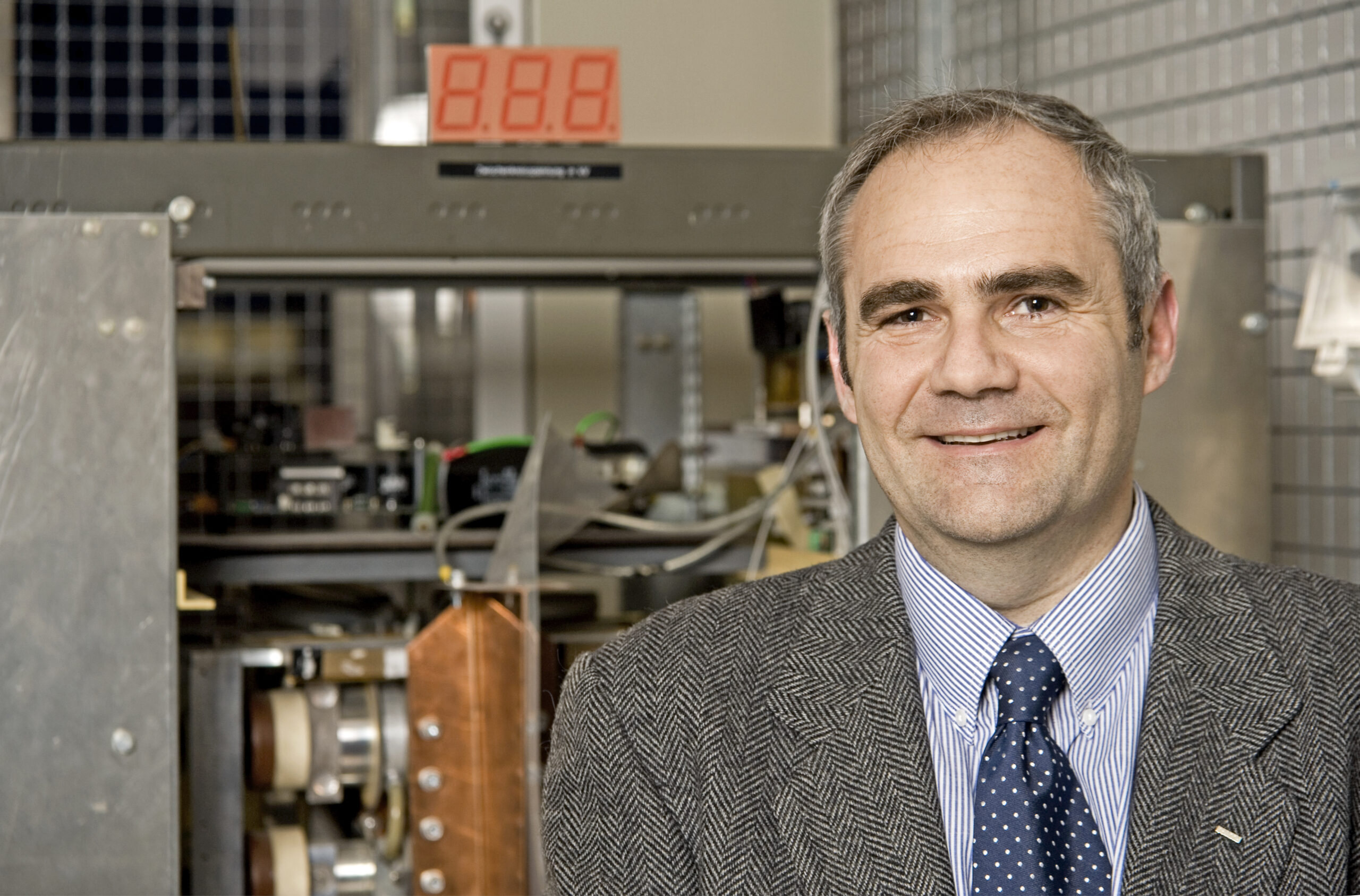
© Peter Winandy
Professor Antonello Monti von der RWTH Aachen wird am 17. April im Rahmen der „Wissenschaftlichen Sitzung der Klasse für Ingenieur- und Wirtschaftswissenschaften“ der Nordrhein-Westfälische Akademie der Wissenschaften und der Künste über die Entwicklungsziele seines Fachgebietes im Hinblick auf die Lösung großer gesellschaftlicher Herausforderungen referieren.
Der Prozess der Energiewende ist vor dem Hintergrund der internationalen Situation wichtiger denn je. Der notwendige technologische Umbau des Energiesystems muss von zwei Seiten bewältigt werden: Auf der einen Seite ist ein neuer Hauptakteur in der Energieversorgung entstanden: die erneuerbaren Energien. Ihnen stehen auf der anderen Seite neue Verbraucher wie Elektromobilität und Wärmepumpen gegenüber. In diesem Prozess erweist sich die Digitalisierung als wichtiger Wegbereiter. Man kann sogar sagen, dass die Digitalisierung keine Option, sondern eine Notwendigkeit ist. Das Energiesystem wird dadurch zu einer großen, programmierbaren cyber-physischen Infrastruktur mit einem hohen Grad an Komplexität. In seinem Vortrag „The Digitalization of the Energy Systems: from the electrons to the cloud“ geht Professor Monti auf diese Komplexität ein, indem er die Lösungen analysiert, die derzeit für die verschiedenen Ebenen der Infrastruktur entwickelt werden.
„Die gesamte Architektur neu zu überdenken bedeutet, die grundlegenden Funktionsprinzipien des neuen Stromsystems, aber auch die entsprechenden IT-Systeme neu zu überdenken“,
so Professor Monti, Leiter des Institute for Automation of Complex Power Systems (ACS).
Was bedeutet es also, ein digitales Netz zu betreiben? Und werden wir in der Lage sein, ein digitales Stromnetz aufzubauen, das genauso zuverlässig ist wie die heutige Infrastruktur?
Die Lösungen, die er in seinem Vortrag vorschlägt, basieren auf konkreten Erfahrungen, die im Rahmen großer europäischer Forschungsprojekte gesammelt wurden. Professor Monti leitet eine wissenschaftliche Arbeitsgruppe, in der bis zu 50 Forscherinnen und Forscher intensiv an der Schnittstelle zwischen Energie und Informations- und Kommunikationstechnologien arbeiten. Er ist verantwortlich für die Koordination einiger der derzeit wichtigsten europäischen Projekte wie OneNet, TwinEU und int:net. Seine Forschungsarbeiten wurden bereits mehrfach ausgezeichnet, unter anderem mit dem renommierten „IEEE Field Medal Award for Innovation in Public Infrastructure“ und dem „NRW Innovationspreis“.
In einem weiteren Vortrag dieser Sitzung – „Nachhaltige Metalle: Beiträge aus der Grundlagenforschung“ – beschäftigt sich Professor Dierk Raabe vom Max-Planck-Institut für Nachhaltige Materialien mit der Frage, ob es uns gelingen kann mit „grünem Stahl“ eine Schlüsselindustrie zu dekarbonisieren.
Weitere Informationen zur Nordrhein-Westfälischen Akademie der Wissenschaften und der Künste findet Ihr auf der Homepage der Organisation.


