
Kategorie: ‘Allgemein’
Bridging the Media Gap – RDMO Learns to Communicate with Coscine
Source: Own Illustration
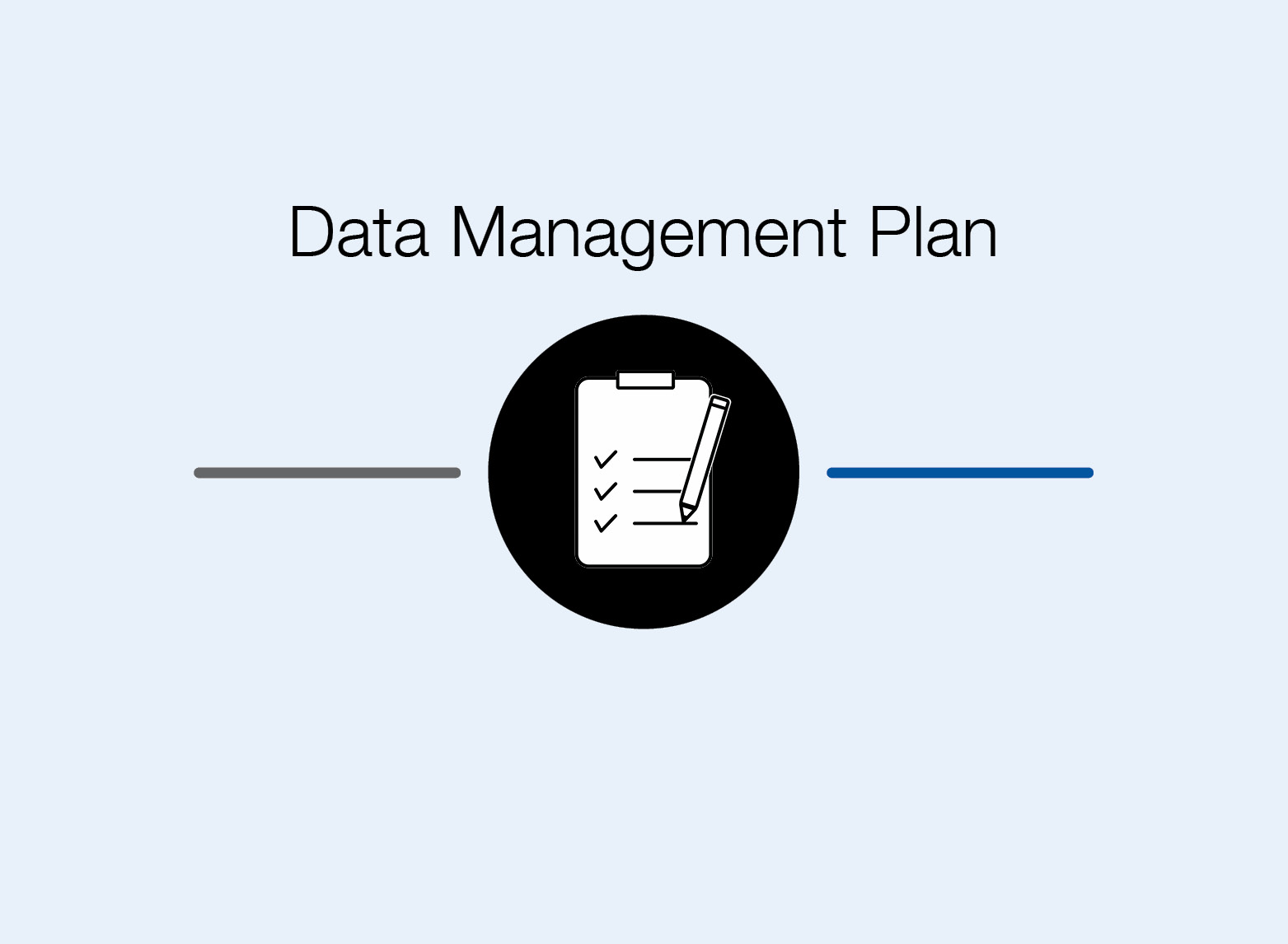
When transitioning from one phase of the research process to the next, researchers often encounter media gaps. For example, when they have finalized their data management plan (DMP) in RDMO and want to create a corresponding Coscine project for data storage and management. Until now, the project metadata had to be transferred manually for this purpose. Through an incubator with DMP4NFDI, RDMO has now learned to communicate with Coscine and transfer the metadata directly. This blog post explains exactly how this works and what requirements must be met.
Coscine Introduces New User Interface
Source: Own illustration
Coscine has now been in regular operation for more than three years and is used for research data management by approximately 3,900 researchers from various universities in the DH.NRW network as well as participating NFDI consortia. The blog post “Happy Birthday, Coscine!” provides an overview of Coscine’s development to date.
As the number of users grows and application scenarios diversify, the demands placed on the platform continue to evolve. For this reason, Coscine’s user interface (UI) is undergoing a fundamental redesign. The goal of these changes is to make the platform clearer, more intuitive, and more user-friendly.
RDM at the Young Academics Day 2026

Source: Own illustration
What resources and support services are available to help early-career researchers advance their academic careers? At the RWTH Young Academics Day on September 4, 2026, doctoral students and postdocs had the opportunity to learn about various support programs offered by RWTH and to network with one another. The RDM team was also present at the event.
Organized by the RWTH Center for Young Academics, the event brought together early-career researchers from various departments at SuperC. In addition to providing information on the various opportunities offered by RWTH, the event offered, in particular, an opportunity for exchange and networking.
From the Chemistry Lab to the ELN – Follow-up Report of the RDM Network Lab Visit
Source: Own illustration
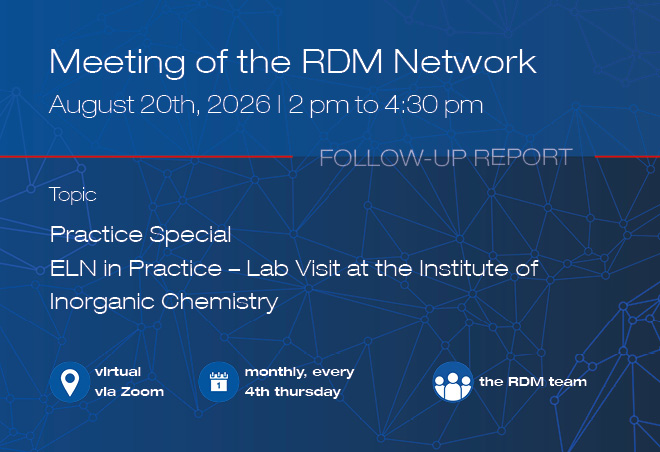
What does research data management look like where research data are actually generated? On August 20, 2026, the Institute of Inorganic Chemistry opened its laboratories to the RDM Network and provided insights into research data management in practice. The focus was on Electronic Lab Notebooks (so called ELNs), and how they can be integrated into workflows in chemical research.
NFDI4ING Summer School Aachen – Driving RDM
Source: NFDI4ING
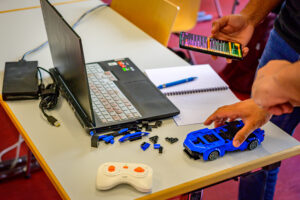
How can engineering data be collected in a structured manner, documented in a traceable way, analyzed, and used sustainably? Participants from various engineering disciplines addressed these and other questions at the joint “Driving RDM” Summer School organized by NFDI4ING, the DKZ.2R, and the Research Data Management Department at Otto von Guericke University Magdeburg (OVGU) in Aachen. Participants from Jülich and Clausthal were also in attendance.
The event combined theoretical fundamentals with hands-on labs. This allowed participants not only to familiarize themselves with the content but also to apply it directly to a specific use case.
Updated Accessibility Declarations for Coscine
Source: Own illustration
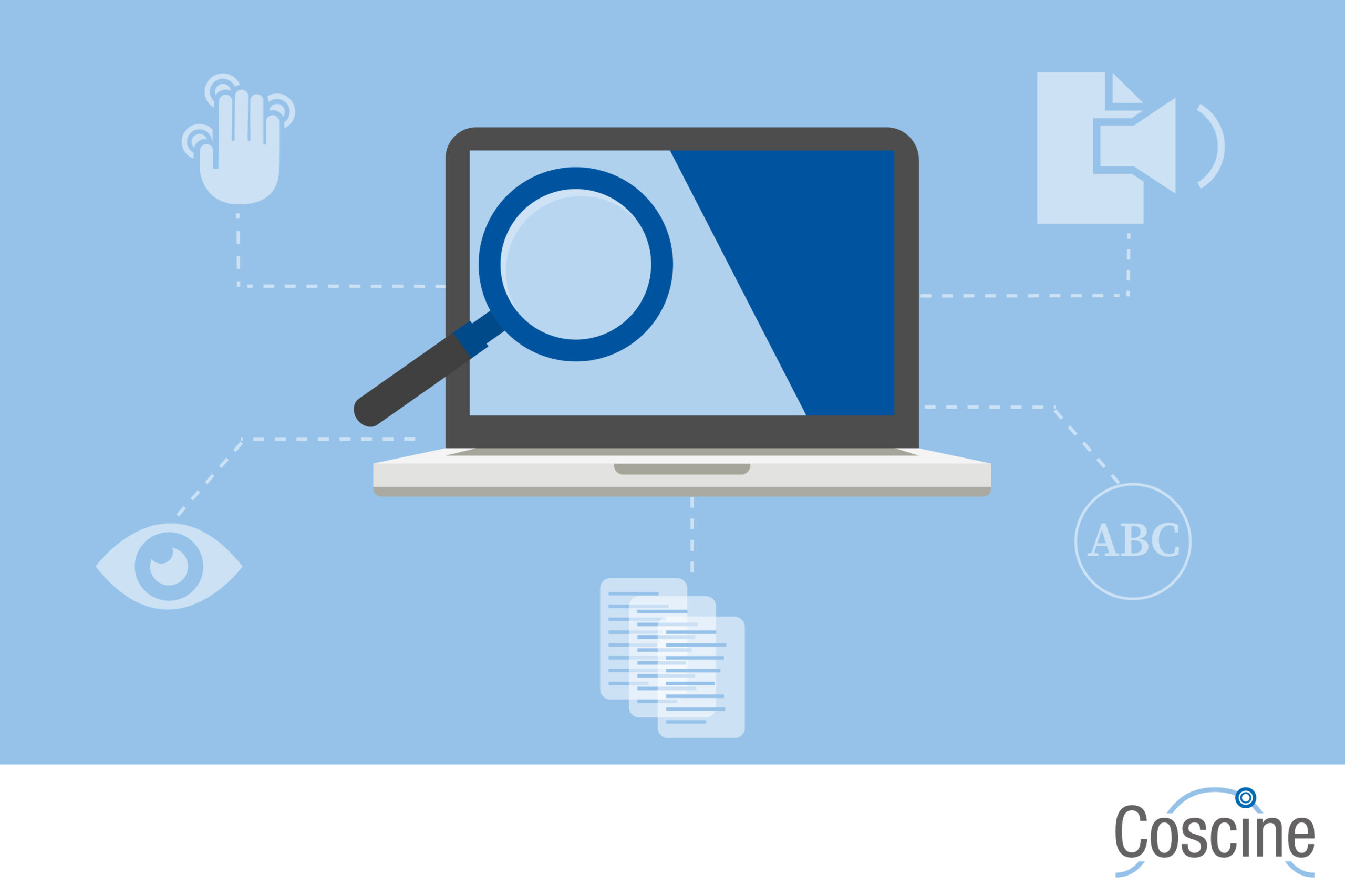
Good digital offerings are distinguished not only by their content, but also by the fact that they can be used by as many people as possible. That is why the accessibility of the Coscine website and the documentation is continuously being improved. The updated accessibility declaration from March 2026 replace the previous declaration from 2024 and provide insight into the current status of this work.
RDM Training Program – Courses Offered in the Second Half of 2026

Source: Own illustration
The RDM team at RWTH Aachen University offers a comprehensive training program on research data management (RDM). The program is aimed at researchers, data stewards, and anyone interested in the structured handling of research data or who would like to deepen their knowledge in this area. In this blog post, we provide an overview of the training courses scheduled for the second half of the year.
NFDI at RWTH: An Overview of the New Funding Phase
Source: Own illustration
Research data is a central component of scientific work today. It forms the basis for new insights, enables the traceability of research results, and creates the conditions necessary for data to be used and further processed over the long term. For this to succeed, sustainable infrastructures, common standards, and interdisciplinary collaboration are required.
With the National Research Data Infrastructure (NFDI), a framework has been established in Germany that pursues precisely these goals. The recently approved extension of the NFDI by the federal and state governments now provides a long-term perspective for the further development of these research data infrastructures. RWTH Aachen University is also actively involved in shaping the NFDI.
Ten Years of the FAIR Principles

Source: own illustration
The FAIR principles are a fundamental concept in research data management (RDM). They were first published ten years ago in the journal *Scientific Data* and have since established themselves as an international standard for the sustainable management of research data. The RDM services at RWTH Aachen University are also based on the FAIR principles and thus support researchers in ensuring their research data is FAIR throughout the entire research process.
We are taking this anniversary as an opportunity to take a closer look at the FAIR principles and their origins in this blog post.
RDM Checklist: Be Well Prepared for Your Vacation

Source: Own Illustration
Vacation season is just around the corner, and for many researchers, that means a well-deserved break. But before you put your laptop away for a few days or weeks, it’s worth taking a quick look at research data management (RDM). With just a little preparation, you can ensure that your research data is protected, that projects can continue to run smoothly even while you’re away, and that your substitutes have all the necessary information at their fingertips. In this post, we provide an overview of the most important steps you should take regarding research data management before going on vacation.