Schlagwort: ‘digitale Zwillinge.’
Visibility für Spitzenforschung: Professor Weihan Li erneut unter den meistzitierten Forschenden
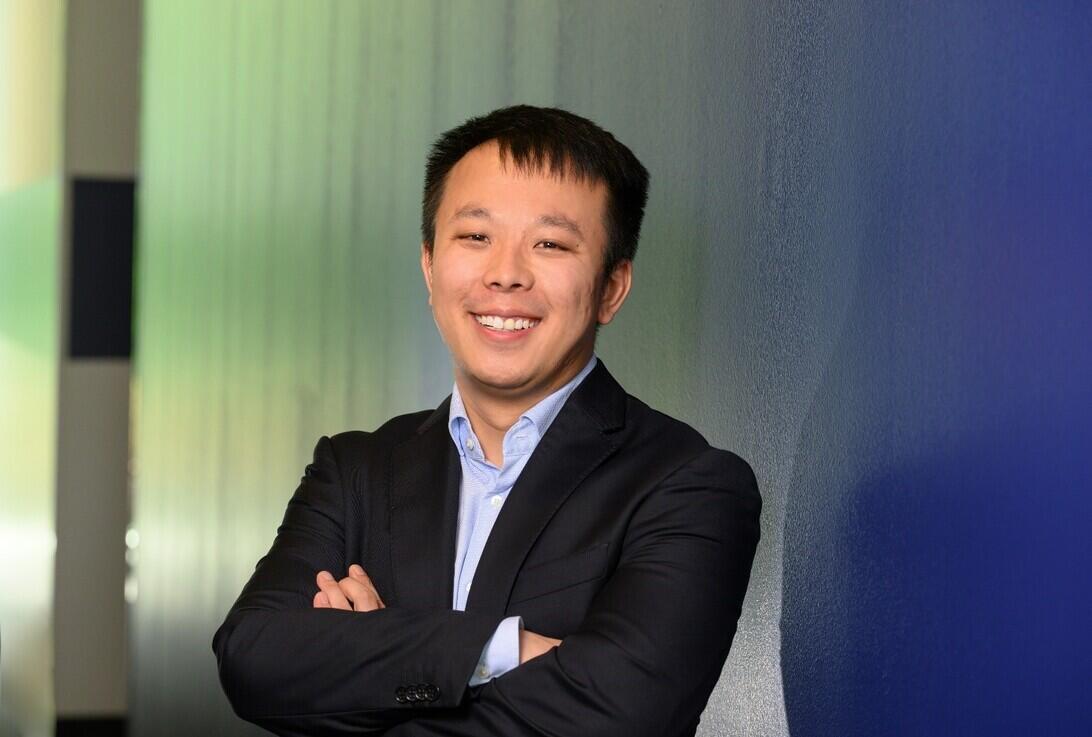
Professor Weihan Li, Inhaber der Juniorprofessur für „Artificial Intelligence and Digitalization for Batteries”. © David Ausserhofer
Professor Li vom Institut für Stromrichtertechnik und Elektrische Antriebe (ISEA) der RWTH Aachen University wurde erneut in die Liste der weltweit meistzitierten Wissenschaftler, den sogenannten „Highly Cited Researchers”, aufgenommen. Seine Arbeiten im Bereich der KI-gestützten Batterieforschung zählen demnach zu den einflussreichsten Publikationen weltweit.
Die Liste der „Highly Cited Researchers” wird jährlich von Clarivate Analytics veröffentlicht. Sie basiert auf dem Zitationsindex der Web of Science Core Collection und identifiziert Wissenschaftler:innen, deren Publikationen zu den meistzitierten ein Prozent ihres Fachgebiets und Publikationsjahres gehören. Zitationen fungieren in wissenschaftlichen Kontexten als Indikatoren für die Relevanz von Publikationen und werden als Maßstab für die Qualität der Arbeiten betrachtet. Die Sichtbarkeit eines Textes und damit auch die weltweite Wahrnehmung des Autors steigt mit der Häufigkeit seiner Zitierung. In der aktuellen Liste werden 7.131 Forschende aufgeführt, die nach Ansicht der Datenbank zu den einflussreichsten 0,1 Prozent der internationalen Forschungsgemeinschaft zählen.
Batterien stellen eine zentrale Technologie im Rahmen der Energiewende dar. Ihre Leistung ist maßgeblich für die Reichweite, die Sicherheit, die Lebensdauer und die Kosten während ihrer technischen Anwendungen verantwortlich. Professor Li untersucht, inwiefern sich Zustand und Leistungsfähigkeit von Batteriezellen bereits während der Produktion präzise prognostizieren lassen. Seit März 2025 hat er die Juniorprofessur für „Artificial Intelligence and Digitalization for Batteries“ an der RWTH Aachen inne. Seine Nachwuchsgruppe am Center for Ageing, Reliability and Lifetime Prediction of Electrochemical and Power Electronic Systems (CARL) entwickelt datenbasierte Modelle, digitale Zwillinge und automatisierte Diagnoseverfahren.
Das Ziel bestehe darin, der Batterie die Fähigkeit zur digitalen Kommunikation zu vermitteln, die durch Präzision und Echtzeitfähigkeit gekennzeichnet ist – an dieser Zukunft arbeitet Weihan Li.
Dabei wird sein Projekt „SPEED”: Schnelle Charakterisierung der Leistungsfähigkeit von Lithium-Ionen-Batterien aus der Produktionslinie mit maschinellem Lernen durch eine Förderung des Bundesministeriums für Forschung, Technologie und Raumfahrt in Höhe von 1,85 Millionen Euro im Rahmen des Wettbewerbs „BattFutur – Nachwuchsgruppe Batterieforschung” unterstützt.
Professor Li wurde in China geboren, schloss sein Studium der Fahrzeugtechnik an der Tongji University ab und kam 2014 an die RWTH Aachen, um den Master in Elektrotechnik und Informationstechnik und die Promotion am Institut für Stromrichtertechnik und Elektrische Antriebe (ISEA) zu absolvieren. Forschungsaufenthalte führten ihn an das Imperial College London, die University of Oxford und das Massachusetts Institute of Technology (MIT). Im Jahr 2021 schloss er seine Promotion mit Auszeichnung ab und gründete im darauffolgenden Jahr die Nachwuchsgruppe „Artificial Intelligence for Batteries“, die er auf 13 Doktorandinnen und Doktoranden ausbaute, unterstützt durch Industriekooperationen (ca. 40 % der Drittmittel) und die Infrastruktur des CARL mit über 6.000 Testkreisen, die eine verlässliche Datenbasis für die Modellierung mit KI liefern.
Der Wissenschaftler kann mittlerweile auf eine Reihe von Auszeichnungen und Preisen zurückblicken, darunter der Deutsche Studienpreis der Körber-Stiftung, der zu den höchstdotierten Preisen für Nachwuchswissenschaftler:innen in Deutschland zählt. Seine Publikationen umfassen 53 wissenschaftliche Artikel, zwei Monographien, drei Patente und über 40 betreute Abschlussarbeiten.
Für weiterführende Informationen bezüglich der Forschung sowie des Werdegangs von Professor Weihan Li sei auch auf die Website der RWTH Aachen University verwiesen.
Praktikumsmöglichkeiten in Singapur

Der Lehrstuhl für verteilte Signalverarbeitung der RWTH Aachen University ermöglicht in Zusammenarbeit mit seinem Partner in Singapur geförderte Auslandsaufenthalte im Rahmen seines 6G-Forschungsprogramms zu zukünftigen Kommunikationstechnologien.
Das öffentliche Institute for Infocomm Research (A*STAR I²R) in Singapur hat sich der Entwicklung von Innovationen im Bereich digitaler Technologien verschrieben. Die Forschungsagenda des Instituts ist dabei auf die Lösung konkreter gesellschaftlicher Herausforderungen ausgerichtet und verfolgt einen systemorientierten, multidisziplinären und transformativen Wissenschaftsansatz. In diesem Kontext kooperiert das Institut mit dem Lehrstuhl für verteilte Signalverarbeitung (DSP). Gemeinsam verfolgen sie das 6G-Forschungsprogramm zu zukünftigen Kommunikationstechnologien. Dieses umfasst Schlüsselbereiche von 6G- sowie darüber hinausgehende Netze. Zu nennen sind hier beispielsweise integrierte Kommunikation und Sensorik, KI-native Kommunikation und Netzwerke, neuartige Modulationsverfahren sowie Netzwerke und physikalische Systeme digitaler Zwillinge.
Für die Bewerbung um einen finanziell geförderten Forschungsaufenthalt im Rahmen der folgenden Programme wird interessierten Studierenden die Einholung einer Empfehlung des DSP nahegelegt:
Singapore International Pre-Graduate Award (SIPGA) – Bachelor- oder Masterstudierende bewerben sich für einen Aufenthalt von zwei bis sechs Monaten Dauer. Der aktuelle Bewerbungszyklus endet am 31. März 2025 um 23:59 Uhr GMT +8 (Singapur-Zeit). Der geplante Beginn des Aufenthalts liegt im Zeitraum September bis Dezember 2025.
A*STAR Research Attachment Programme (ARAP) – PhD-Studierende verbringen mindestens ein bis maximal zwei Jahre an A*STAR-Forschungsinstituten unter der gemeinsamen Aufsicht von A*STAR-Forschenden und Fakultätsmitarbeitenden ihrer Heimatuniversität.
Die Stipendien werden von der Agency for Science, Technology and Research (A*STAR), Singapurs führender öffentlicher Forschungs- und Entwicklungsagentur, angeboten. Als Wissenschafts- und Technologieorganisation verfolgt A*STAR das Ziel, die Kluft zwischen Wissenschaft und Industrie zu überbrücken, und nimmt eine Schlüsselrolle bei der Förderung von wissenschaftlichen Talenten und Führungskräften für die breitere Forschungsgemeinschaft und die Industrie ein.
Weitere Informationen erteilt Professor Haris Gacanin vom DSP unter folgender E-Mail-Adresse: harisg@dsp.rwth-aachen.de


