
Schlagwort: ‘DFG’
AIMS 2 – Interoperable Metadata in Research Data Management

Source: AIMS
Metadata is the backbone of research data management (RDM). It makes data discoverable, understandable, and reusable. But how can metadata be designed in such a way that it is both interoperable across disciplines and practical for use in specific disciplines? This is precisely where the DFG-funded project AIMS 2 (Applying Interoperable Metadata Standards) comes in. In this blog post, we take a closer look at the project and provide insights into its goals and priorities as well as the people involved.
GWK Decides to Continue Funding All Nine NFDI Consortia

Source: Freepik
On July 4, 2025, the Joint Science Conference (GWK) decided to continue funding all nine NFDI consortia from the first funding round. They will receive follow-up funding and will start the second project phase in October 2025. The federal and state governments will jointly provide around 92 million euros for this purpose until the end of 2028.
This decision is excellent news for the consortia involved and for everyone involved in research data management (RDM). The NFDI plays a central role in establishing a sustainable, interdisciplinary data infrastructure in Germany.
RDM and Good Scientific Practice: An Inseparable Connection

Source: Martin Braun
Research data is the backbone of every scientific endeavor. However, the collection, documentation, and publication of research data is only useful if it adheres to the principles of Good Scientific Practice (GSP). These principles ensure scientific integrity and the quality of research. A central component of GSP is the proper handling of research data, which plays an important role in research data management (RDM).
New RDM Guideline at RWTH Aachen University

Source: IT Center RWTH Aachen University
At its meeting on June 18, 2024, the rectorate of RWTH Aachen approved the new version of the RDM guideline on the recommendation of the RDM advisory board. In this article, we discuss the background and the most important innovations of the new guideline.
From Data Inventory to Data Management Plan
Source: Freepik
Note: The blog post was written by Katharina M. E. Grünwald and therefore has a personal character. She works as a data steward at the RWTH IT Center. Have fun reading!
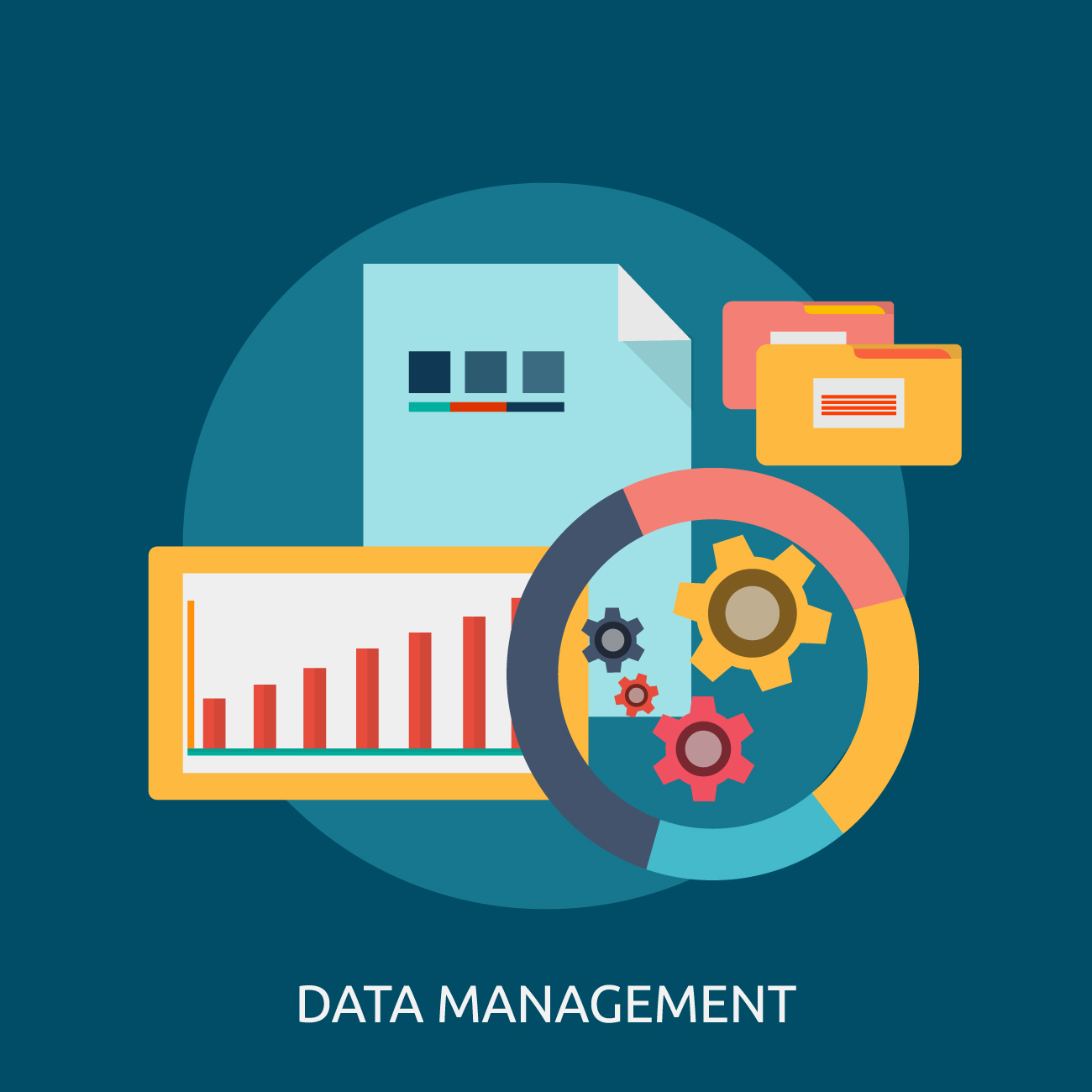
You are about to start your doctoral thesis, the topic has been decided and you know when everything will start. But suddenly you hear that you also need to have good research data management (RDM) if you want to comply with modern good scientific practice. Your department has special data formats, you have to complete a data management plan (DMP), RWTH Aachen University offers services such as Coscine and the German Research Foundation (DFG) also has guidelines on what it considers to be good RDM. Quite a mess… and now?
Don’t worry – we got you. In this blog post, you will learn in two easy-to-apply steps how to get an overview of the chaos and understand the structure behind it.
FDM in DFG-Anträgen
Seit dem letzten Jahr sind Angaben zum Umgang mit Forschungsdaten in DFG-Anträgen verpflichtend und fließen in die Begutachtung ein – auch bei einfacher Sachbeihilfe. Aber wie sieht das konkret aus und was erwartet die DFG von Ihnen? Zusammen mit der Abteilung 4.2 – Drittmittelmanagement möchten wir das im kommenden FDM II-Modul vertiefen:
Forschungsdatenmanagement in DFG-Anträgen – was Forschungsförderer erwarten
22. Februar 2023 | 10:00-12:00 Uhr
Die ausführliche Kursbeschreibung und Anmeldeoption <https://www.rwth-aachen.de/go/id/mkbr/file/5-40166/> finden Sie in der Veranstaltungsdatenbank <https://www.rwth-aachen.de/go/id/mkbr/file/5-40166/>.
Online Workshop – Forschungsdatenmanagement in DFG-Anträgen
Am 22. Februar 2023 findet der Online Workshop “Forschungsdatenmanagement in DFG-Anträgen – was Forschungsförderer erwarten (FDM II-modular)” von 10:00 – 12:00 Uhr statt.
Die Veranstaltung ist Teil einer Serie von Vertiefungsmodulen zum Forschungsdatenmanagement (FDM II – modular), die regelmäßig im Monatsrhythmus angeboten werden. Die Module stehen gleichwertig nebeneinander und können unabhängig voneinander besucht werden. Die Grundlagen zum FDM und welche Infrastruktur-Angebote der RWTH Aachen University Sie dabei unterstützen finden Sie im Moodle-Kurs „Überblick zum Management von Forschungsdaten (FDM I – online)“
Der Online-Workshop beinhaltet einen Informations-Teil und eine interaktive Hands-on-Session.
Informationsteil:
- Förderstruktur DFG
- Antragsprozess DFG-Sachbeihilfe
- Neue Lebenslaufvorlage mit Eingabemöglichkeit für Daten-und Softwareprodukte
- Kosten FDM, Projektmittel und Grundausstattung
- Wegweiser zur Unterstützung im Antragsprozess an der RWTH
Hands-on-Session:
- Diskussion und Feedback zur Darstellung des FDMs im Antrag
Weitere Informationen zum Termin und zur Anmeldung entnehmen Sie der Veranstaltungsdatenbank der RWTH Aachen.
The Series of Successes Continues – Funding for Consortia With RWTH Participation Approved
Source: nfdi.de
At the end of the year, there is not only something new to announce from the National Research Data Infrastructure (NFDI), but also reason to rejoice for RWTH Aachen University. After we reported on the funding recommendation of the Deutsche Forschungsgemeinschaft (DFG) in July, the final decision on the future funded consortia of the 3rd round was made last month.
This Was the Research Data Day 2022 – A Review of the Morning Program Across Different Locations

Lighthouse RDM: Orientation in the data sea
Source: fdm.nrw
After last year’s great success, the Day of Research Data in North Rhine-Westphalia (NRW) entered its second round on November 15, 2022 under the motto “Lighthouse RDM: Orientation in the data sea”. The event started with the digital morning program across different locations. We were there again this year and have summarized the program for you.
Changes at the DFG – Uniform Template for the Curriculum Vitae

Source: Freepik
In order to initiate a cultural change in science evaluation and improve equal opportunities in this context, the Deutsche Forschungsgemeinschaft (DFG, German Research Foundation) has put together a corresponding package of measures. As a result, the DFG is changing the application forms and introducing a uniform and mandatory template for CVs. In the new RDM blog post, we take a closer look at the innovations and the reasons behind them.