
Kategorie: ‘IT-Security’
IT-SAD: IT Security Awareness Days 2021!

Online and without any registration – the IT Security Awareness Days 2021
Source: TU Braunschweig
Trustworthy IT infrastructure is essential these days, especially when it comes to IT security. But did you know that most cyber attacks take advantage of human vulnerabilities? Terms like social engineering and (spear-)fishing are becoming more and more popular. In other words, IT security is not limited to the implementation of a solid IT infrastructure. In fact, the human factor can be the greatest vulnerability. Accordingly, it is particularly crucial to involve every single user and to educate them about the various threats.
Safety First – Secure logout with RWTH Single Sign-On
Source: Own illustration
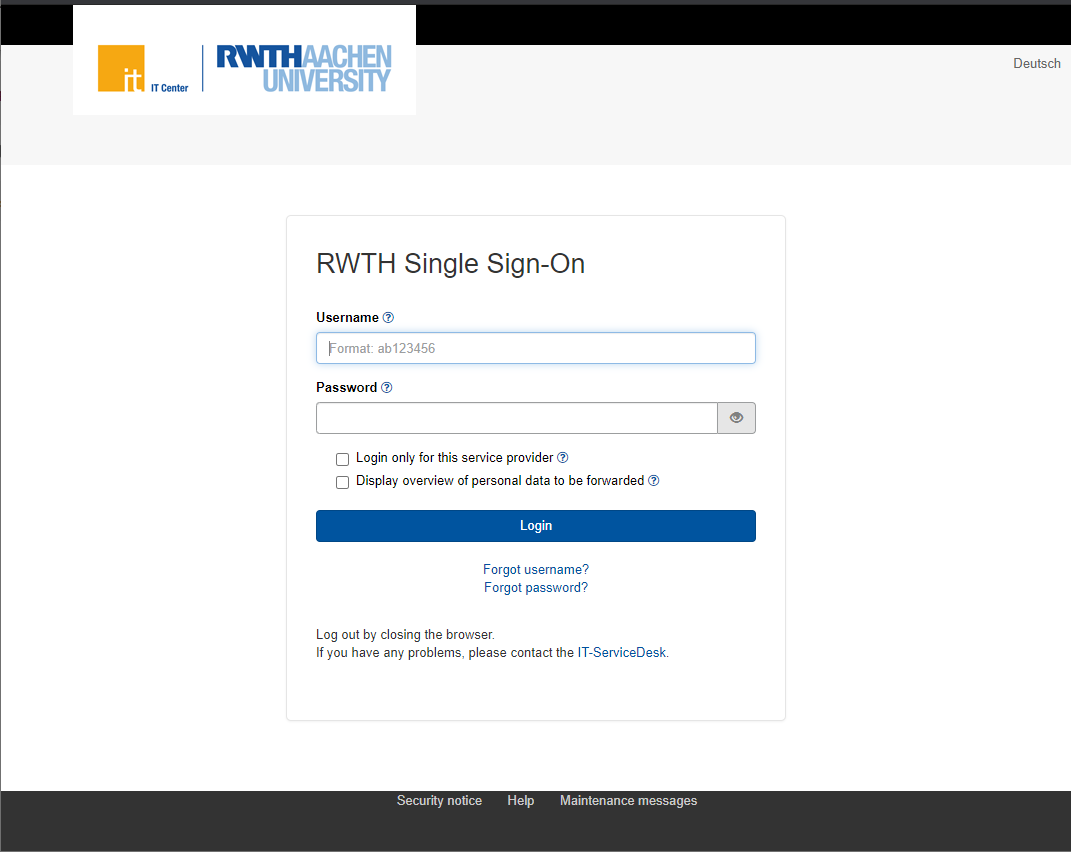
Everyone who studies or works at RWTH knows it: the RWTH Single Sign-On.
This is not a dating service, but an application with which you can log in to almost all RWTH services. What is particularly charming is that you do not have to remember an infinite number of access data, but only one user name and the corresponding password.
In addition, RWTH Single Sign-On recognizes if you are already logged in to a service, for example RWTHonline. If you then log in to RWTHmoodle, RWTH Single Sign-On waves the user through directly using the underlying “Shibboleth” application.
Better Safe Than Sorry – Multifactor-Authentication
Source: Pixabay
In the context of the current pandemic and the latest massive cyberattacks, IT security is more relevant than ever in our daily lives. With many people working from home and using cloud applications to access corporate data, the risk of unauthorised access to this data is growing. . Passwords can be stolen in various manners, ranging from looking over one’s shoulder, a break-in at a service provider on the Internet to malware. Passwords are particularly susceptible to being stolen. Additionally, if you use the same password for multiple services, the quantity of stolen data might be massive. What can we do to ensure our data remains secure?
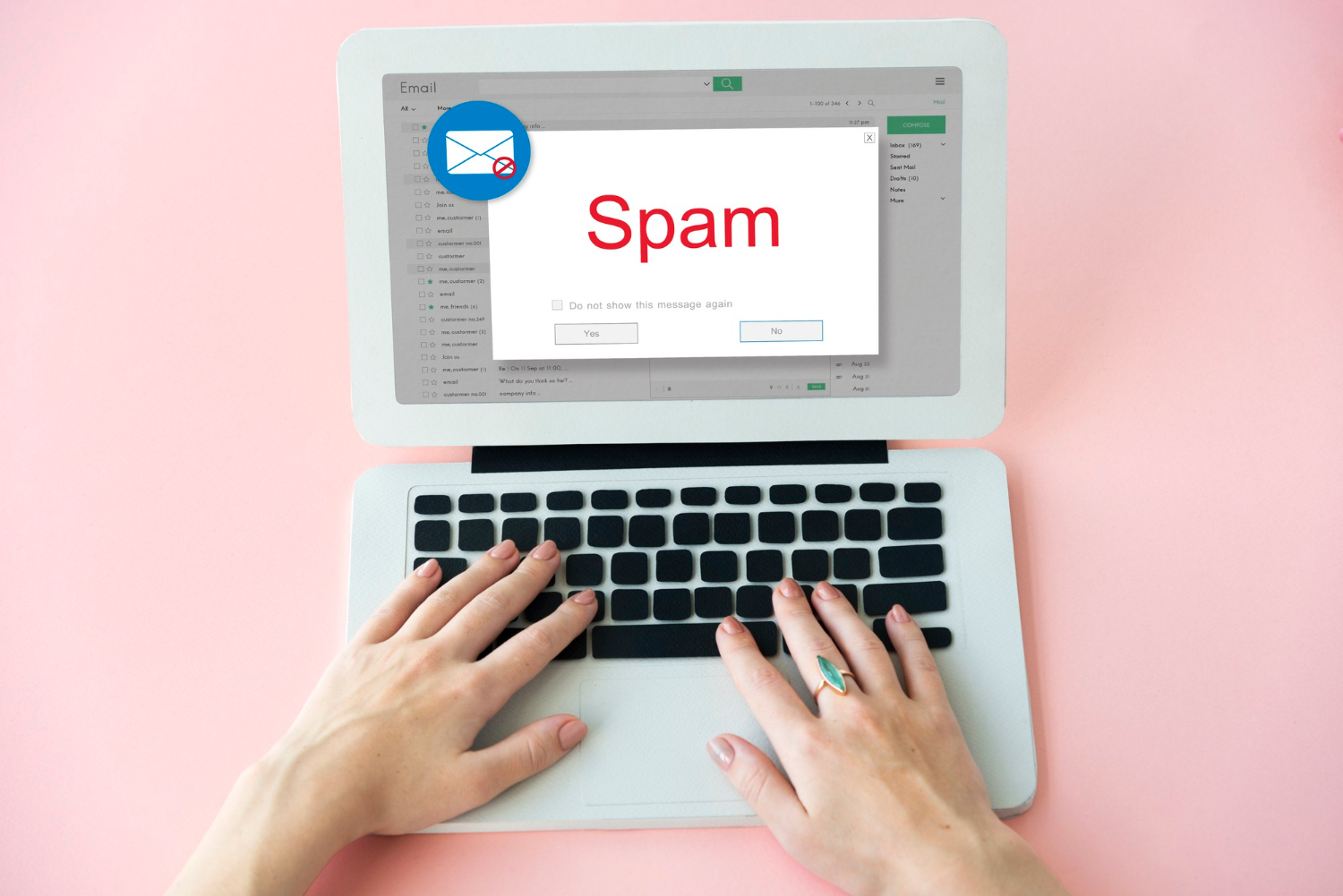
RWTH mails in the spam folder – why do they end up there and what you can do about it?
Source: Freepik
The spam folder – that place to which undesired emails are banished. This is exactly what the term “spam” refers to: e-mails that you don’t want to receive, which nonetheless keep finding their way into our inbox. Generally, the spam folder is a preset folder provided by the e-mail client, into which unsolicited e-mails are automatically moved with the help of anti-spam software. In fact, most of the time this sorting out works quite well.
(Deutsch) Wie kommt der Banking-Trojaner zu mir? Per E-Mail? NEIN: per SMS!
Macros – Small word, big risk

Source: Unsplash
Every now and then you hear and read about macros in Office applications, about documents in which macros are included. These are often sent by e-mail and can lead to dangerous security incidents.
Of course, RWTH Aachen University and the IT Center have taken security measures in this regard. But not everyone is aware of what macros actually are and how dangerous they are not only for private individuals but also for companies. In the following, we will inform you about the most important risks and explain how you can protect yourself.
(Deutsch) DFN-AAI sichert den kontrollierten Zugriff auf geschützte Ressourcen
Submission of DFN certificate requests possible again
As of today, January 11, 2021, it will once again be possible to submit DFN user and server certificate applications in person at the IT Center. Applications will be accepted as usual at Seffenter Weg 23 at the upper entrance. In order to drop off your user and server certificate applications in person, you need to book an appointment via our appointment scheduler.
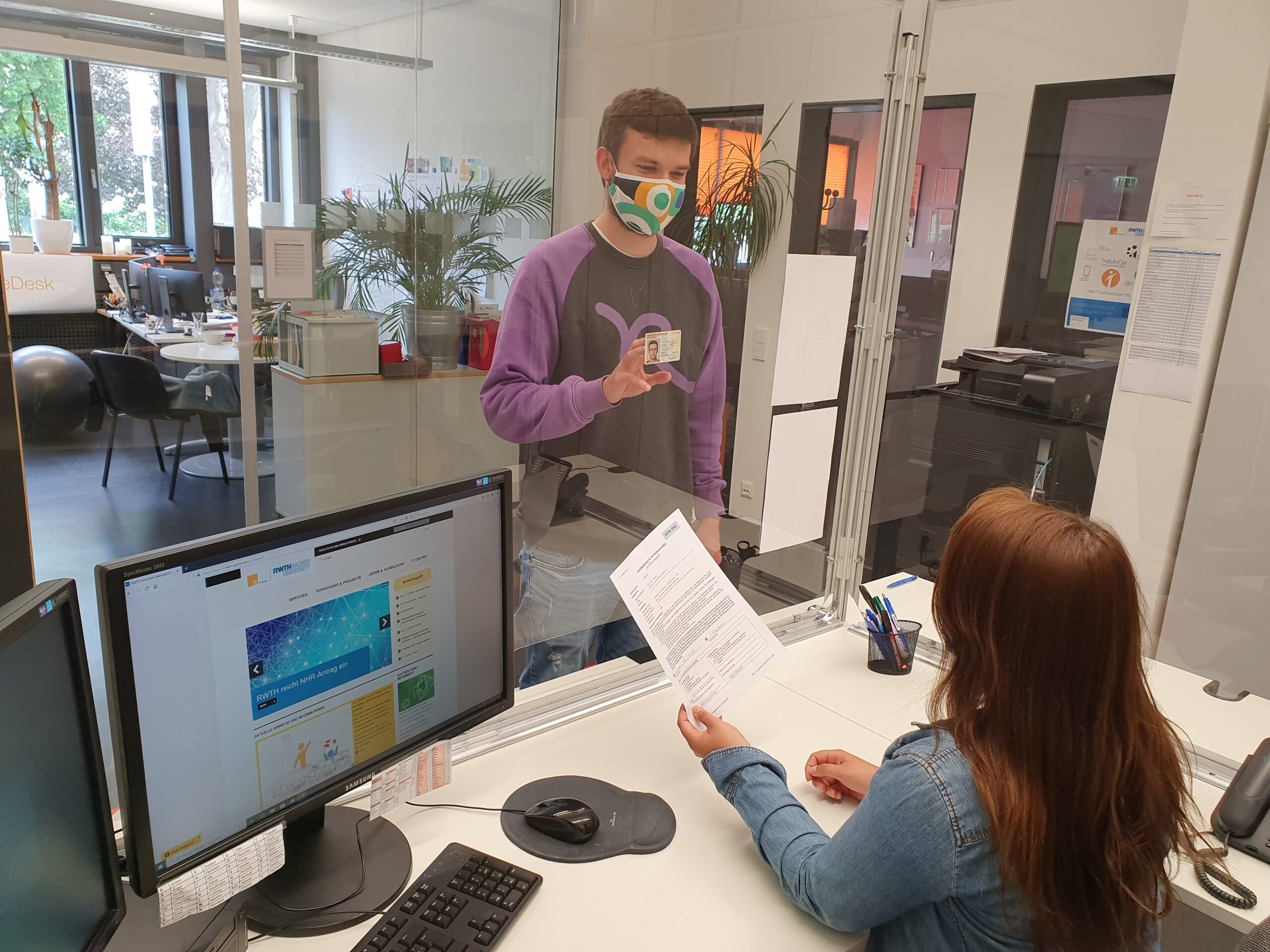
Do not forget: Certificate applications only upon presentation of an official, valid photo ID!
Source: Eigene Darstellung