
Kategorie: ‘Insight IT Center’
From Vision to Reality: The 2026 DINI and ZKI Conference
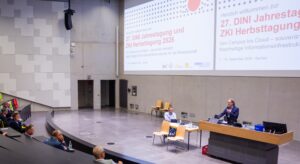
The conference begins! (Source: IT Center)
How an Idea Became the 2026 DINI and ZKI Conference in Aachen
Four days, nearly 400 participants, numerous program items, many helping hands, and more than a year of preparation: From September 7 to 10, 2026, the IT Center, together with the University Library of RWTH Aachen, hosted the 27th DINI Annual Conference and ZKI Fall Conference.
Under the motto “From Campus to Cloud—Confidently Connected,” representatives from universities, libraries, data centers, and other institutions gathered to discuss sustainable information infrastructures for academia, exchange experiences, and look toward the future together.
Together, Nicole Kaminski and I spent many months developing concepts, discussing options, discarding ideas, rethinking them, and constantly shifting our perspective: What does an event with around 400 participants need? What makes a good conference? And above all: How should this conference feel for the people coming to visit us in Aachen?
After all, our goal from the very beginning was not simply to organize venues, technology, and catering. We wanted to create a setting where professional exchange, personal encounters, and the unique characteristics of Aachen and RWTH come together.
From Idea to Reality
An event of this magnitude doesn’t come together in just a few weeks. Preparations began a full year before the actual event date.
The venue, catering, technology, sponsorship, guest management, supporting program, guided tours, evening events, room planning, logistics, and countless other details had to be not only planned but also coordinated with one another.
A change in the number of participants affects the catering. An additional program item requires a room. A room requires technical equipment, seating, signage, and, if necessary, hosts. A sponsor area needs electricity, furniture, and logistics. And a small change in the program can quickly lead to several other adjustments.
Our central question, therefore, was always:
What should the participants ultimately take away from the event?
The participants should not only listen to presentations but also get to know RWTH, the IT Center, the University Library, and Aachen. The sponsors should be visible without the exhibition feeling out of place. And between program items, there should be enough time set aside for conversations, encounters, and spontaneous interactions.
With the C.A.R.L. Lecture Hall Center, we had a special venue right in the middle of the RWTH campus. The large H03 lecture hall provided space for the numerous keynotes, presentations, and panel discussions, while the seminar rooms were used for working groups, workshops, and smaller meetings. The foyer served as the central gathering area with catering and sponsor booths.
At the same time, we had to bring together the different perspectives and requirements of DINI e.V., ZKI e.V., the RWTH University Library, and the IT Center.
For us, this kind of cross-functional coordination is one of the most exciting aspects of event organization—and at the same time, one of the most challenging. Many participants bring their own experiences, expectations, contacts, and ideas to the table. The task of the event management team is then to weave these into a common thread.
Our motto was also part of this concept:
“From Campus to Cloud – Confidently Connected”
It not only describes the thematic scope of the conference—from traditional campus infrastructures to research data and digital services, all the way to cloud technologies and digital sovereignty.
It also describes, to some extent, what we wanted to achieve with the event: connecting people, topics, and institutions.
The program committee, which met regularly in the run-up to the event—most recently every two weeks—brought together perspectives and contacts from the IT Center, DINI e.V., ZKI e.V., and the RWTH University Library. Together, they created a diverse program featuring keynotes, presentations, a panel discussion, and workshops.
But a program can look perfect on paper—it has to work in practice.
Where and when do participants move between rooms? How much time is needed for transitions? When do we offer guided tours? Where do people gather during breaks? When does catering need to be restocked? Which rooms need to be staffed simultaneously? What happens if the crowd at the reception or catering area gets too large? What backup plan do we have for the technology? Where does signage need to be placed? Which fire safety regulations must we comply with? How do we assign our volunteers? Is the budget covered, and are our cost estimates accurate?
The audience doesn’t ask these questions. For us, they’re part of the day-to-day reality of organizing an event.
Getting to Know Aachen – and Experiencing RWTH
From the very beginning, it was important to us that the conference not take place in just any convention center.
It was to take place in Aachen and right in the heart of RWTH.
That’s why guided tours and insights into the IT Center and the university library were an important part of the concept.
Aachen itself was also meant to be part of the conference. During a city tour, participants were able to explore the city on their own using an audio guide created by the event team. This deliberately created a connection between the technical venue and what Aachen has to offer outside the lecture hall complex.
The two evening events were also part of our concept. Thanks to the support of our sponsors, we were able to bring our guests together at LIEBIG and in the Tivoli Business Lounge.
After a long day of presentations and discussions, the focus here shifted to something different: casual conversations, socializing, and a more relaxed atmosphere.
For us, moments like these are an essential part of a successful conference. After all, sometimes the most valuable exchanges take place in such a relaxed atmosphere following an inspiring day.
Sponsorship – and the Idea Behind the Sponsor Rally
An event with several hundred participants isn’t possible without strong partners.
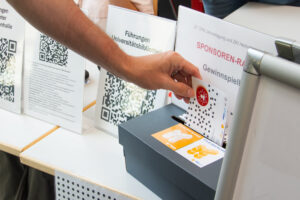
A completed rally card is placed in the raffle box. (Source: IT Center)
Numerous companies supported the conference as sponsors and showcased themselves with their booths at C.A.R.L.
This raised a very practical question for us:
How can we ensure that the exhibition area isn’t just something participants walk past on their way to get coffee?
The answer was our sponsor rally.
A short puzzle encouraged participants to actively explore the sponsor booths. Anyone who solved the puzzle and figured out the correct answer could enter the final raffle.
This turned a traditional exhibition space into a small program highlight.
And from our perspective, this example illustrates quite well what event organization is often all about: A good idea doesn’t have to be huge. What matters is whether it adds value in the right place. In the end, we had numerous completed rally cards in our raffle box and were able to draw three lucky winners.
What the Participants Don’t See
A large part of an event takes place without the guests ever noticing it.
When a neatly prepared event space is ready in the morning, no one sees the coordination that went into making that moment happen.
No one sees the floor plans, the delivery schedules, the electrical connections, the technical setups, the cohesive event design—tailored specifically for the DINIZKI conference—reflected in every printout and every sign, the catering quantities, or the question of where to temporarily store which materials.
The many sponsorship agreements that were drawn up and the creation of the various sponsorship concepts, the management of the event software through which guest registration, the event website, and the program run, as well as Excel spreadsheets upon Excel spreadsheets….
At an event lasting several days, numerous lists and planning updates quickly pile up: room assignments, volunteer schedules, catering, technology, sponsorship, deliveries, points of contact, attendance figures, guided tours, orders, and the budget—as well as many other details.
Then there’s the logistics: materials are delivered, rooms are prepared, sponsor booths are set up, technology is installed, name tags are sorted, and event materials are distributed.
And then comes the moment when planning becomes reality.
When spreadsheets turn into people
That’s why, for us, the most exciting moment always comes just before the event begins.
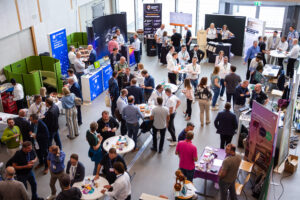
Breaks were used to visit the sponsor booths. (Source: IT Center)
After months of emails, coordination meetings, concepts, and spreadsheets, you suddenly find yourself standing in the foyer of the C.A.R.L.—not for a site visit, but for the start of the event.
Setup begins. The first participants arrive. Name tags are handed out. All volunteers know what to do. The first conversations begin. People are stopping by the coffee station. Attendees are finding their rooms. Sponsors are welcoming the first guests.
And suddenly, the names on the guest lists become real people. It is precisely at this moment that an event becomes tangible.
However, event planning doesn’t mean being able to control everything down to the smallest detail. Rather, it means being so well-prepared that you can also react to the unexpected.
Behind the event management team stands a large team
A conference of this magnitude cannot be organized alone. In addition to the event management team, numerous colleagues from a wide variety of fields were involved—from technology and administration to financial management, communications, and design, all the way to the many on-site volunteers.
They manned the reception desk, escorted guests, assisted with guided tours, managed the technology and venues, answered questions, helped with last-minute changes, and ensured in many ways that the proceedings felt as seamless as possible for the participants.
Special thanks therefore go to everyone who took on responsibility and pitched in before, during, and after the event.
Collaboration with the organizers was also crucial to the success of the conference. The program committee contributed numerous contacts, ideas, and insights and helped put together a program that was both thematically diverse and of high quality.
From September 7 to 10, 2026, the results of more than a year’s work became evident. Around 400 people from the academic community and various companies came to Aachen. They attended presentations, engaged in discussions, participated in workshops, learned about new technologies, shared experiences, explored the city, and spent time together.
For us as event organizers, these four days also meant four days of constant focus on all the things we had envisioned a year earlier.
All’s well that ends well?
The final program item was over. The lecture hall began to empty. Name tags disappeared from the lanyards, and the foyer at C.A.R.L. slowly fell silent again.
For most participants, the conference was over. For us, it was far from over.
Materials had to be sorted, rooms restored to their original state, equipment packed up, and outstanding organizational issues resolved. Sponsor documents had to be followed up on, invoices reviewed, and attendance figures analyzed.
Added to this are all the tasks that were deliberately put off until later during the event because other responsibilities took priority at the time. Only when these items are also taken care of is an event truly over for the event management team.
What remains?
So when we look back today on the past few months, it’s not just the program items, presentations, and evening events that remain.
Above all, it’s the encounters that remain. The conversations in the lobby. Reunions with familiar contacts. People who met for the first time. Guests who got to know Aachen for the first time. The many small moments that aren’t on any schedule but still make up a large part of an event.
And, of course, there’s also a very personal moment: More than a year earlier, there was just an idea. Then came concepts, dates, budgets, floor plans, coordination, emails, phone calls, changes, decisions, and eventually a great deal of concrete event material. And finally, around 400 people gathered at the C.A.R.L.
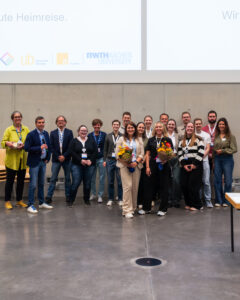
Teamwork makes the dream work! (Source: IT Center)
A vision had become reality.
“From Campus to Cloud—Confidently Connected” wasn’t just our event motto. It describes what made this DINI/ZKI conference special: connecting people and institutions, exchanging knowledge, and reflecting together on the future of digital research infrastructures.
As event organizers, there’s one thing above all that we take away from this experience:
A successful conference built on teamwork.
It requires good preparation, clear communication, trust, flexibility, and people who are willing to take responsibility when it counts.
And sometimes it also requires the ability to keep five things in mind at once—while appearing completely relaxed on the outside.
We therefore look back on these four days of the event not only with relief, but above all with pride. Pride in the result. Pride in our team. Pride in our collaboration with our partners. And pride in the many happy faces we were able to see during these days.
In the end, the best part of event management is:
You start with an idea.
And before you know it, you’re right in the thick of it.
Many thanks to everyone who contributed to this successful 27th DINI Annual Conference and ZKI Fall Conference 2026 in Aachen!
Dunja Gath is responsible for the content of this post.
Fall Festival 2026 – New Name, Same Tradition
Source: Own illustration
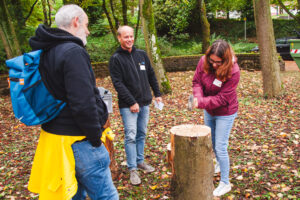
On October 9, 2026, the IT Center Fall Festival took place. This year, for the first time, the traditional Oktoberfest became the IT Center Fall Festival. New name, same concept: bringing IT Center employees together to celebrate a wonderful festival. This year without traditional costumes, but with just as much fun.
IT Center Apprentices as Training Ambassadors

Source: Own Illustration
What comes after school? Apprenticeship, college, or something completely different for now? For many students, deciding on their own career path isn’t easy. That’s exactly where the “NRW Apprenticeship Ambassadors” project comes in: Trainees visit schools and share firsthand accounts of their apprenticeship programs, their day-to-day work, and their personal journey into apprenticeship. The IT Center is also participating in the project—with three apprentices who share their experiences with students.
From Campus to Cloud – Four Days of Exchange, Innovation, and Networking
Source: Own Illustration
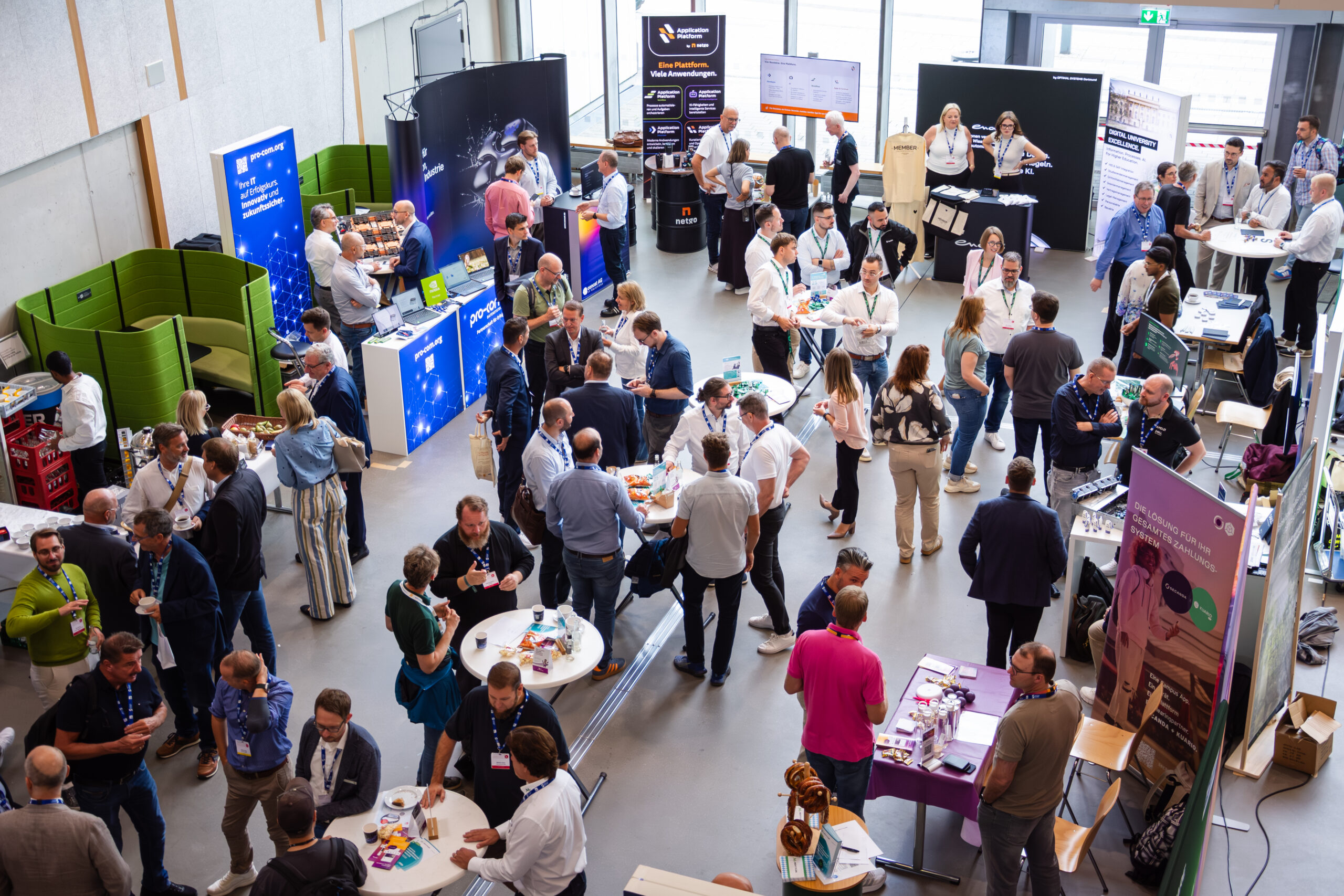
Four days, numerous presentations, exciting tours, in-depth discussions, and plenty of new insights: From September 7 to 10, 2026, the 27th DINI Annual Conference & ZKI Fall Conference took place at RWTH Aachen University under the theme “From Campus to Cloud – Confidently Connected.”
Together with the RWTH University Library, the IT Center co-hosted this year’s conference. At C.A.R.L., experts from universities, research institutions, and the IT sector came together to discuss current developments, share experiences, and take a joint look at the digital future.
SysAdmin Day 2026: A Quick Peek Behind the Scenes
Source: Own illustration
Today, July 31, marks another SysAdmin Day, a day on which we’d like to thank system administrators for their important work. From workstations to servers, networks, and applications, sysadmins ensure that everything runs smoothly every day and often solve problems before anyone even notices them. Our colleague Peter took a lighthearted look at the daily work of an IT admin. Was it satire and what is reality? Much of what he describes is actually closer to everyday work life than we’d sometimes like to admit.
IT Center Summer Party 2026: Celebrating Summer Together
Source: Own Illustration
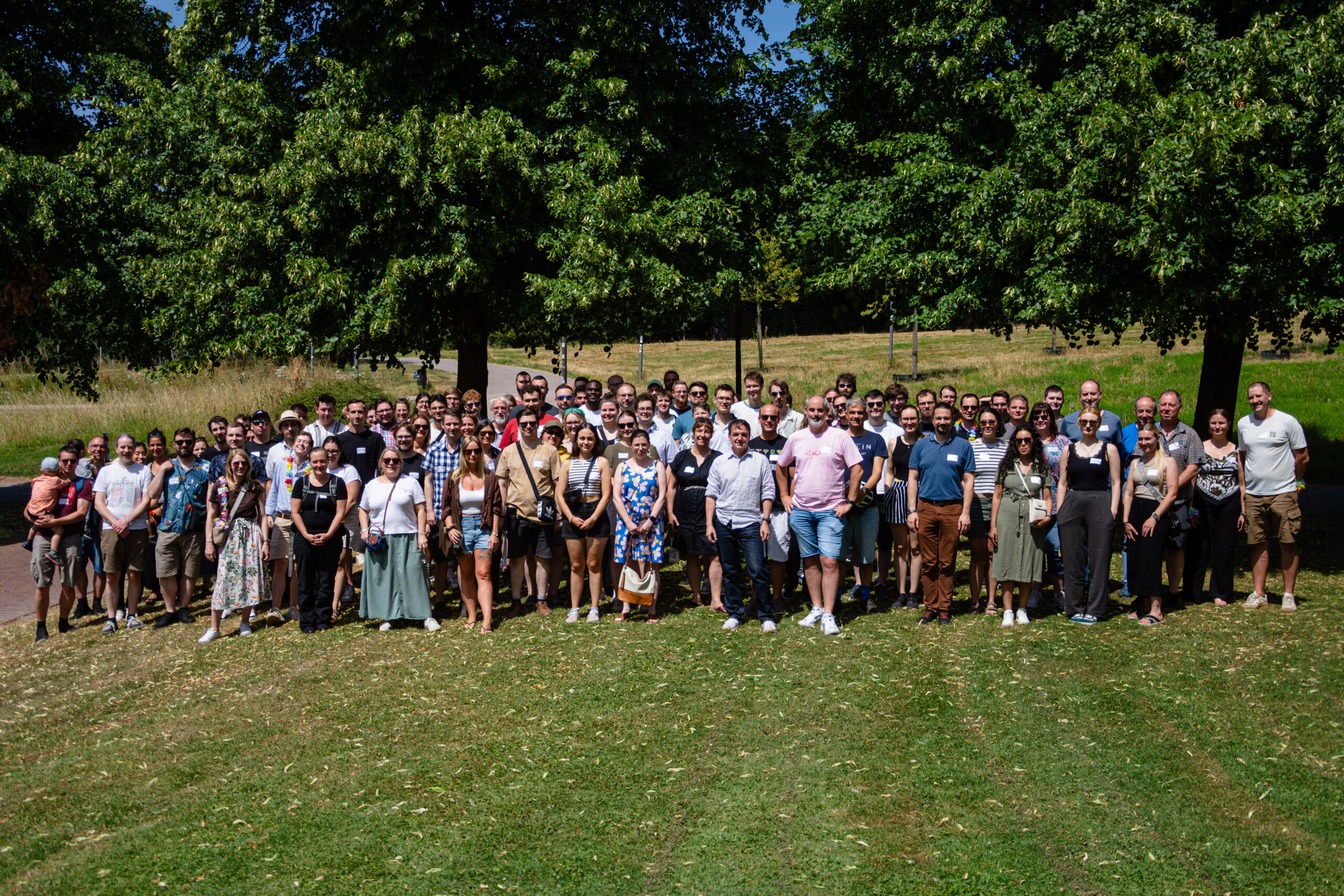
Summer, sunshine, and a great atmosphere – the perfect conditions for the IT Center Summer Party 2026. In glorious weather, employees, trainees, and student assistants gathered at Wendlingweg to spend an eventful afternoon and evening together. Amid cool drinks, delicious food, and plenty of conversation, there was, of course, also time for games, fun, and group activities.
The IT Center at the 13th Aachen Company Run
Source: Own Illustration
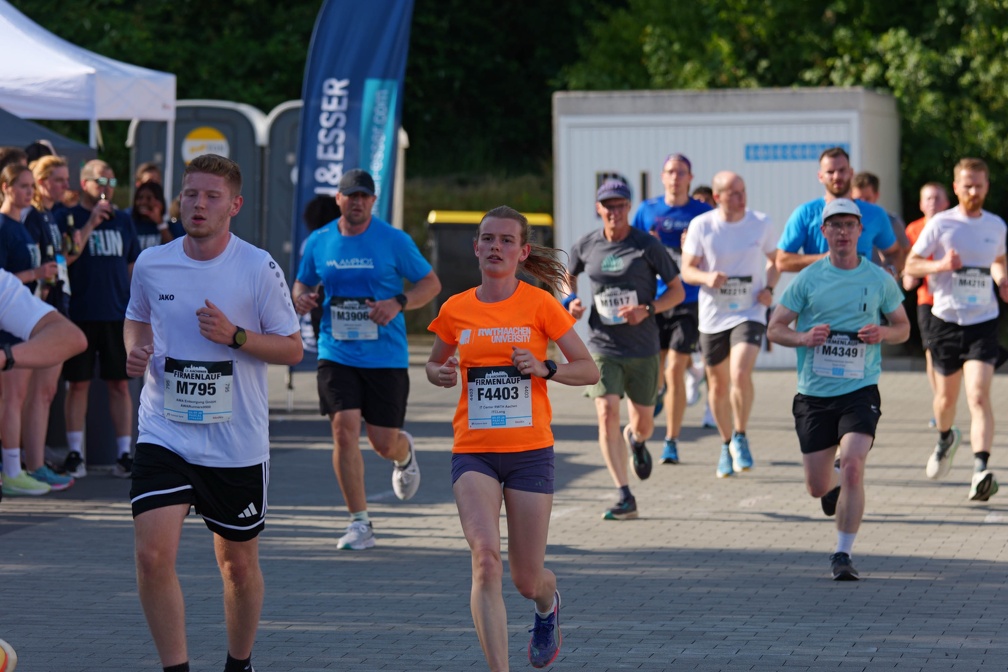
The IT Center was once again represented at this year’s Aachen Company Run. The 13th Aachen Company Run did not take place at the end of September as usual, but instead on Friday, July 3, 2026. Due to construction work at the event site, the run was moved to early summer.
IT Center Satisfaction Survey 2025 – The Results Are In!

Source: Own illustration
In October and November 2025, we conducted our annual IT Center Satisfaction Survey, in which all members of the RWTH Aachen University were able to rate the services and support offered by the IT Center.
In the survey, we also asked you for suggestions for improvement, which have already been reviewed and analyzed by our various teams and groups over the past few months.
HPC Insights from SCA/HPCAsia 2026

Source: Own illustration
The SupercomputingAsia (SCA) is the largest conference in the field of high-performance computing (HPC) for the global supercomputing community in Asia. This year, the SCA was jointly hosted with the International Conference on High Performance Computing in the Asia-Pacific Region (HPCAsia) in Osaka, Japan. More than 2,500 participants from 45 countries and regions attended SCA/HPCAsia 2026 to discuss current research results, technological developments, and future trends in supercomputing. Keynote speakers highlighted important developments for the convergence of HPC, AI, and Quantum Computing.
The IT Center was represented by three participants, who exchanged ideas with international experts and made strong contributions to the conference’s workshops by presenting current research results on HPC & AI and energy efficiency.
A New Generation of Phishing: Why Potentially Harmful Emails Get Past the Spam Filter

Source: Own illustration
RWTH has a robust email security infrastructure: efficient spam filters and reliable protection mechanisms ensure that large volumes of unwanted messages never even reach our inboxes. Nevertheless, spam and phishing emails have increasingly been finding their way into personal and work RWTH inboxes as “undetected” messages. So, what mechanisms cause even the most reliable spam filters to fail to intercept every suspicious message?