Kategorie: ‘Support, Services & Updates’
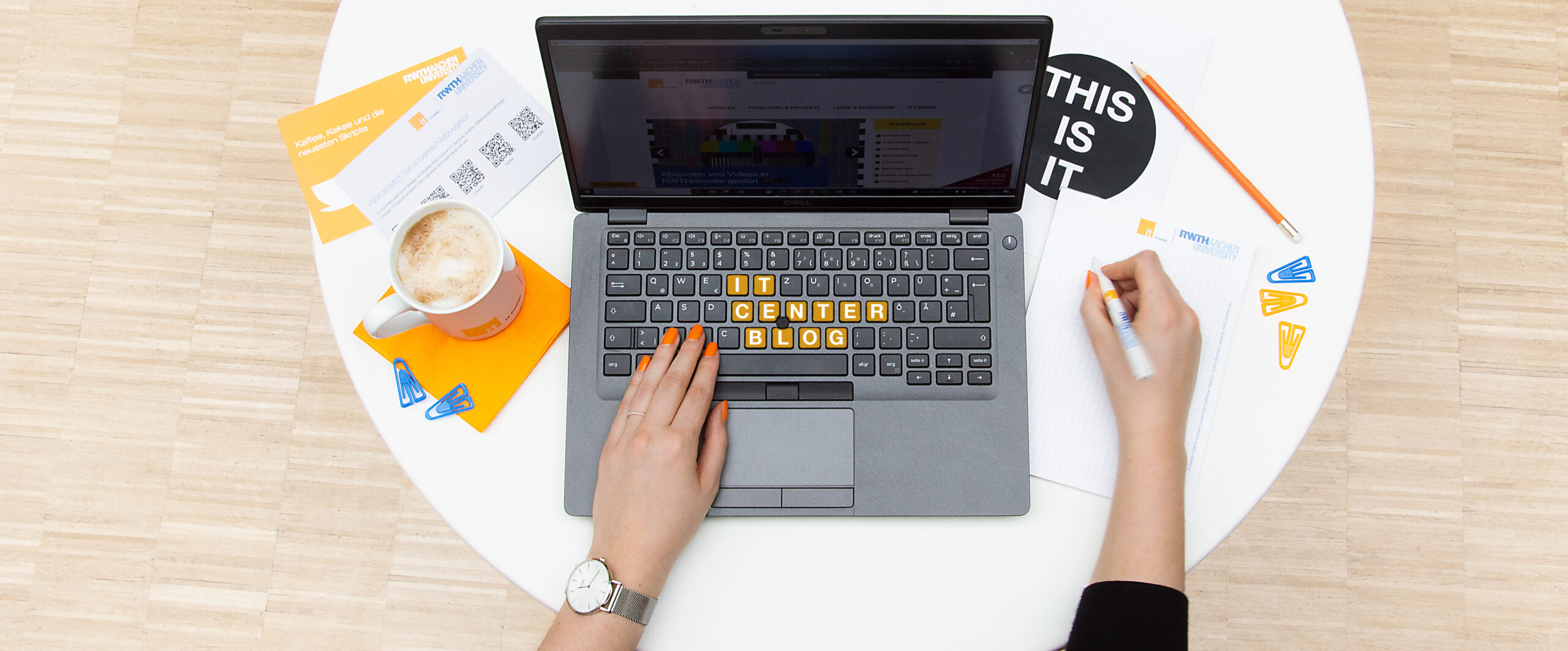
Facelift 2022 – The IT Center Blog Relaunch

Announcement for our blog relaunch
Source: Own illustration
NOW ONLINE! Since 2015, we have been providing you with useful information about our IT services for your studies or your work at RWTH Aachen University on our blog. With fun & facts on various topics, we lighten up your everyday life at university. After seven years, a relaunch was due and our beloved blog got a facelift. What changes can you see?
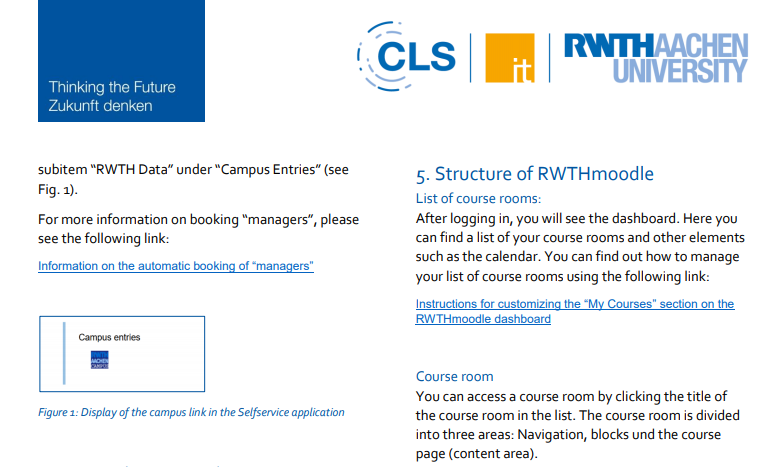
The new Quick Guide for RWTHmoodle
Source: Own illustration
RWTHmoodle is the central teaching and learning platform of RWTH Aachen University. In order to help new and prospective lecturers quickly familiarize themselves with the use of RWTHmoodle and the most important functions for the start with the platform, we have created a Quick Guide for the introduction to RWTHmoodle. This Guide leads new employees through the most important instructions that are particularly helpful for working with RWTHmoodle.
Macros – E-mail Filtering at RWTH

Source: Pixabay
E-mails are a major gateway for cyberattacks. These attacks are no longer isolated incidents and are part of our everyday life. Especially the spreading of malware through attached documents with macros are very popular among cyber criminals. These macros can for example contain hidden malware. If the recipient activates these macros when opening the document, any malicious software they may contain can cause great damage. For this reason, a protection mechanism for e-mail macro filtering was installed for the RWTH e-mail service on November 16, 2021. Office documents are the most used, but also PDFs, e.g. containing form fields. Read the rest of this entry »
Enrolled – and now?
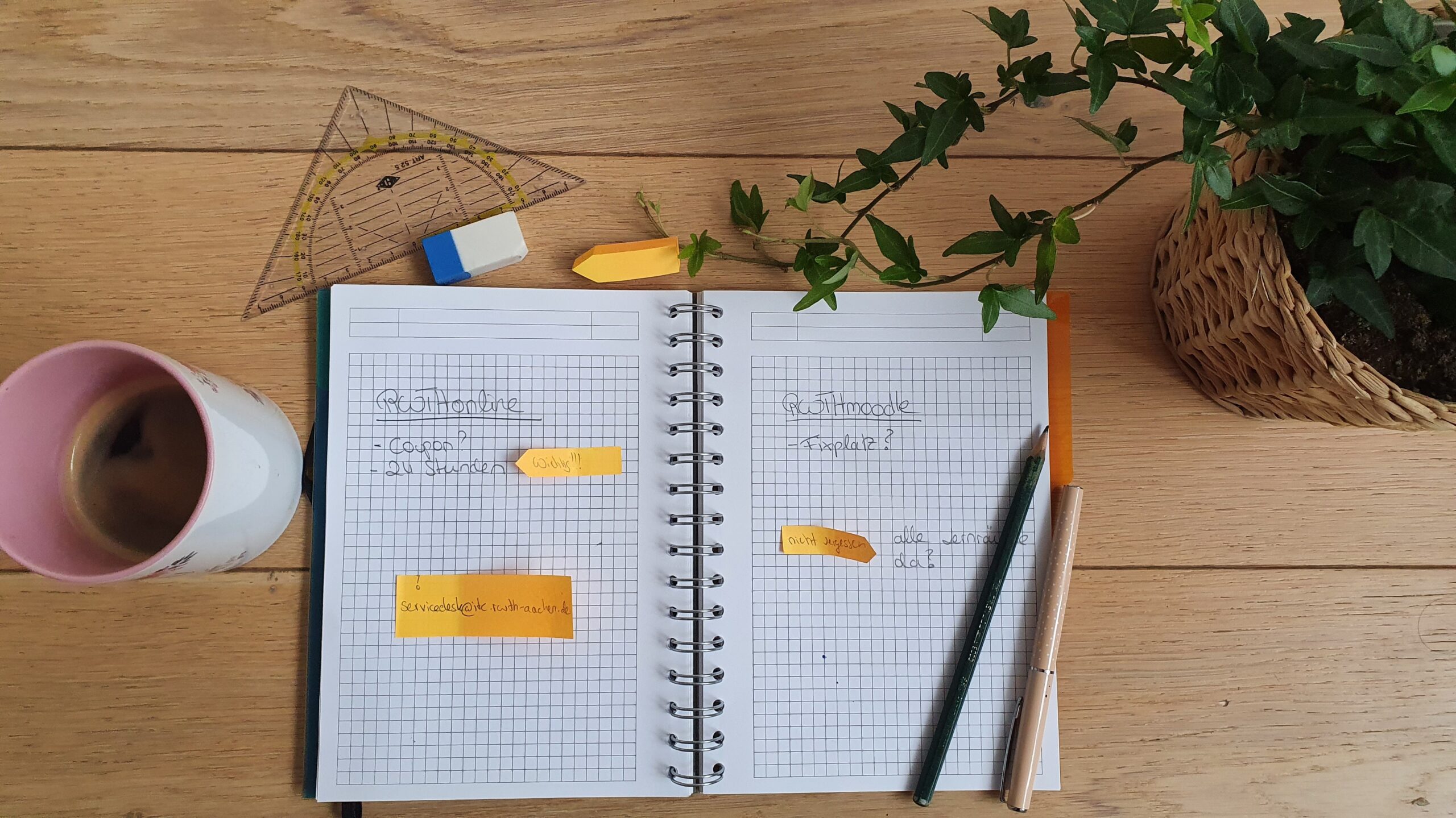
Source: Own illustration
In order to organize your studies at RWTH Aachen University and to access the IT services of the university, you need an RWTH account. This account will be issued to you via the so-called ConnectMe coupon procedure. This procedure may vary slightly depending on whether you are enrolling at RWTH for the first time or have been enrolled at the university before. Read the rest of this entry »
Limited Availability of IdM
Source: Own illustration
It is that time of year again: The semester change is just around the corner, and with it, another comprehensive maintenance of the central user dashboard of RWTH Aachen University – the Identity Management (IdM) – is taking place. This involves processing a large amount of changed data so that the system can continue to run smoothly in the upcoming summer semester of 2022.
For this reason, the system will have limited availability from Thursday, March 31, 2022 from 4pm until Monday, April 04, 2022 at 9am.
Social Media @ IT Center
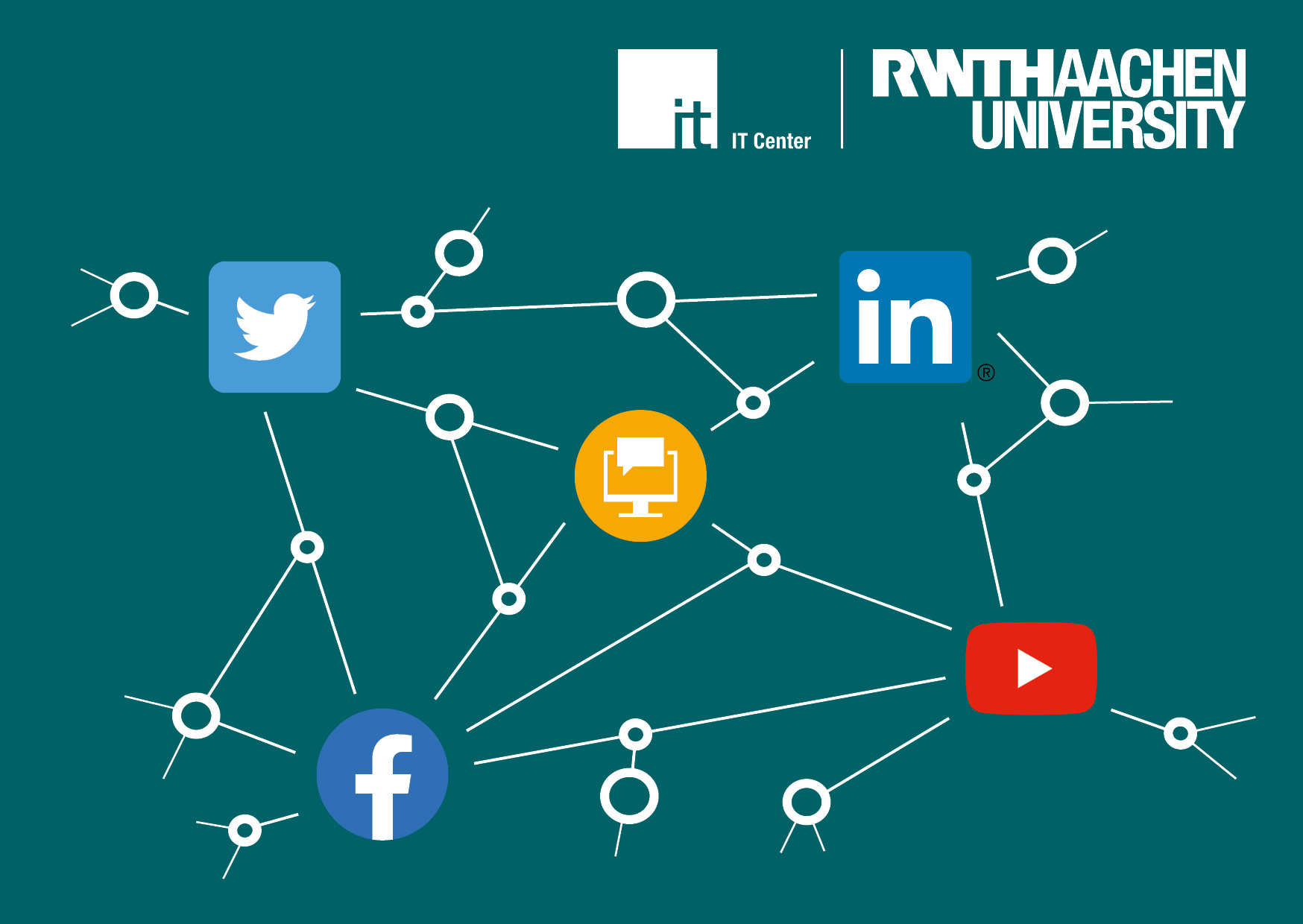
Become part of our network!
Source: Own illustration
For more than two years now, the motto has been: Social Media @ IT Center! Since October 01, 2019 we are on the road for and with you on Facebook, LinkedIn, Twitter and YouTube.
Become part of our network and follow us on our social media channels in order to never miss an update from #ITCenter! Read the rest of this entry »
Award received – SPEC Contributor Award

SPEC Contributor Award of Sandra Wienke.
Source: Own illustration
The SPEC activities of the RWTH
In October 2021, the Standard Performance Evaluation Corporation (SPEC) released the new SPEChpc™ 2021 (application-oriented) benchmark suites. SPEC was formed in 1988 to establish industry standards for measuring computer performance. Since then, SPEC has become the largest and most influential benchmark consortium in the world. Read the rest of this entry »
New features in IT Center Help
Source: Own illustration
Practical step-by-step instructions, useful quicklinks, helpful information or FAQ – our documentation portal IT Center Help provides you with answers to countless questions about the IT Center’s services for studying, teaching and research.
Since its launch in July 2020, we have continuously optimized our portal based on your feedback and adapted it to your needs. Today, we would like to introduce you to two new features in IT Center Help, which you can now put through their paces. Read the rest of this entry »
RDM Blog – We are now bilingual
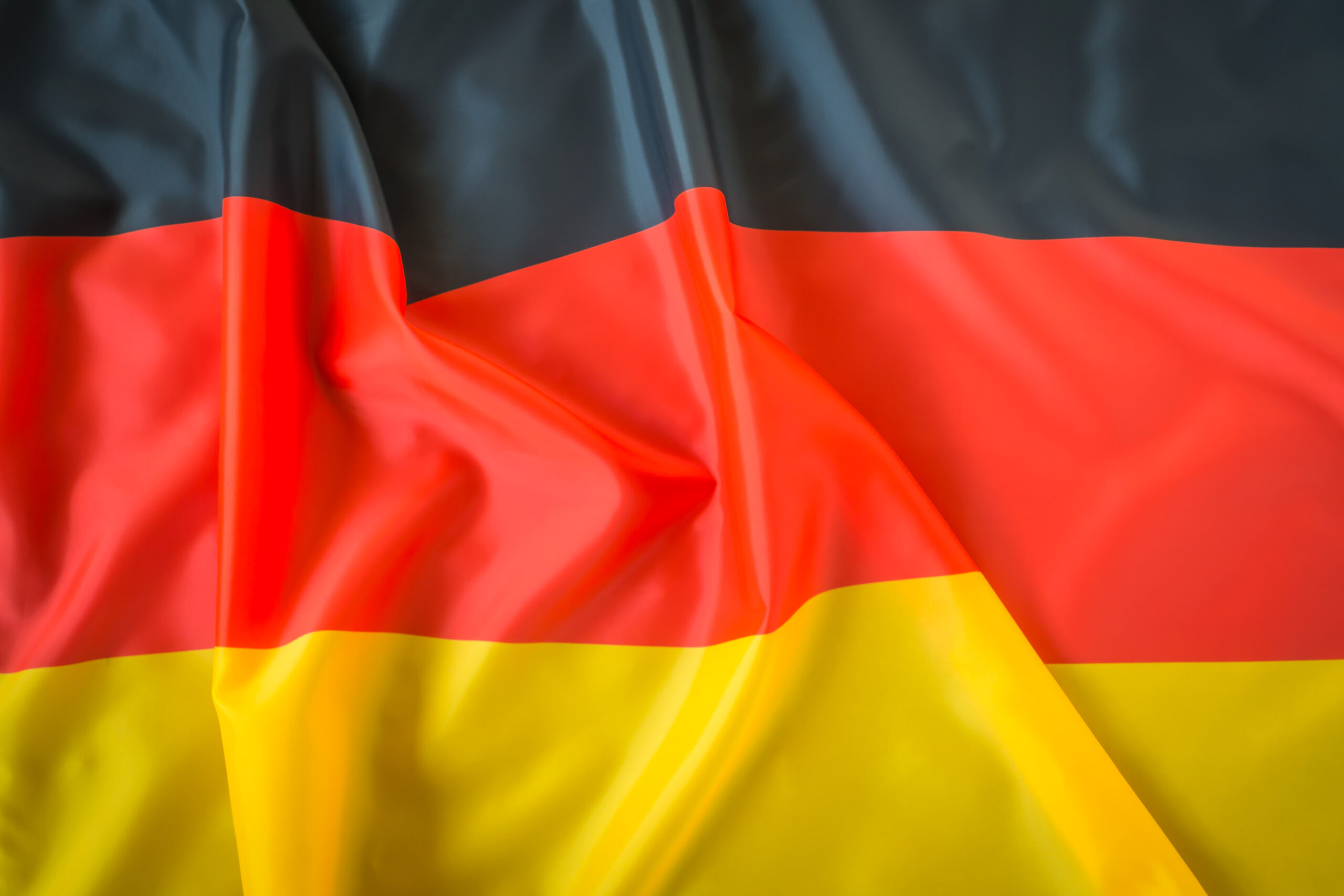
Source: Freepik

Source: Pexels
Almost 12,000 people from more than 125 countries currently study, research, teach and work at RWTH Aachen University. This living internationality at RWTH Aachen University is accompanied by strategies, measures and services to promote the internationality of studies, teaching and research. RWTH Aachen sees itself as a member of a global scientific community. For this reason, we are now proud to announce that our RDM Blog can now also be read in English.
Always up-to-date with the status message portal!

Source: Freepik
Error message. Nothing works anymore?
Have you ever woken up in the morning, started to study or work on your PC, but then you got an error message and didn’t know what was going on? We have the solution! Especially for this purpose, we have the status message portal!