ITG Conference on Speech Communication
© Katharina Uhlig
The fifteenth symposium in a successful series of events on the topics of speech processing, audio and spoken language processing took place from September 20 to 22, 2023 in the SuperC building of RWTH Aachen University.
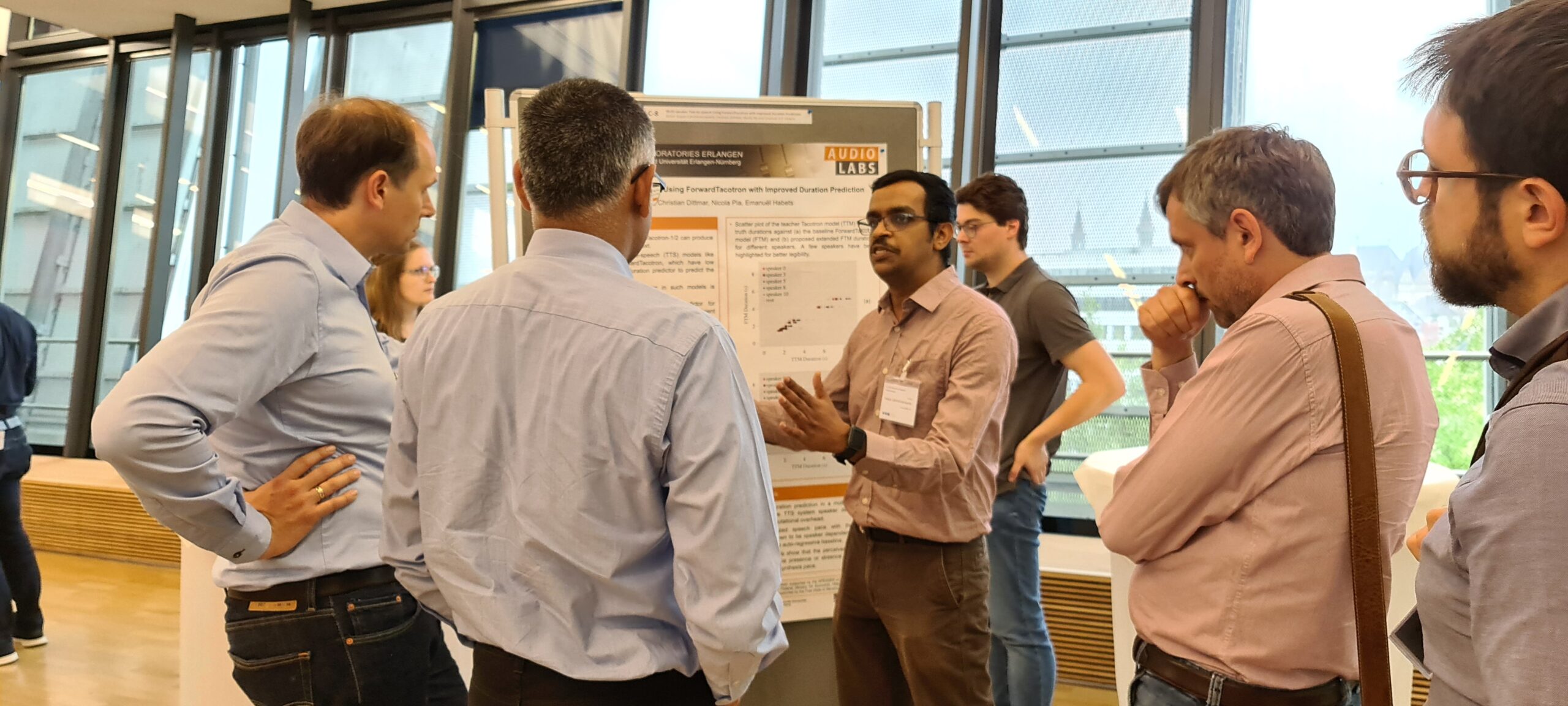
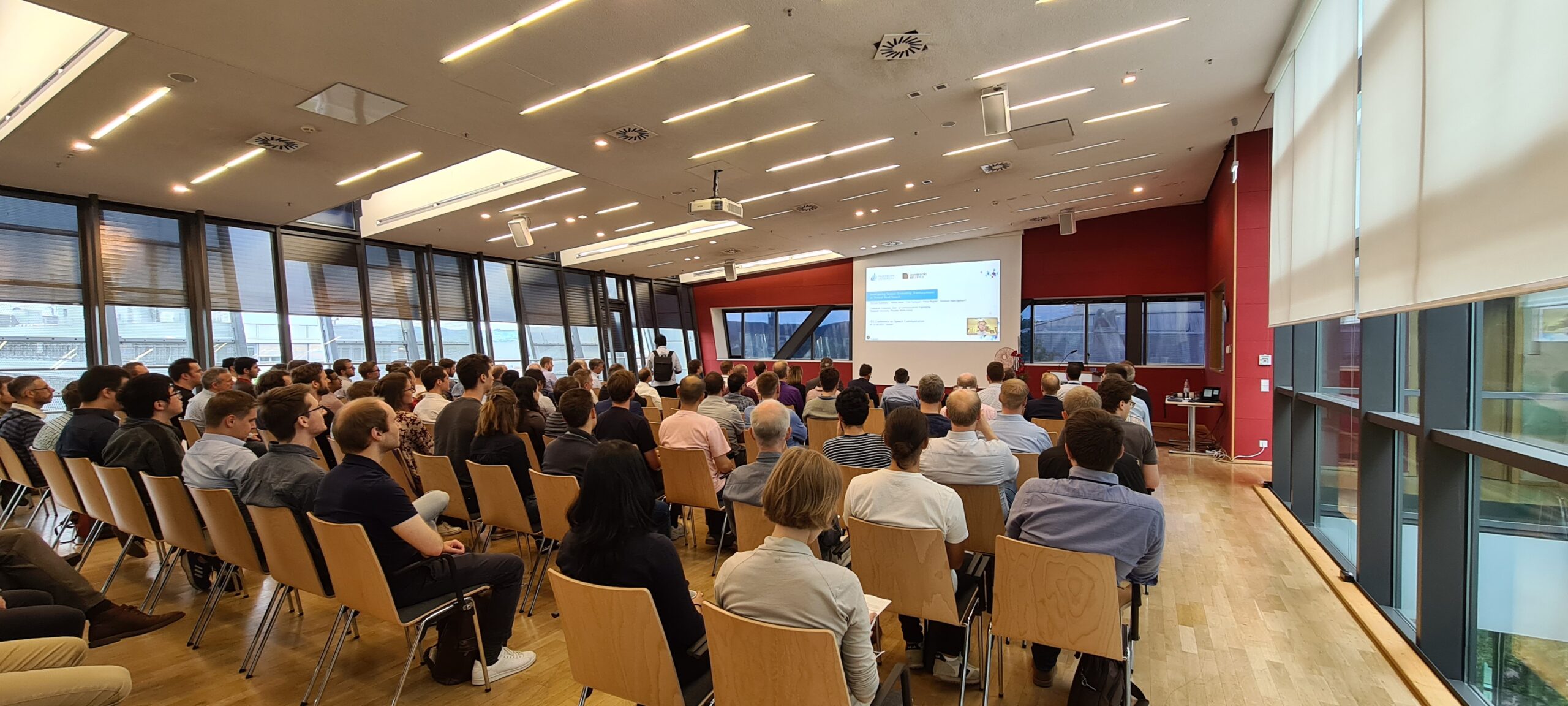
Central and in the heart of university life, a lively scientific exchange took place with a focus on theory, algorithms, and application relevance of the topic composition. Conference participants exchanged ideas in workshops and benefited from both professional and personal networking. Alternating blocks of lectures and poster presentations, as well as a show & tell session formed elements of the three-day conference.
© Katharina Uhlig
Other highlights included three keynote presentations from renowned individuals with expertise:
For Team Viewer, Dr. Hendrik Witt presented real-life use cases for augmented reality solutions for process optimization in the working world and explained the extent to which wearables and sensors are driving the industrial metaverse. The goal, he said, is digitization far from desks, for example in logistics, manufacturing or field service. Team Viewer sees the metaverse as an interface between the real world, the Internet and technology. Its AR platform Frontline offers augemnted reality, mixed reality and artificial intelligence on smart glasses, smartphones, tablets and other wearables. Empowered so-called frontline workers through this could usher in the next industrial revolution.
Professor Nilesh Madhu of Ghent University vividly explored the evolution of communication technology in his talk; from the use of tedious, hand-made, stochastic models to a plethora of impressive state-of-the-art data-driven approaches. His remarks also allowed a glimpse into the future and opened the discussion on whether the knowledge and experiences of the past are suitable to pave the way there.
Focusing on practical experience and the application of research results, Professor Frank Kurth from the Frauenhofer Institute for Communication, Information Processing and Ergonomics presented concrete safety application scenarios that use various approaches, including Deep Learning, for information extraction. Especially with respect to voice communication, the extraction of information from sensor signals is a significant aspect of safety-critical applications. This requires reliable methods, while complying with applicable law. The challenge here is often the poor quality of audio signals combined with the need to process large amounts of data in real time.
In addition to the exciting scientific content shared at the conference, a rich cultural offer was also opened to the participants. The city of Charlemagne showed its best side during the various guided tours and allows many insights into its historical heritage.
The conference was organized by the Informationstechnische Gesellschaft (ITG) in VDE, in cooperation with the Technical Committee Speech Communication AT3, as well as the Technical Program Committee and the Institute for Communication Systems at RWTH Aachen University.
Extensive information can be found on the homepage of the ITG conference.
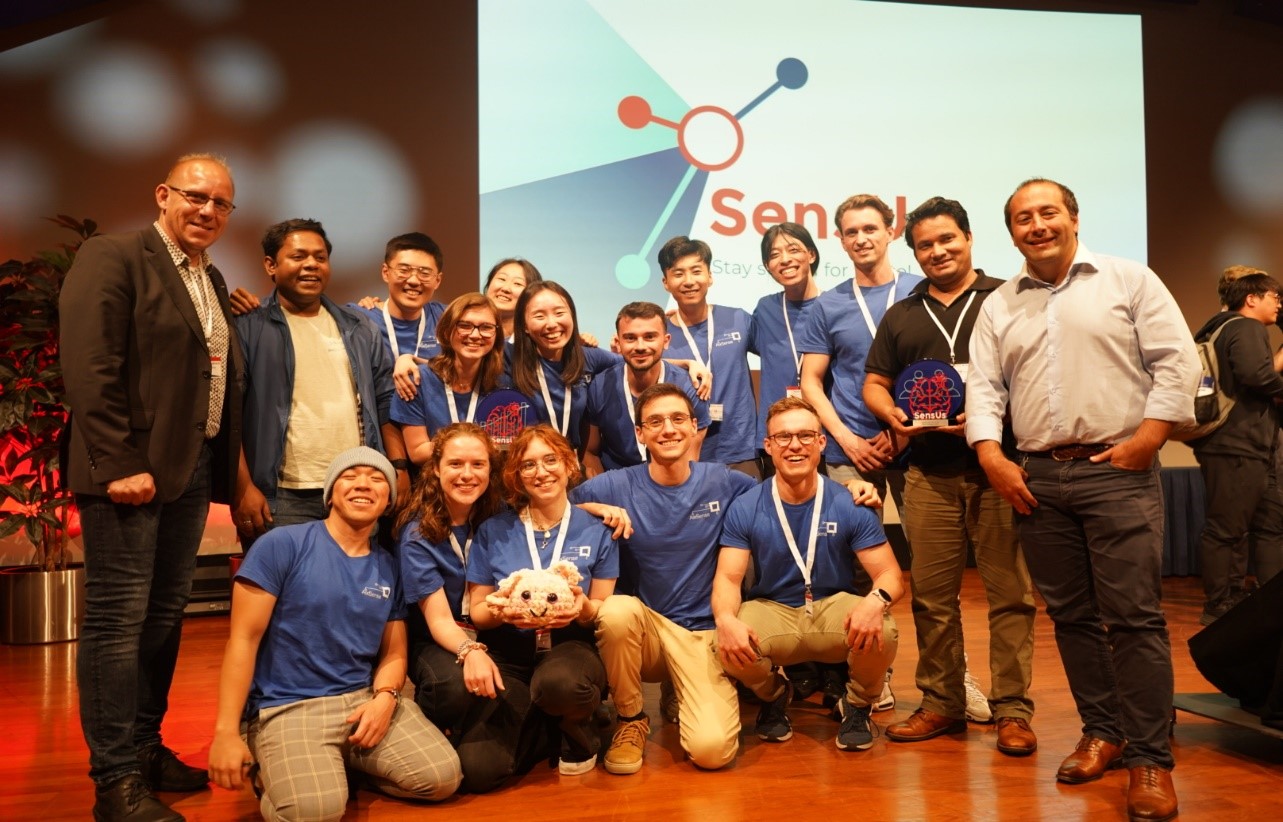
Biosensors for health: Team AixSense receives multiple awards at Sensus 2023
© Erdenebat Battseren
With the development of an innovative blood-based biosensor for the detection of traumatic brain injuries, the AixSense team stood out in an impressive field of competitors.
Once again this year, 15 student teams from all over the world took up the challenge of creating a biomarker prototype for detection and thus advancing sensor technology for improved healthcare.
RWTH Aachen’s AixSense team excelled in the competition, which was hosted by Eindhoven University. Their biosensor chip, which was manufactured with extreme precision in the cleanroom laboratory, caught the attention and recognition of the jury. This led to an award of the coveted Translation Potential prize. In addition, AixSense secured the Public Inspire Award by cleverly using social media platforms and collecting 1000 votes within 24 hours. The Aachen team’s outstanding engagement culminated in a first place in the vlog competition, which earned them the prestigious SensUs Gold Medal.
© SensUs
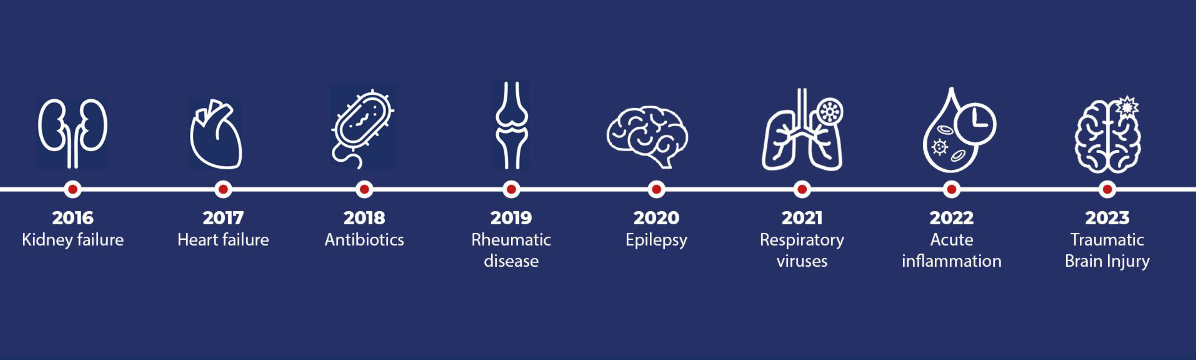
After the previous topics on antibiotic resistance, rheumatism, epilepsy, influenza A and sepsis, the teams from universities around the world explored a new pathology: Traumatic Brain Injury, defined as sudden external injury resulting in brain damage. Every year, around 27 to 69 million people worldwide are affected by this. The challenge here is the range of injury severity, which makes accurate detection all the more relevant.
„We are honored to have participated in such competition representing the university on an international level. We are also proud that all our team efforts were awarded with several prizes for RWTH Aachen University,”concludes the team leader of AixSense.
The Institute of Materials in Electrical Engineering at RWTH Aachen University deserves special credit for putting together this exceptional team, led by Dr Vivek Pachauri and Professor Sven Ingebrandt, with Dibyendu Khan and Aidin Nikookhesal supervising.
Check out the SensUs page for more up-to-date information on this year’s competition.
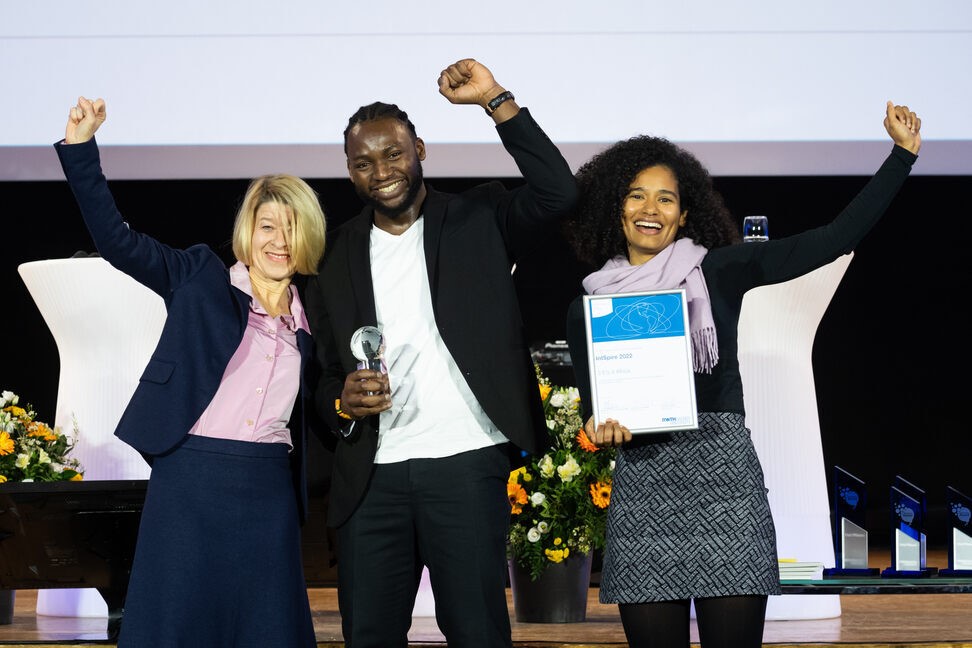
IntSpire – the Prize for Internationalization
Award ceremony IntSpire 2022 © Heike Lachmann
Creativity, diversity and internationality are the building blocks of excellent solutions to the global challenges of our time.
In order to make visible and honor people and institutions within RWTH Aachen University who make an exceptional contribution to the internationalization of the university, the “IntSpire” prize was established in 2020 by the International Office and the Prorector for International Affairs and has since been awarded annually in a festive setting and with prize money of 500 euros.
Internationalization permeates all levels of our university and changes them in a far-reaching and sustainable way. It opens up the boundaries of our own horizons and is crucial for education, teaching, research and the future of our society.
In order to promote and advance the diverse facets of living internationalization at RWTH, many individuals and institutions are committed beyond the normal scope.
Against this backdrop, the IntSpire team is calling for suggestions for honors from among RWTH members. These can be individuals such as employees and students, but also organizations, facilities and institutes that are particularly committed to the internationalization of RWTH. During the proposal phase from September 1 to October 15, a proposal form can be filled out and submitted by e-mail. A jury consisting of representatives of the university management, the professorate, the International Office, the Staff Council for Technology and Administration, the Staff Council for Scientific Employees and the students of RWTH Aachen University will select an award-winning person or institution from the proposals received and substantiated in writing.
For more information and the proposal form, please visit the official RWTH page.
Writing Workshop E-Technology Winter Semester 2023/24

© Martin Braun
You are studying a bachelor or master subject at the Faculty of Electrical Engineering and Information Technology? The study or final thesis is now imminent? Then get the support of the Language Center and benefit twice!
The semester course in presence strengthens the subject-specific writing and text competence with customized writing advice. Practical workshops based on text examples from electrical engineering and information technology provide know-how on text structure, language, style and citation. The online expert feedback in the writing consultation helps to individually apply what has been learned in the course to the current project or thesis. Voluntary participation in an introductory course on technical subject research at the University Library is also offered as part of the course.
After successful participation, the Language Center awards a certificate and 3 CP, which are creditable according to the respective examination regulations.
International students must prove a German language level of at least C1.2 as a prerequisite for participation in the course.
Registration takes place via the user account at the Language Center.
Registration deadline: September 29 – October 10, 2023
Dates:
| Group 1 02.54478 |
Group 2 02.54479 |
|
Wed, 08.11.2023 Wed, 22.11.2023 Wed, 06.12.2023 Wed, 10.01.2024 each from 09.00 to 12.00 hrs |
Wed, 15.11.2023 Wed, 29.11.2023 Wed, 13.12.2023 Wed, 17.01.2024 each from 09.00 to 12.00 hrs |
Contact for queries: schreibzentrum@sz.rwth-aachen.de
60th Anniversary of the Institute of Hearing Technology and Acoustics
© Institut für Hörtechnik und Akustik
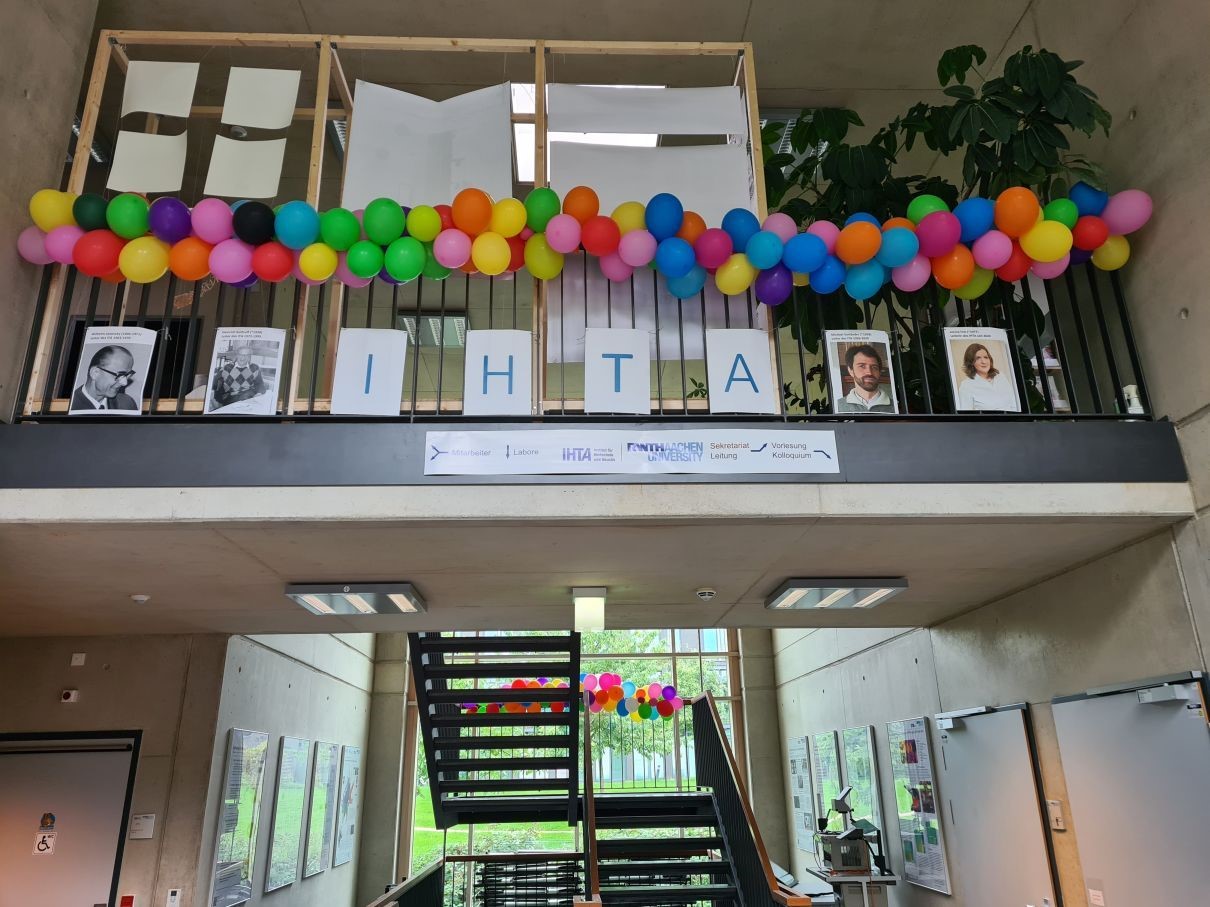
A special day for the Institute of Hearing Technology and Acoustics (IHTA/ITA), was created by all active and former members of the Institute on Saturday, August 19, 2023, when they celebrated its 60th anniversary.
The Institute of Technical Acoustics was officially founded on January 2, 1964 under the leadership of Professor Wilhelm Janovsky and since then has had an impressive history in the research and development of acoustic technologies and hearing techniques. Over the years, outstanding individuals have taken the helm of the Institute, including Professor Heinrich Kuttruff in 1972, Professor Michael Vorländer in 1996, and finally Professor Janina Fels, who has headed the current Institute of Hearing Technology and Acoustics since 2020.
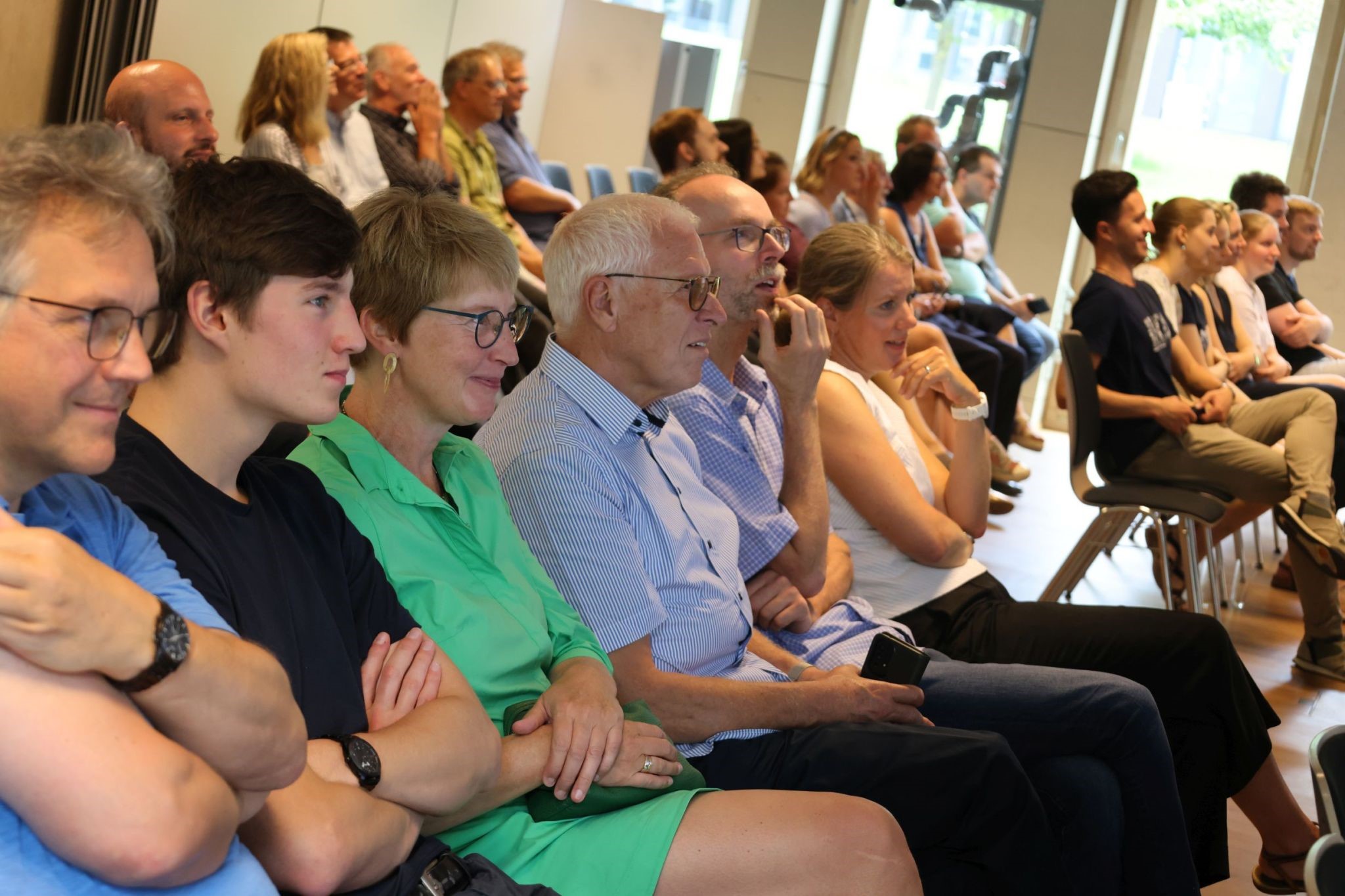
The anniversary celebration drew more than 120 former and active members of the institute who joined in a day full of festivities and activities. The event featured tours of the Institute’s facilities and demonstrations of current research topics highlighting advances and innovations in the field of acoustics and hearing technology. Of course, food, drinks and live music by the IHTA band were not to be missed to round out the festivities.
Special thanks were given to the Association for Technical Acoustics (GfTA), which contributed significantly to the organization and realization of this anniversary celebration. The GfTA is an association that focuses on the promotion of acoustics in Aachen, especially with regard to young talent. It made it possible that the event became an unforgettable event and supports and strengthens the community of the former and active members as well as the new generation in the field of acoustics.
© Institut für Hörtechnik und Akustik
For more on the anniversary celebration, visit the Acoustics Blog. Their goals as well as further information about the Association for Technical Acoustics and all current news and research projects of the Institute of Hearing Technology and Acousticsare available.
First AUDICTIVE Conference 2023
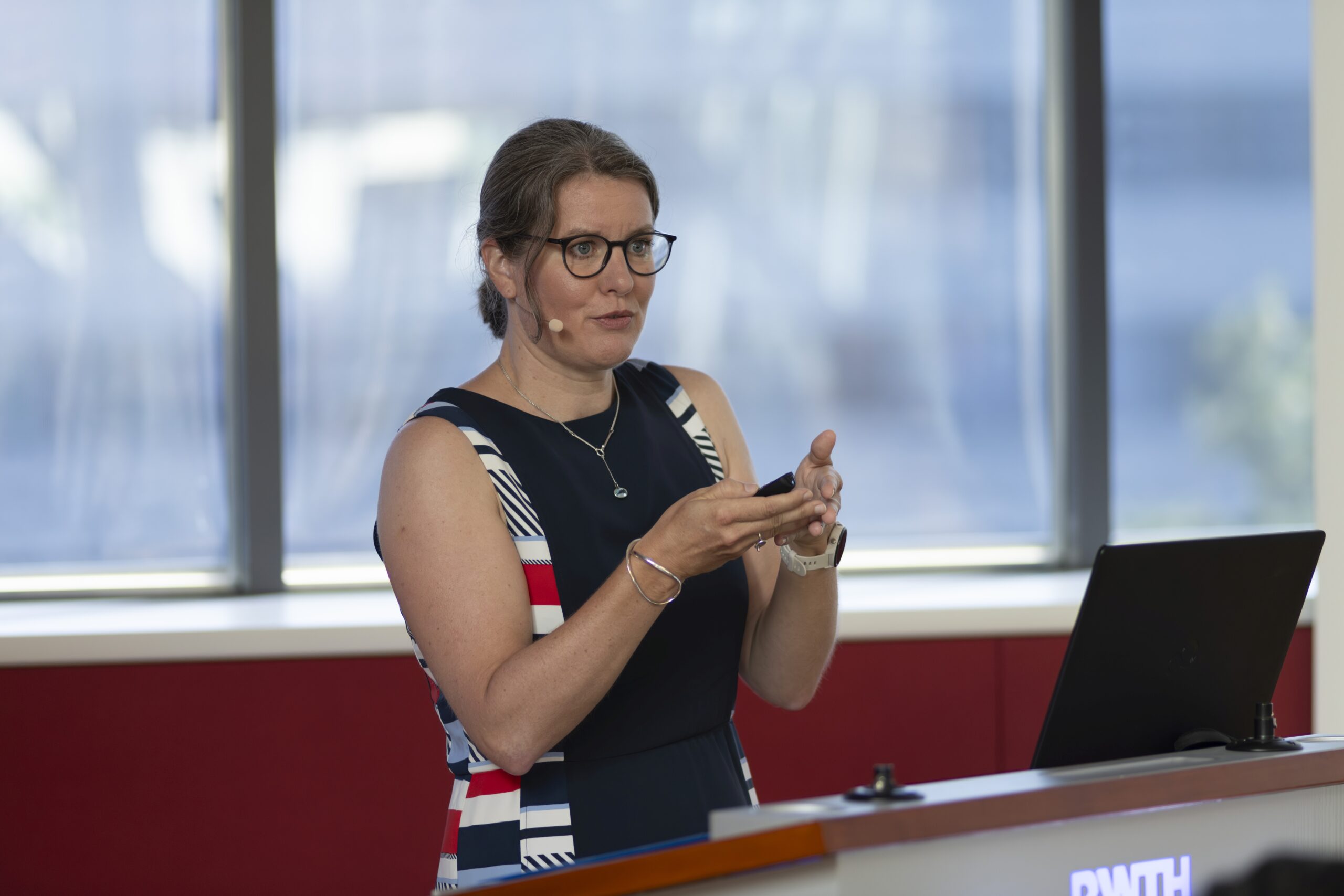
Professorin Janina Fels © Gottfried Behler, Janina Fels und Alexander Raake
A conference like a booster shot for the dynamics of basic research aiming to bridge the gap between auditory perception and cognition on the one hand and virtual reality on the other.
With recent developments in hardware and software technologies, audiovisual virtual reality (VR) has reached a high level of perceptual plausibility, which allows to overcome the limitations of simple laboratory situations. This creates good conditions to explore in a controlled way the ability to interact with a complex audiovisual scene – as a representation of an authentic life experience, for example, in a classroom, an open-plan office, or else as complex outdoor communication situations – depending on acoustic, visual, and other contextual factors. The applicability of the resulting scientific results in the immediate living environment, as well as their feedback for quality enhancement in interactive audiovisual virtual environments and quality assessment methods of the interface of the two disciplines are topics of the conference and the subject of research.
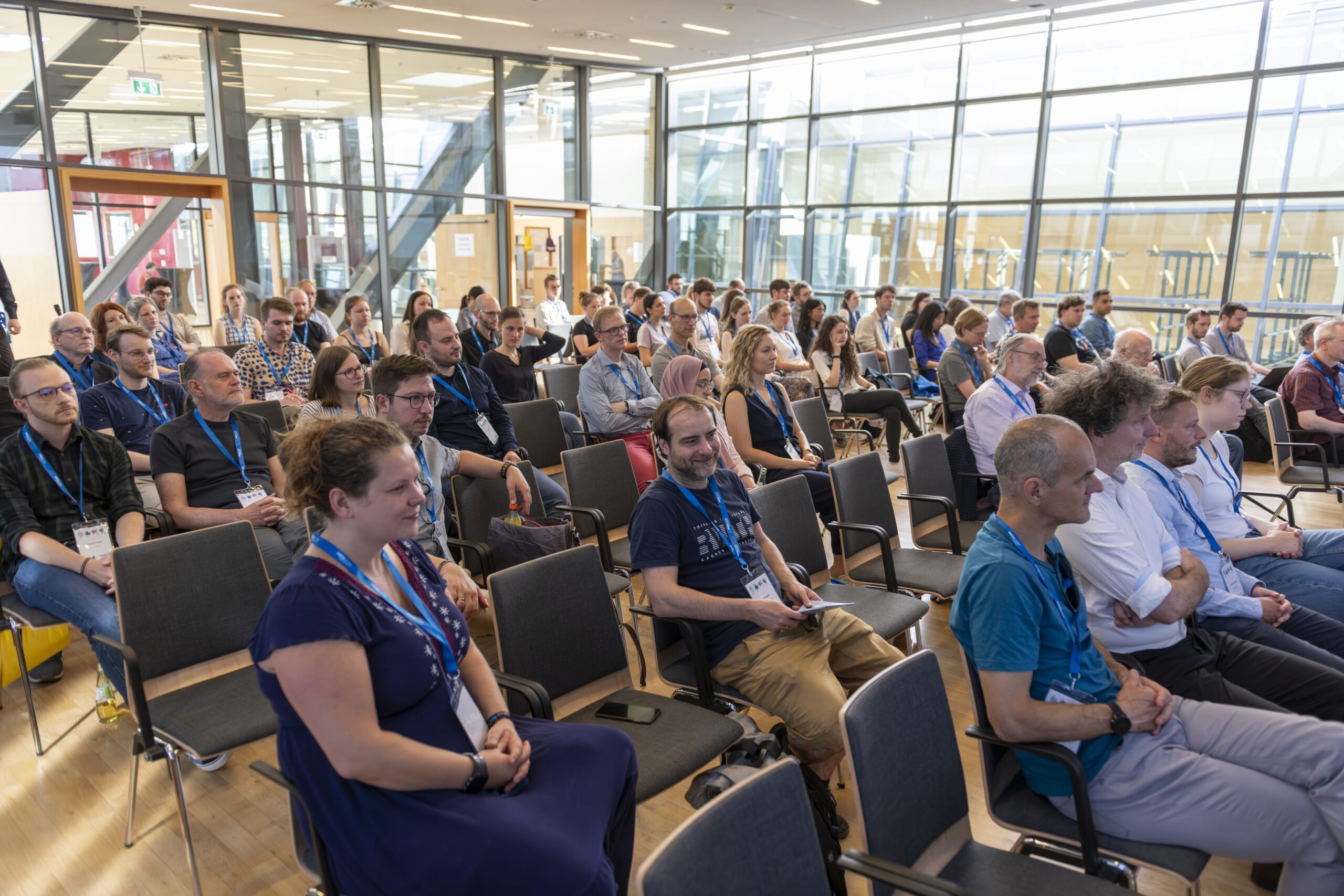
In response to these multidisciplinary challenges, university professor Janina Fels from the Chair of Hearing Technology and Acoustics at RWTH Aachen University invited researchers from the fields of acoustics, cognitive psychology and computer science to the first AUDICTIVE Conference from June 19 to 22, 2023. The goal here was to ensure interdisciplinary collaboration in basic research and to make possible synergy effects that cannot be achieved by a single discipline.
Currently, research efforts are mostly conducted separately within individual scientific research communities. This prevents cognitive psychology and acoustics from fully exploiting the enormous potential of VR to test and extend their existing theories in the more realistic, rich, and interactive virtual environments that can be created with the current state of the art in VR technology. At the same time, VR research can benefit from the knowledge of auditory perception and cognition to understand the important quality criteria that must be met to optimize user perception and cognitive performance, as well as subjective experience and (social) presence in a virtual environment. Due to the added value of the collaboration and research methods of the three disciplines, it is expected that research in the areas of hearing, auditory cognition, and VR can be elevated to a much higher level.
© Gottfried Behler, Janina Fels und Alexander Raake
The conference presentations offered fascinating insights into the future of human-computer interaction, auditory perception and virtual reality:
Professor Barbara Shinn-Cunningham of the Carnegie Mellon Institute elaborated in her presentation on how our brains perceive and evaluate the auditory world around us. It does this by using the interaction between voluntary top-down attention and involuntary bottom-up attention to focus on a speaker while processing new sound sources in our environment. In this talk, Professor Shinn-Cunningham explored how peripheral and central factors combine to determine communicative success, which is influenced by expected and unexpected sounds in everyday environments. She focused on the cortical networks that mediate competition for attention.
In his talk, Professor Frank Steinicke from the University of Hamburg presented the exciting development of the fusion of augmented reality (XR) and artificial intelligence (AI). He emphasized how these technologies enable seamless transitions between real and virtual worlds and have the potential to create immersive experiences.
Still, today’s immersive technology is decades away from the ultimate representation. However, the shortcomings of the human perceptual system, cognition, and motor skills can be exploited to bend reality to enable compelling immersive experiences. His talk presented several XR illusions that bring us closer to the ultimate fusion of intelligence and reality.
Professor Alexandra Bendixen from TU Chemnitz spoke about her research in auditory perception and sensing. She explained how she creates scenes with multiple interpretations and monitors listeners’ perception to investigate factors that stabilize auditory perception in ambiguous scenes. Recent combinations of auditory multistability with eye tracking have provided new insights into the interplay between auditory and visual multistability, with implications for our general understanding of scene analysis across all senses. When psychophysiological measurement logic is flipped, brain responses associated with sensory predictions can be used to evaluate certain aspects of virtual reality (VR), such as the appropriateness of VR latencies.
More information about the AUDICTIVE Conference is available on the official website.
“The world of tomorrow” in the Aachen city region.
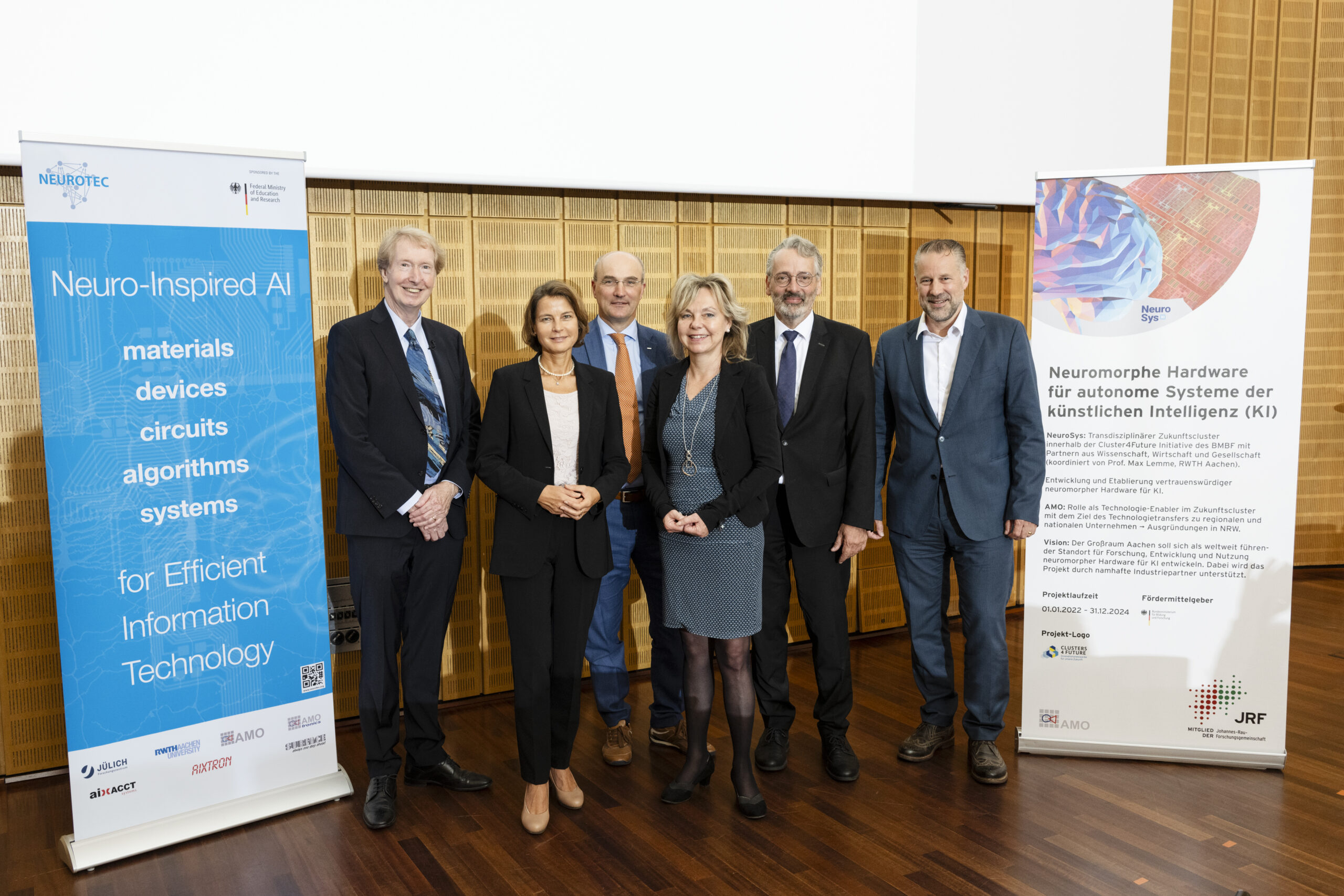
From left to right: NEUROTEC Coordinator Prof. Rainer Waser, FZJ Board Chair Prof. Astrid Lambrecht, RWTH Rector Prof. Ulrich Rüdiger, BMBF State Secretary Prof. Sabine Döring, MKW-NRW State Minister Thorsten Menne, NeuroSys Coordinator Prof. Max Lemme © Kurt Steinhausen Forschungszentrum Jülich
Neuroinspired computer chips could make the decisive contribution to meeting the growing energy requirements of artificial intelligence (AI). Researchers presented the current status and future prospects of this groundbreaking technology in the course of the Jülich-Aachen Neuromorphic Computing Day on August 30, 2023.
By mimicking the way the human brain works, neuromorphic chips offer an enormous increase in energy efficiency and thus only open up groundbreaking possibilities for applications such as autonomous driving and Industry 4.0 through real-time data processing. Designed in close collaboration between RWTH Aachen University, Forschungszentrum Jülich and partners from high-tech companies and start-ups, researchers offered insights into their work. In addition to around 200 guests from science, industry and politics, BMBF State Secretary Sabine Döring also accompanied the event.
Close cooperation between research institutions and companies in the region is at the heart of this initiative. The model enables the direct transfer of research results to industry and strengthens regional innovative power. Not only do regional structural change and job creation play a role here, but also the vision of independent chip production in Germany.
“With our research, we span the entire value chain, including sociological and ethical issues that disruptive technologies always raise. This offers opportunities at many technological levels for regional companies and startups to accelerate structural change. We are already seeing initial effects on the labor market and business investment. In the long term, semiconductor manufacturing in the region would ideally complement the existing, comprehensive and internationally recognized expertise and infrastructure and once again significantly increase the attractiveness of the region for the excellently trained brains from the research center and RWTH,” sums up NeuroSys coordinator Prof. Max Lemme from RWTH Aachen University and Managing Director of AMO GmbH.
The impressive future prospects of this technology and the cooperation between research and industry in the region thus create a dynamic that not only drives groundbreaking technologies, but also inspires young talents to get involved at RWTH Aachen University and contribute to this exciting field of research.
Further information on the Jülich-Aachen Neuromorphic Computing Day, as well as on the NEUROTEC project and the NeuroSys future cluster, can be found on the Forschungszentrum Jülich website.
German Study Award: Silver goes to Dominik Šišejković
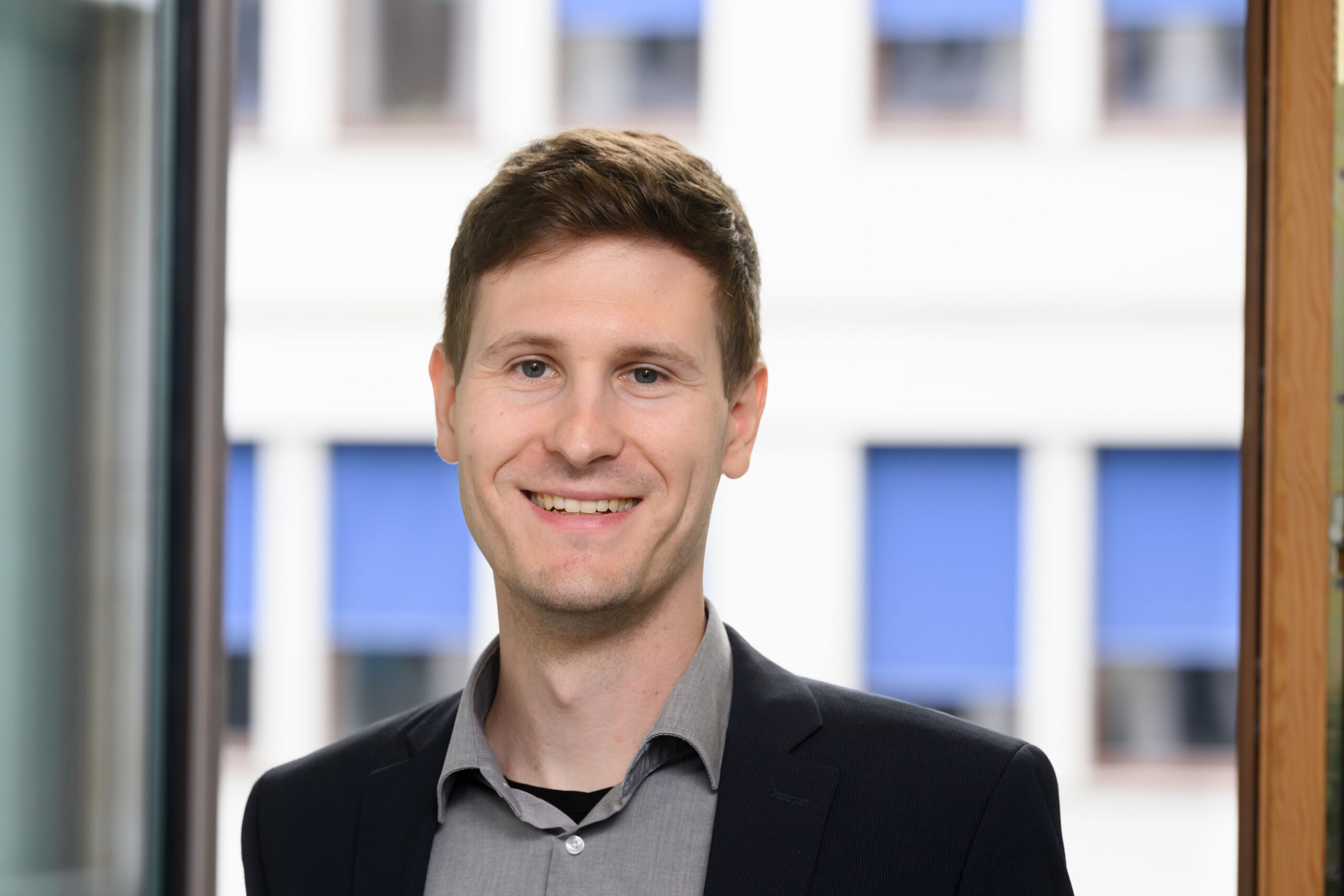
Award winner Dominik Sisejkovic ©David Ausserhofer
His excellent dissertation, Development of trustworthy microelectronics – from theory to practice, will be honored by the Körber Foundation with the German Study Award 2023 on November 27 at the German Parliamentary Society in Berlin. Dominik Šišejković will receive the second prize in the Natural and Technical Sciences section from Bundestag President Bärbel Bas.
The focus of his doctoral thesis is the question of how hardware can be protected against decentralized modifications. This is all because hardware Trojans represent one of the greatest security threats of the modern age. Such a carefully designed modification allows attackers to gain access to critical infrastructure, extract secret information or even shut down systems at the worst possible moment.
“In this work, we take a step-by-step approach to understanding logic encryption, from its basic mechanics to software implementation to an in-depth analysis of its security properties in the age of machine learning,” explains Dominik Šišejković, a PhD student at RWTH Aachen University in the Department of Electrical Engineering.
One possible solution is hidden in logic encryption, a leading technique for securing hardware. The results were bundled into an industry-proven encryption method that provides a secure way to protect hardware.
The German Study Award is one of the most highly endowed prizes for young scientists in Germany. Each year, it honors outstanding young scientists from all disciplines. The Körber Foundation awards prizes totaling more than 100,000 euros for excellent dissertations of particular social significance.
First RWTH GreenTech Late Night at Theater Aachen
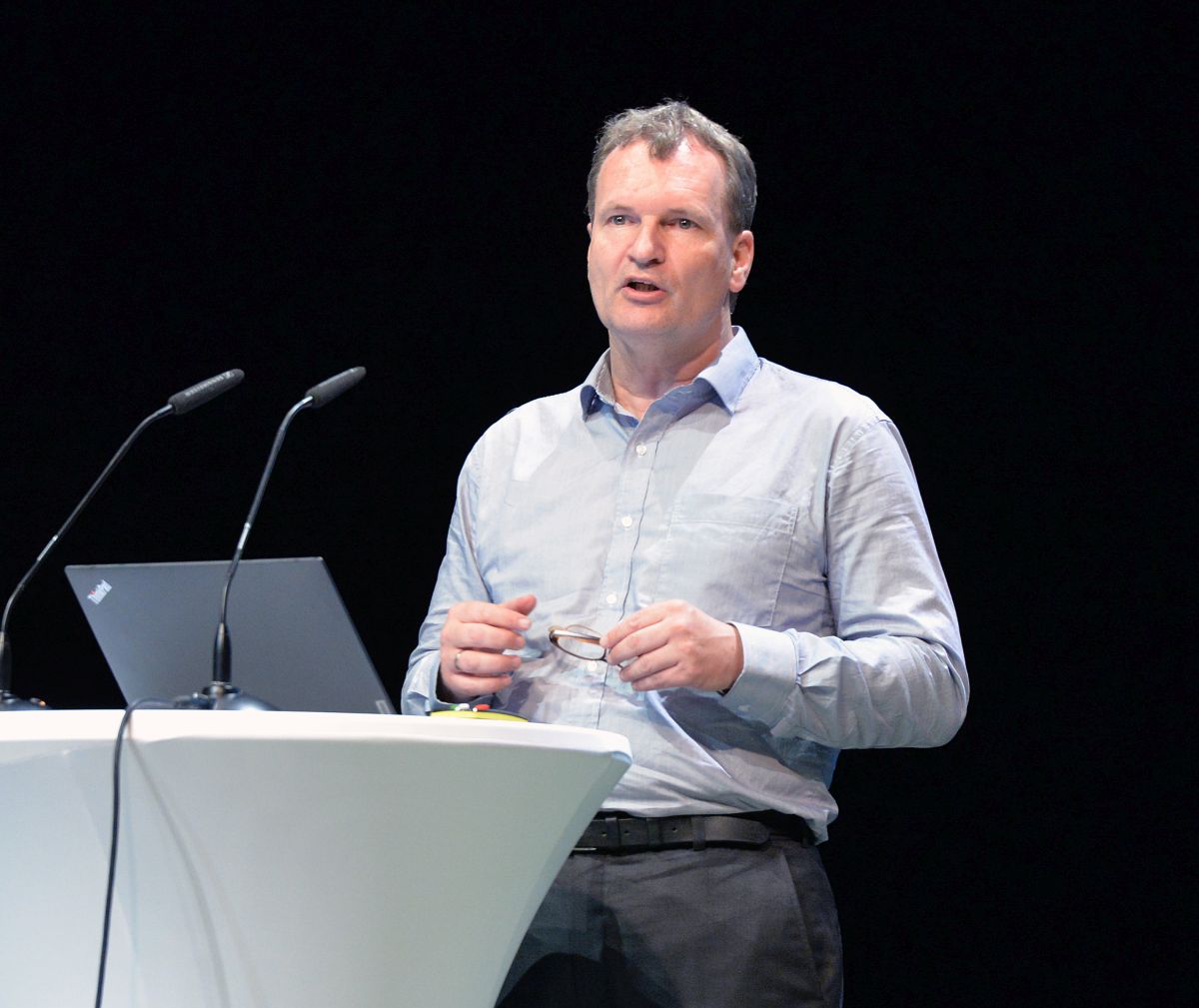
RWTH professor Dirk Uwe Sauer argues the view of science ©Andreas Schmitter
At the birth of a platform of engagement and exchange, the RWTH GreenTech Late Night, the academic world was in the spotlight at Theater Aachen on June 19, 2023. Represented by RWTH professors Kai-Uwe Schröder and Prof. Dirk Uwe Sauer, the science perspective took a starring role, conveying how essential it is to actively communicate scientific findings about climate change and the underlying technologies to the broader society in order to raise awareness and promote collective action to combat climate change. In this regard, dialogue between research, technology and policy is essential at a time of fundamental change and transformation.
“I think the initiative for the event is very good. We need much more communication out of science into society in these times of fundamental upheaval,” sums up Professor Dirk Uwe Sauer, battery expert at RWTH Aachen University.
The first RWTH GreenTech Late Night at Theater Aachen was an unprecedented event that bridged the boundaries between science, technology and society. In the process, the theater became a vibrant arena of knowledge exchange, bringing together experts, visionaries and creatives to discuss the most pressing challenges in the field of climate protection.
This extraordinary event offered a multi-faceted program ranging from keynote speeches and interviews to artistic readings and cabaret interludes. The variety of formats painted a comprehensive picture of the complex topic while emphasizing the vibrancy and dynamism of academia.
The RWTH GreenTech Late Night impressively demonstrated how innovation and knowledge transfer can be driven forward in times of climate change. The event encouraged finding new ways of collaboration between science, technology, politics and culture to jointly shape a sustainable path into the future. This platform will undoubtedly continue to play an important role in shaping the global climate agenda.
Detailed information about the event’s schedule and guests is available at GreenTech Late Night – To Solve the Climate Crisis, You Need Both an Ear for Science and a Commitment to it.
Voices from the GreenTech Late Night reflect the opinions of the guests, who deal with the climate crisis and possible ways out in their own way.
The Reichart Prize 2023 goes to Dr.-Ing. Weihan Li

Prof. Frank Hellwig and Prof. Peter Scharff award Dr. Weihan Li the Reichart Prize 2023 © Mathias Brösicke
A remarkable contribution to application-oriented science was honored when Dr.-Ing. Weihan Li received the coveted Reichart Prize on June 24, 2023. The junior research group leader at the Center for Ageing, Reliability and Lifetime Prediction for Electrochemical and Power Electronics Systems (CARL) at RWTH Aachen University was recognized for his pioneering work in digitizing battery use with a digital twin. This innovative approach aims to provide greater clarity on battery aging processes, safety and reliability.
Named after Christian Reichart, a versatile Erfurt resident, the prize awarded annually highlights outstanding graduate work in various scientific fields. The cooperation between the state capital of Erfurt, the University of Erfurt and the University of Applied Sciences in Erfurt ensures that this prize promotes talented young scientists whose work has a clear link to applicability. In doing so, it honors the legacy and vision of Christian Reichart, who already distinguished himself in the 18th century as a pioneer of interdisciplinary research and non-profit applications. The award committee, consisting of representatives from these institutions, selects the winners and acknowledges promising research approaches with prize money of 2,000 euros and strengthens interdisciplinary exchange. This award underlines the importance of using scientific findings for the benefit of society and building bridges between different disciplines to create practical solutions to current challenges.
More about the Reichert Prize can be found on the website of the Academy of Erfurt.


