

Digital Cleanup Day 2026: A Fresh Start for Your Digital Devices
Source: Own illustration
We’ve all been there: your desktop is cluttered, your inbox is overflowing, and old apps are piling up on your smartphone. It’s time for a digital spring cleaning! On March 21, 2026, it’s that time again: Digital Cleanup Day invites you to bring order to your digital world while helping the environment.
Software Engineering Fair 2026 – Diverse Projects and Teamwork

Source: Own illustration
On Friday, March 6, 2026, the annual Software Engineering Fair took place once again in the foyer of the IT Center on Kopernikusstraße. Between 1:00 and 4:00 p.m., the aspiring mathematical-technical software developers (MATSE) from the dual study program “Applied Mathematics and Computer Science” at Aachen University of Applied Sciences presented their project work.
RWTHmoodle – Introduction of Terms of Use
Source: Own illustration
In order to further increase transparency regarding the use of RWTHmoodle, the IT Center and CLS are introducing written Terms of Use for the platform for the first time. These terms define the framework for using the system and also serve to provide legal protection for the service. Starting March 26, 2026, the Terms of Use will be displayed after logging into RWTHmoodle. These Terms of Use must be accepted once in order to continue using the platform.
Read the rest of this entry »
Discontinuation of Email Forwarding via the Self-Service Function
Source: Own illustration
In this article, we would like to inform you about the upcoming discontinuation of automatic email forwarding via the Selfservice function. We will provide a brief overview of the reasons for the discontinuation, a review of what has already been implemented, and information about the final step in discontinuing the function. You will also learn how you can continue to forward emails from your RWTH email address to another email address.
KI:Inferenz.nrw Launches Offering for Universities in North Rhine-Westphalia
Source: Own illustration
The demand for powerful AI models at universities continues to grow rapidly. Applications such as chatbots and AI-supported services in the KI:connect environment are leading to more and more institutions using generative AI in research, teaching, and administration. At the same time, demand for locally operated open-source models is increasing.
RWTH Aachen University is currently testing several open-source models via KI:connect through the WestAI service center. The KI:Inferenz.nrw initiative was launched in January 2026 to provide universities in North Rhine-Westphalia with comprehensive access to open-source AI models in the future. It aims to provide universities in North Rhine-Westphalia with an infrastructure for the use of language models that is independent of the universities themselves.
International Women’s Day 2026: Women in IT

Source: Own Illustration
Every year on March 8, we celebrate International Women’s Day, a global event that draws attention to women’s achievements while also highlighting the fact that equality is still not a given today. Women’s Day commemorates over 100 years of fighting for women’s rights and serves as a call to continue actively working toward equality.
Successful Conversion of Data Center Core Switches

Source: Alexander Müller
After five months of intensive planning, preparation, and coordination, the big day finally arrived on February 24, 2026: The data center core switches, which had been in service for 16 years, were replaced by a new, more powerful generation.
This was a significant milestone for the IT Center’s infrastructure, as the core switches form the heart of our data center.
RWTHmoodle Training Courses
Source: Own illustration
The RWTHmoodle learning platform is an integral part of studying at RWTH. The platform is often used for lectures and seminars to provide presentations, scripts, and texts.
But RWTHmoodle offers many more features to enhance the learning experience for students. To help instructors leverage the full potential of RWTHmoodle, training sessions for the platform are offered regularly. In this blog post, we provide an overview of some of the training sessions offered and explain how you can register.
AI Hallucination – What Is It?
Source: Freepik
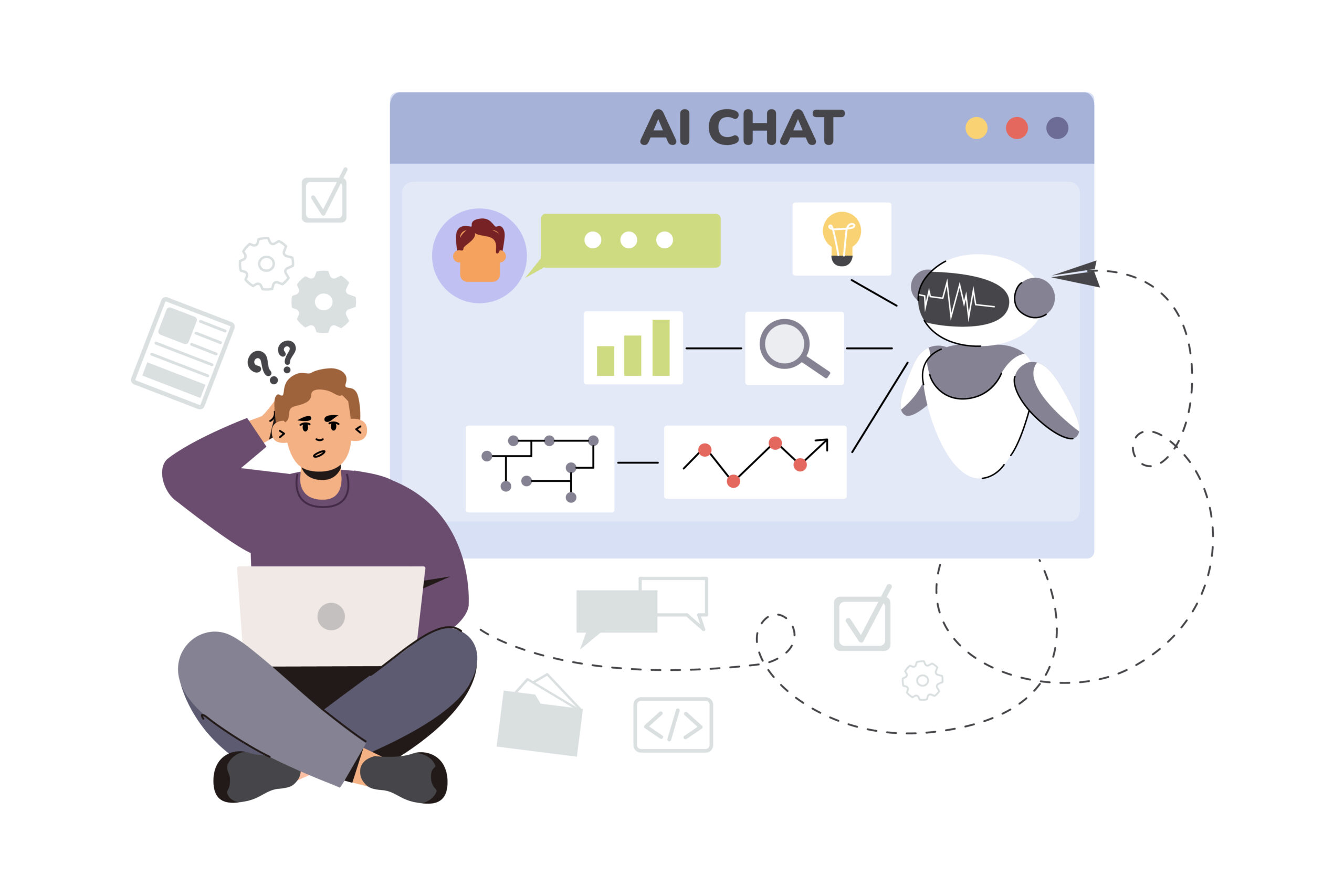
The internet seems to have an answer for everything. And even the generative AI models of our time seem to know almost everything. But can that really be true?
Not quite. As powerful and helpful as generative AI is, it is not without its weaknesses. One of these is what are known as AI hallucinations. These are convincing-sounding but factually incorrect or fictitious pieces of content. In this article, we take a closer look at this central problem in the development and application of AI models.
Subscription Management – Renew, Pause, or Cancel
Source: Own Illustration
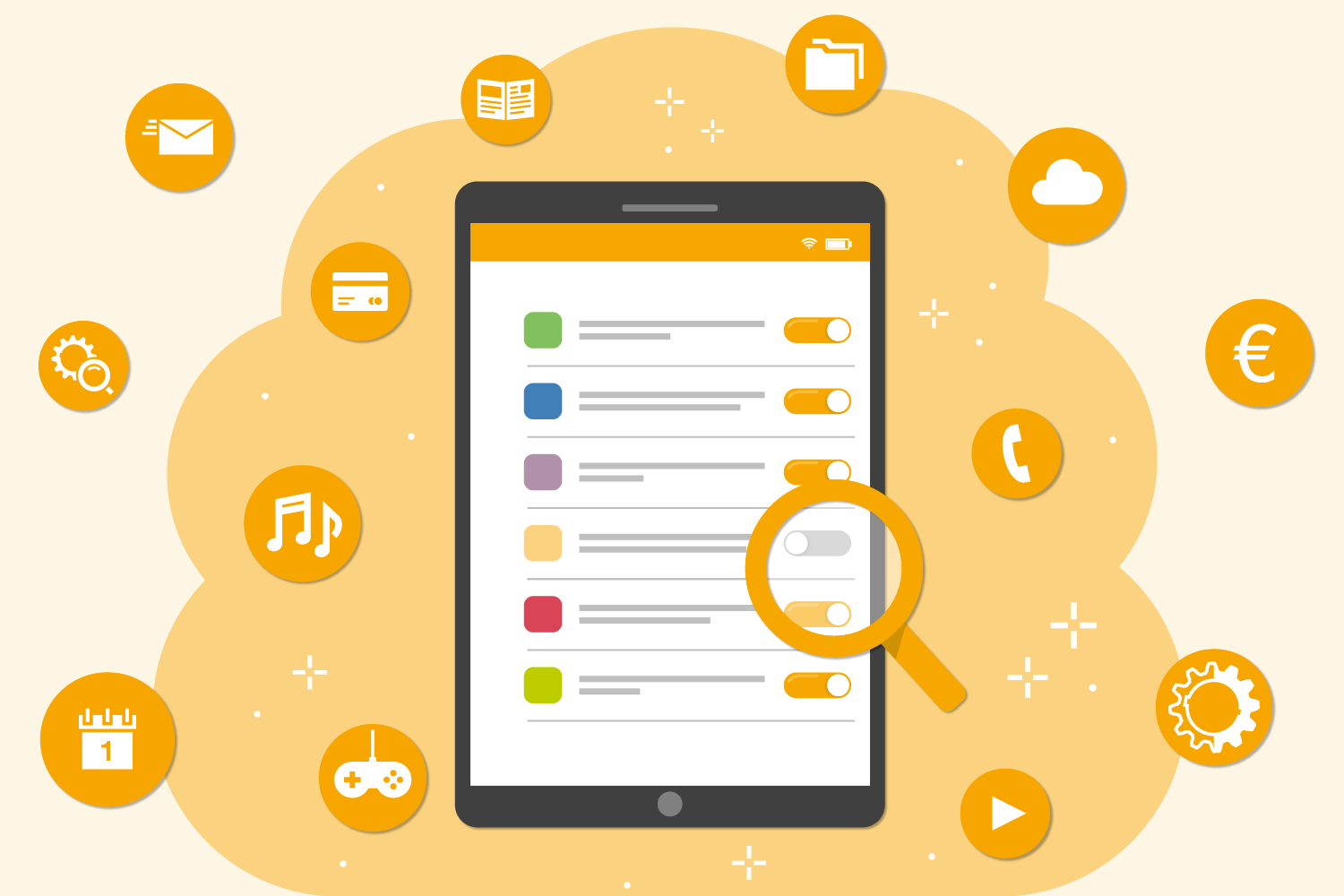
Subscription based services are one of the fastest growing business innovations of the last decade. Gone are the days where subscriptions were reserved for newspapers and magazines. Most likely you have come across subscription services in your day-to-day life. Saas (software as a service) is the most common service model for office and work software. Additionally, subscriptions are already the norm for all consumable content we engage with in our private lives, including music and streaming services. In this article we will explore some tips to help you manage subscriptions at home and in your workplace.
What Are Subscriptions Good For?
Subscriptions, or subs for short, are practical contractual agreements that give you regular and often discounted access to products and services such as magazines, streaming services, or theater tickets. They provide planning security for providers and give you, the customer, continuous access to your favorite content. There are several reasons you might decide to use a subscription service. Subscriptions eliminate the need for a large one-time payment. Consequently, making software more accessible to consumers. Although the subscription only provides access for a limited time, it in turn provides flexibility and the chance to test other options.
Why Manage Subscriptions?
As the subscription economy grows, so do the costs. The subscriptions can add up, so you should be tracking what you pay. A small price bump can also easily be missed if one doesn’t have an overview. Fortunately, there are some applications and tools to help you stay on top of things. These tools can notify you when a service increases the prices, help you cancel service you no longer use and maybe help you save some money.
How Can You Manage Your Subscriptions?
If you access a subscription through an online store, you can typically manage the subscription on site. Information about your payments and subscriptions is usually available in the account settings. This is where you can cancel subscriptions you don’t use, with some stores giving you the option to put them on hold. For example, iPhone and android phone users can manage their subscriptions in the respective device settings.
You can also make it easier to maintain an overview by using the same payment options for all your subscriptions. Most payment service providers will monitor your recurring payments. This is the best way to keep an eye on the total costs and any changes in prices.
There are some third-party applications and platforms that can help with subscription management. However, they often have added costs.
The subscription economy will continue to grow and will probably soon include even more services and products that we use. Therefore, it is important to keep an eye on them to make sure you are making the most of them and getting your money’s worth.
Responsible for the content of this article is Masimba Koschke.
The following sources served as the basis for this article:
- [1] Juniper Research