
Schlagwort: ‘Spam’
Spam or Phishing? How to Spot the Difference
Source: Own illustration
In keeping with today’s Safer Internet Day on February 10, 2026, this article is all about digital security. Spam and phishing emails show how important it is to remain vigilant in everyday life and to critically question suspicious emails. With a little caution and the right knowledge, you can better protect yourself — and the IT infrastructure of RWTH Aachen University.
Every day, we receive emails that are not always legitimate or welcome. Two types of unwanted communication are particularly common: spam and phishing. Both can be annoying, but phishing in poses a serious threat to your data.
In this article, you will learn how spam and phishing differ and how you can reliably identify suspicious emails.
Beware of Meeting Invite Phishing Scam!
Source: Own illustration
The way we work together has changed fundamentally in recent years. Among the major changes is the shift of work processes to the home office. Not only have everyday tasks had to be shifted into virtual space, but also the entire communication process. This is how online meetings and video conferencing became a central part of our working lives. The digitization of these work processes brings many benefits. However, it also confronts many companies and organizations with major challenges. One of these challenges is the drastic increase in cyber attacks. As is so often the case, Internet fraudsters have taken advantage of the new situation and quickly developed a variety of new types of fraud methods. These include, for example, phishing attempts via appointment invitations.
Email Security – E-Mail & Mail Statistics at RWTH
Source: Freepik
About 50 years ago, the first e-mail was sent – albeit between two computer systems that were part of the same local network. In the 1980s, the internet was opened up to a larger circle of users and e-mail was given its own transmission protocol “Simple Mail Transfer Protocol” (SMTP).
Even today, the exchange of messages via e-mail is undoubtedly an important way of exchanging information between parties via an asynchronous communication channel.
RWTH mails in the spam folder – why do they end up there and what you can do about it?
Source: Freepik
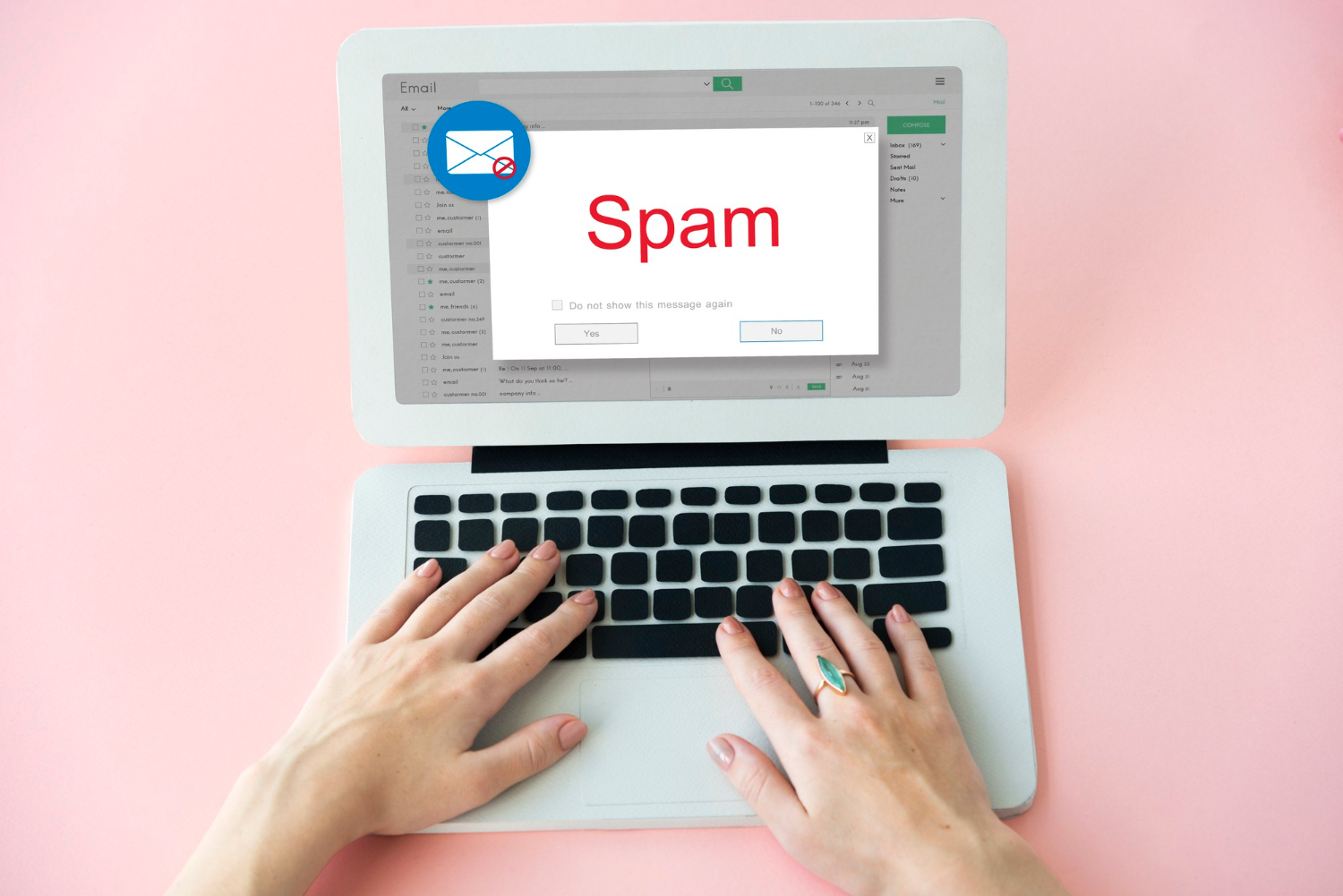
The spam folder – that place to which undesired emails are banished. This is exactly what the term “spam” refers to: e-mails that you don’t want to receive, which nonetheless keep finding their way into our inbox. Generally, the spam folder is a preset folder provided by the e-mail client, into which unsolicited e-mails are automatically moved with the help of anti-spam software. In fact, most of the time this sorting out works quite well.
(Deutsch) Wie kommt der Banking-Trojaner zu mir? Per E-Mail? NEIN: per SMS!
Social Engineering – or: How we get tricked
Sometimes you just can’t say “no”. When the fundraising rescue workers are at the front door or in the pre-Christmas season the opportunities to do a good deed one more time this year are increasing. Of course we are happy to help, for we are social beings after all. However, this humanitarian side of us is being exploited increasingly. Social engineering aims to motivate people to do things they would not do under normal circumstances. This manipulation occurs everywhere – digitally, as well as in the real world.

Source: Pixabay
Phishing – More Than Just a Sports Activity
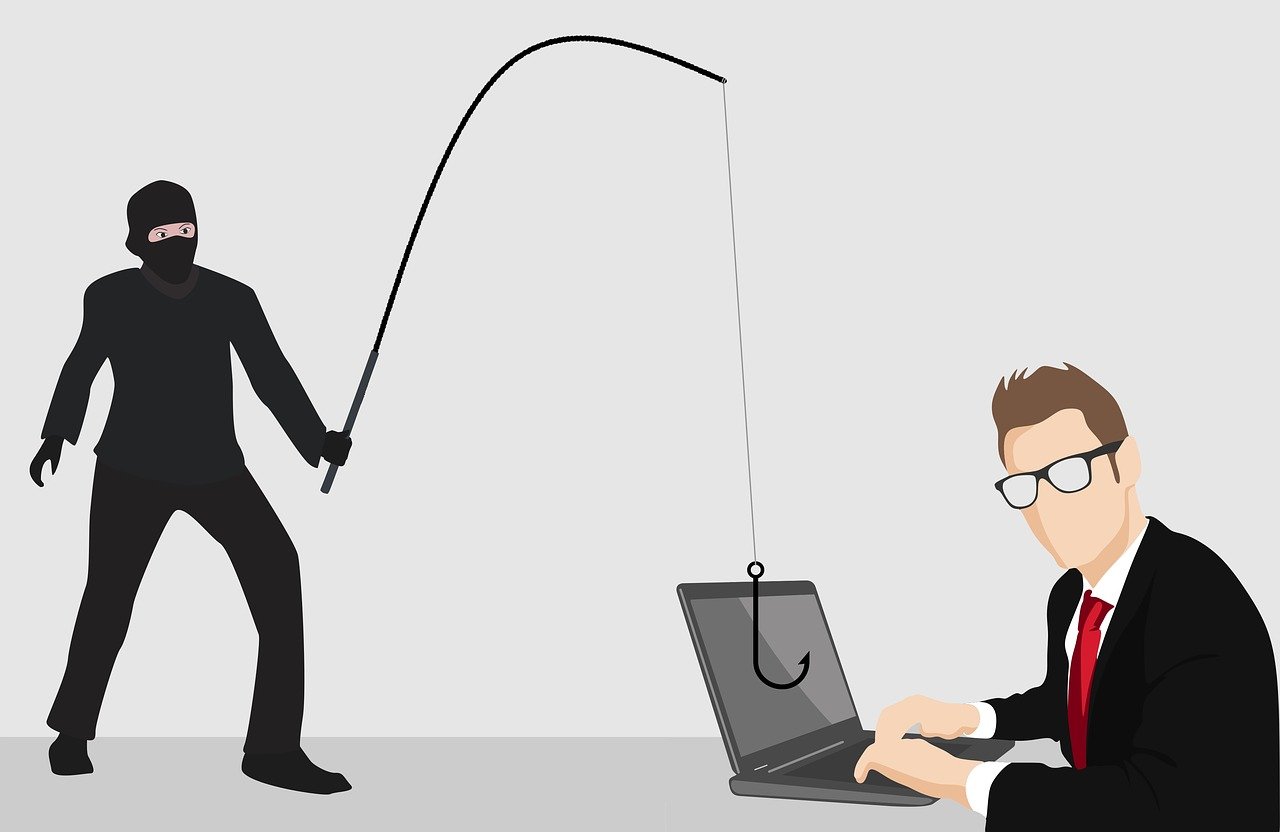
In order to understand phishing and the context of the problem in more detail, it is worth making an excursion into social engineering. Social engineering refers to the consideration of social needs (of people).
Source: Pixabay
Phishing Attack on RWTH E-Mail Accounts: Data Theft –Not with us!
Hardly a day goes by without the media reporting on data theft by phishing, Trojans and so forth. The RWTH Aachen University has also been attacked recently. Already for several months, our mailboxes have been flooded with SPAM mails. For us as IT provider of the RWTH Aachen University this means that we do not want to let you fall into the phishing traps and other similar dangers.
In this blog post, you will find everything you need to know to protect your data and mailboxes from phishing, so that data theft does not happen in the first place.