

Kategorie: ‘Fun & Facts’
The Printing Service at the IT Center Is Extending Its Hours!
Source: Own illustration
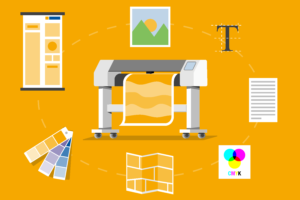
We have great news for you! Starting April 1, 2025, we are extending our hours: The printing service will be available Monday to Friday for RWTH institutions!
The ITSSM Department in Focus: IT Services & IT Security
Source: Alexander Müller
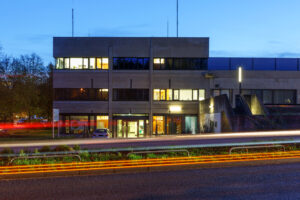
The IT Service & Security Management (ITSSM) department plays a key role in the establishment, control and further development of IT service management processes and security processes in the IT center. The processes support service provision, service operations, IT security, reporting and support. In the following blog post, we take a closer look at the department’s areas of work.
Blockchain Technology

Source: Freepik
Blockchain technology, often referred to simply as ‘blockchain’, is transforming the way data is stored and secured. Originally developed as the basis for cryptocurrencies such as Bitcoin, it has quickly developed into a versatile technology that is used in numerous industries.
In this blog post, you can find out how it all works and what applications there are in general.
Exmatriculation – What Then?

Source: Unsplash
The last exams have been written and the final thesis has been handed in – your studies are coming to an end. An era is ending and new paths are waiting for you, be it a job, further studies or other exciting challenges.
But what happens to the RWTH services that accompanied you during your studies? How long will you still have access to your accounts, documents and data?
Here you can find out what remains and what you should definitely do before exmatriculating.
The Beginnings of Computer Technology – Part 3

Source: Wikimedia Commons
In our previous post we explored the basic architecture of the Z3, now let’s look at the aspect that made the Z3 so special: the ability to program it freely. In this third, and final, part of this series, we will focus on how programs were entered and processed and what limitations existed. We will also take a look at the input and output methods to get a more comprehensive picture of how users interacted with the machine.
Tell-a-Fairy-Tale Day 2025

Source: Freepik
Today, February 26, is that time again: “Tell-a-Fairy-Tale Day” invites you to immerse yourself in the magical world of stories. This special day reminds us how powerful stories can be – and not just in storybooks, but also in the world of IT. They found their way into the digital world early on and still characterise gaming culture today. But how do fairy tales influence game development? And what parallels are there between classic narrative structures and modern games?
RWTH Aachen Reaches a Milestone: 125,000 E-Mail Accounts!
Source: Own illustration
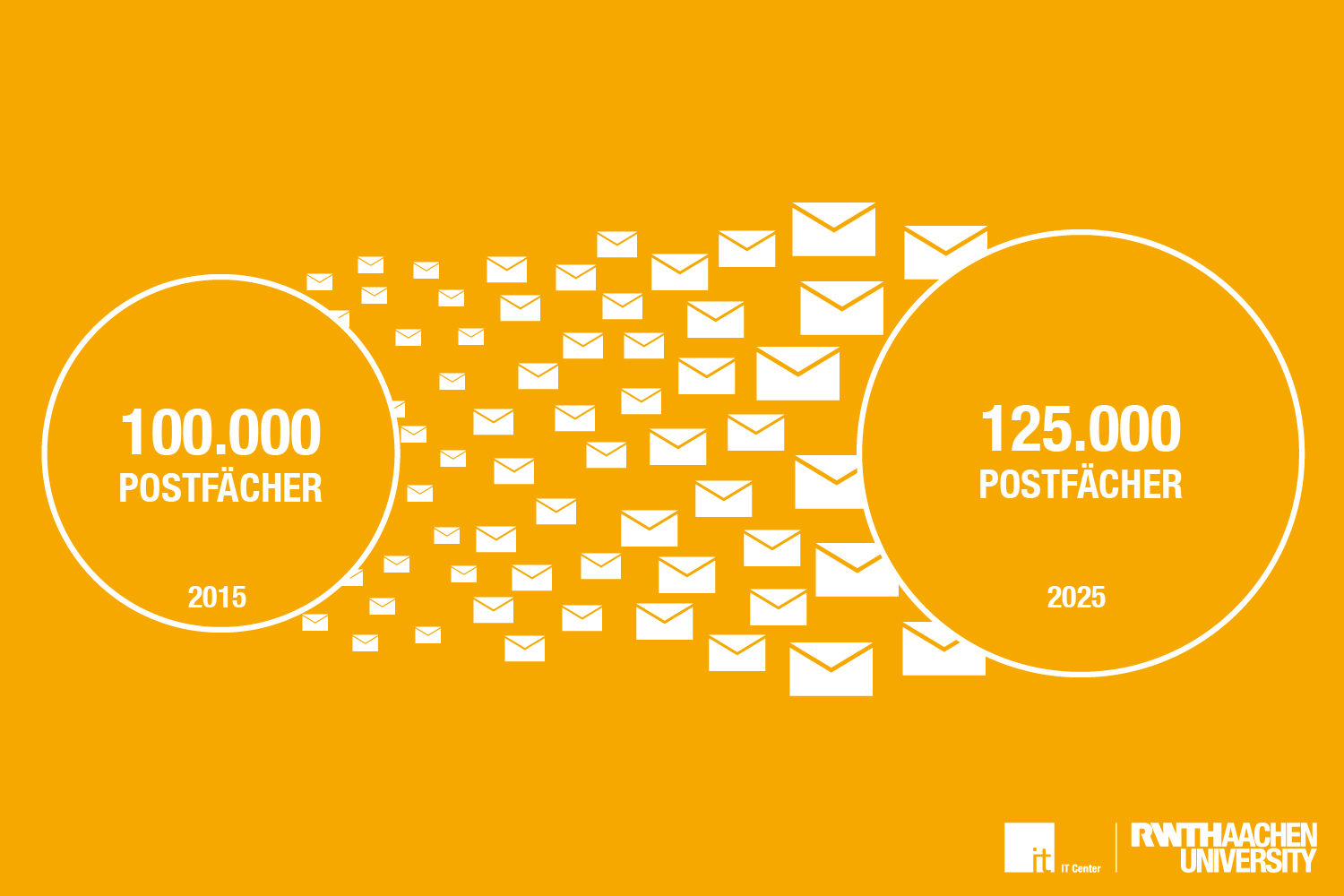
At the beginning of the year “2025”, which is a special year, which is a special year in a mathematical sense, because 2025 is the square number of the sum of 1 to 9, we are pleased to announce the launch of the 125,000th RWTH e-mail account! In this article, we take a look at the development of RWTH e-mail accounts and RWTH-e-mail domains over the last 10 years.
IT and Love: A Connection for Life

Source: Own Illustration
What do a stable IT infrastructure and a happy relationship have in common? More than you might think! Both IT and love are about trust, communication, regular maintenance and security. Last year, we looked at the link between IT security and romance – an article that showed how important it is to protect both our data and our hearts. This year, we take a look at how we can learn from the IT world for our relationships.
Which Browser Is the Most Secure?
Source: Safer Internet Day
To mark Safer Internet Day, we want to raise awareness of online safety and help you to better protect your digital environment. In an increasingly digitalized world where online security is becoming more and more important, choosing the right browser is a crucial step in protecting yourself from cybercrime and unwanted access. But which browser is the most secure? In this article, we have done some research and provide you with an overview of the most popular browsers and their security features. You can also read our previous article to find out more about internet security.
IT ServiceDesk: A Look Behind the Scenes

Source: Own Illustration
For many customers, IT support often looks like this: A click of a call or an email to the IT-ServiceDesk, and a short time later the problem is solved. But what happens behind the scenes to ensure that everything runs smoothly? In this blog post, we provide an insight into the varied day-to-day work of the IT-ServiceDesk.