

How can I recognize trustworthy websites?

Source: Pixabay
Surfing the Internet is part of our everyday lives. Both in our private lives and at work, we are using the World Wide Web. We visit websites to inform ourselves, to communicate and even to shop. In the process, data from your own device will automatically be transferred to the website you are visiting and vice versa. When surfing, you should therefore critically inspect every website you visit. Just like in the real world, there are safe places on the Internet and places that you should avoid for your own safety. Nevertheless, how can you judge a website correctly and how can you distinguish between a trustworthy and an untrustworthy website? The following criteria should help you! Read the rest of this entry »
Unmotivated during your work at home? Our top 5 tips to boost your motivation!

Source: Pixabay
Over the past year, much of the population has spent more time than usual in their own homes: lockdown, quarantine, homeschooling. Public life has been scaled down and working from home has become commonplace for many professionals. But how do you stay motivated in a home office? We asked our team and share our tips and tricks with you. Read the rest of this entry »
Onboarding – digital and with heart
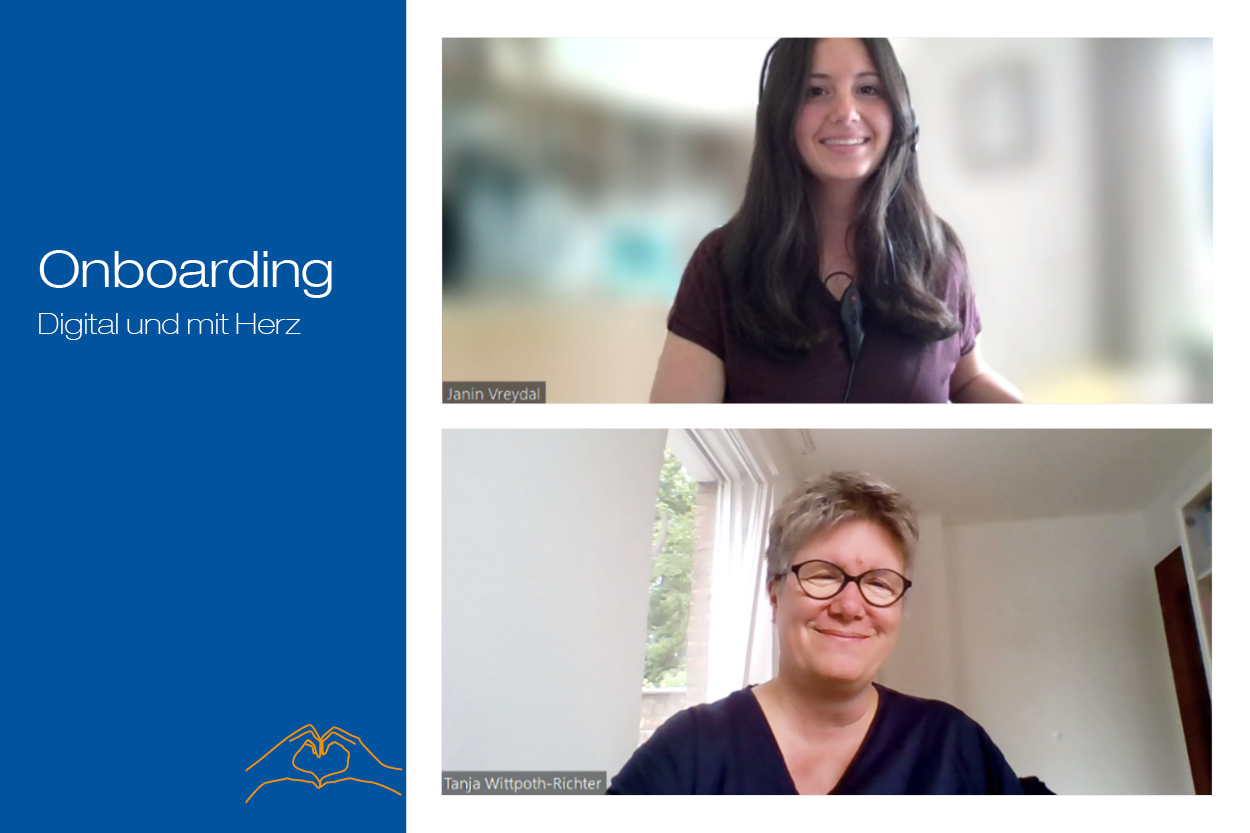
Tanja Wittpoth-Richter interview on digital job interviews
Source: Own illustration
Digital job interview – convince from home
Since last March, job interviews at the IT Center have been conducted digitally. Tanja Wittpoth-Richter has been group leader of the Marketing and Event Management group at the IT Center since August 2018. As an experienced manager, digital job interviews also mean a change for her, This is not always easy. Tanja tells us in this interview how she reacts to the new situation and is still able to judge whether the applicants fit into the team. Read the rest of this entry »
The GitLab Project LifeCycle goes into the second round

Source: Pixabay
GitLab is used at RWTH Aachen University with pleasure and actively. However, after projects have been processed, a lot of data often accumulates that is no longer used. To prevent a mountain of data waste from piling up in GitLab, a Project LifeCycle for RWTH was designed and introduced at the IT Center. In March 2021, it went live.
In the first few weeks, we received a number of suggestions and requests for adjustments to the process from users. So that these could be examined in detail by the responsible department, the GitLab Project LifeCycle was paused for the time being.
The review and revision phase has now been completed. In this article, we present the adjustments made with the help of the feedback.
Project Lecture Hall 4.0
Optimal teaching and learning experiences in the lecture halls

Photo: Martin Braun
The “Lecture Hall 4.0” project began in July 2019. The aim is to create technically modern equipment for lecture halls in a uniform manner, both in terms of equipment and operation. A support and maintenance concept is to be established as well. This will ensure that lecturers can be provided with support when working in the lecture hall.
For the winter semester 2020/2021, lecture halls at RWTH were equipped with new modern lecture hall PCs for media support for classes. The project focuses on optimizing the equipment inventory and the use of media technology. Read the rest of this entry »
The 1st RWTHjupyter Community Meeting

Photo: Pixabay
The first RWTHjupyter community meeting took place on July 23, 2021 – establishing the foundation for the exchange between users, developers and operators of this interactive computing platform. The advantage promised by the community is to promote the service together in the interplay of interests and to organize the exchange between the people involved.
Read the rest of this entry »
Exchanged! 5 tips to stay in touch in the home office

Essential even in HomeOffice – The cohesion in the team!
Source: Pixabay
In the meantime, all of us miss the personal togetherness on site in our professional lives. Whether it is simply working together with colleagues in the same room, lunch breaks together or a quick conversation with superiors. It is no longer a secret that there is not enough interaction in the home office. So that it doesn’t stay that way, we want to give you some suggestions for more efficient and effective communication in the home office!
The RWTH email address – your faithful companion to stay up to date

Source: Pixabay
To avoid chaos, in this article we summarize what the RWTH email address is and what else you need to keep in mind around it. Read the rest of this entry »
Onboarding – Digital and with heart

Michelle Kadansky during an Interview
Source: Own illustration
The digital job interview at the IT Center
Digital as the new normal: The current situation also poses new challenges for application processes. Job interviews at the IT Center have been taking place online since last year. Michelle Kadansky, HR Manager at the IT Center, told us in an interview the process of digital job interviews and how they differ from face-to-face interviews.
Founding of an association: Moodle an Hochschulen
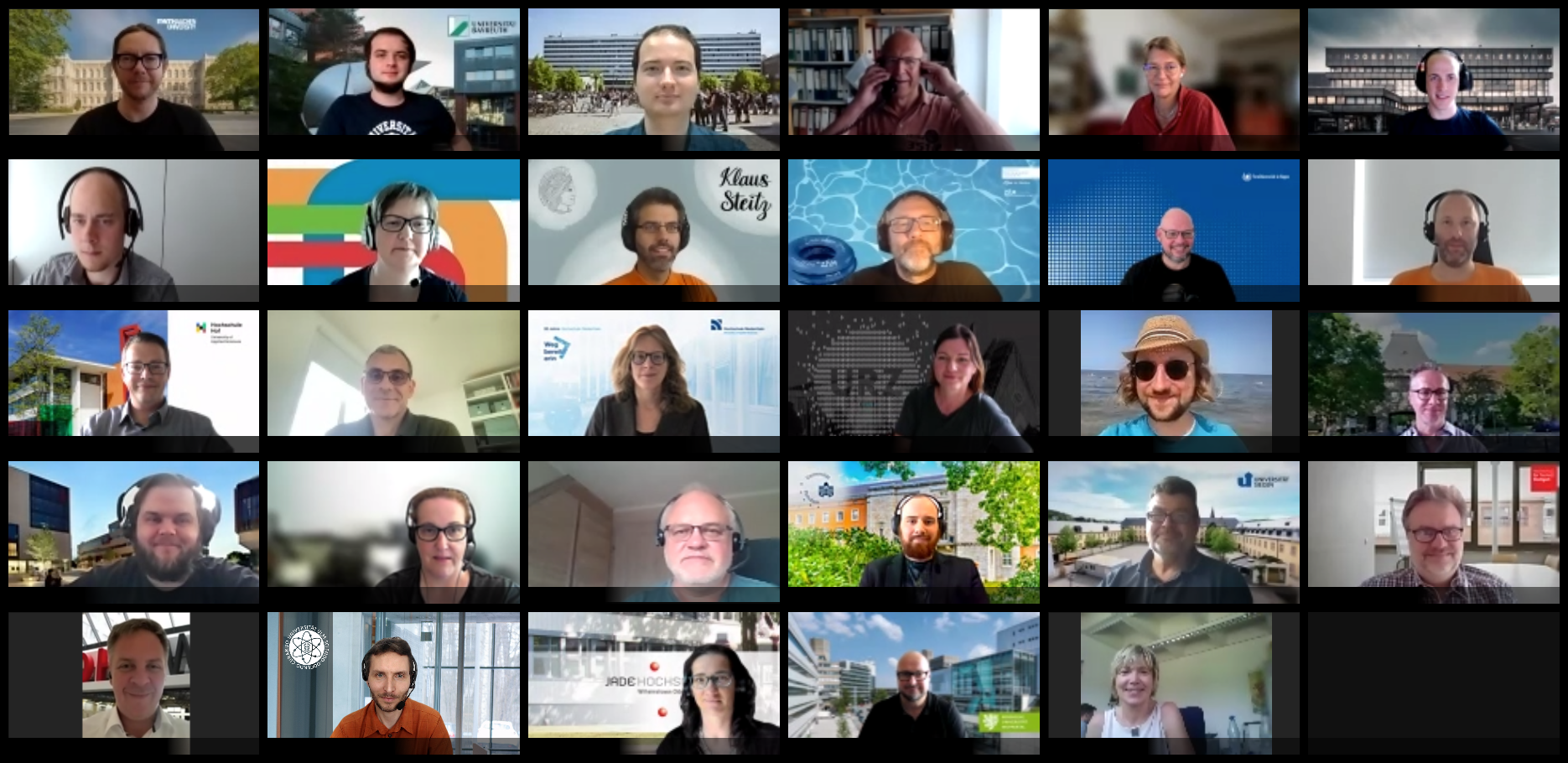
The Virtual Founding Meeting
Source: Own illustration
On July 22, 2021, the non-profit association “Moodle an Hochschulen” was founded during a video conference between 29 universities. With this foundation, a representation of interests for the digital education platform Moodle was created. Read the rest of this entry »